As we transition from fall to winter and the weather changes, many owners will begin spend more time indoors with their pets. Still, it’s important that they continue to keep their dogs mentally and physically stimulated during this time. Finding ways to keep pets entertained indoors shouldn’t be a challenge either; although space may be limited, the possibilities of providing a fun and engaging environment are not. Here are some great tips to share with your clients.
Whether a dog is a young pup, adult or a senior, there are several fun games and exercises that can be played inside to keep them active and happy. For example, practicing cues such as Sit, Stay, Leave-it, Heel, Shake or Rollover keep dogs mentally stimulated and ensure their performances stay on-point. Even training games, such as Stay-and-Recall from another room, can serve as simple, intellectual exercises dogs will enjoy.
Owners can take this a step further by playing hide-and-seek; they will love seeing the smile on their dog’s face when their hiding spot is finally revealed. Of course, no dog should have to work for free, which is owners need to make sure they have plenty of healthy treats on hand as rewards while playing “tricks for treats” games.
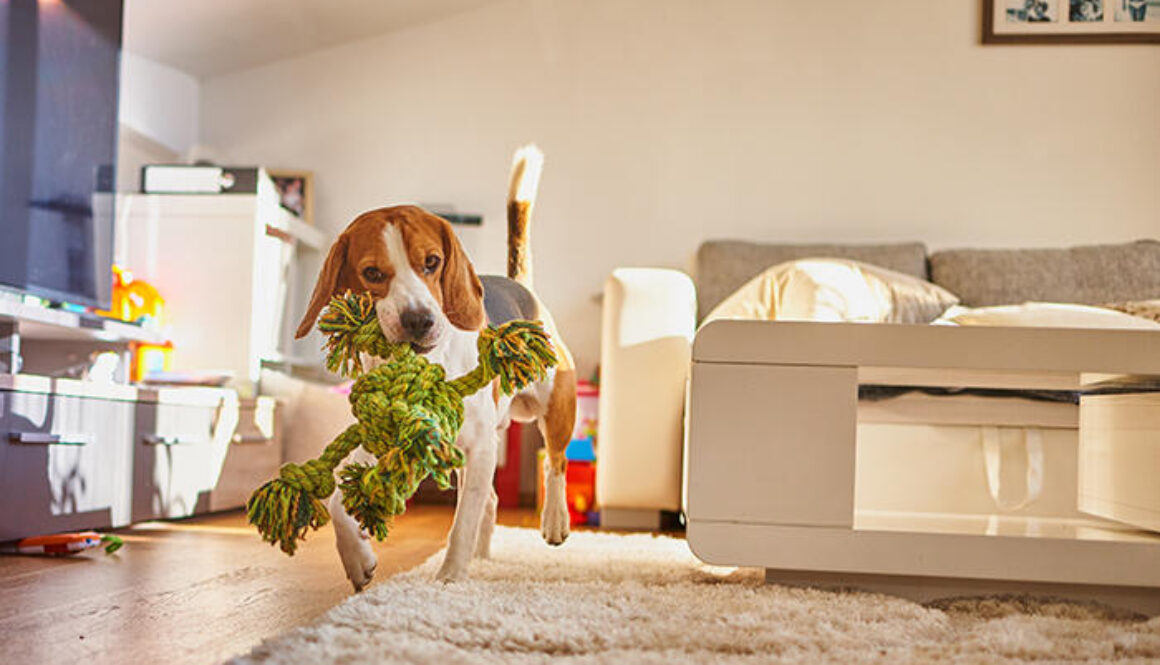
Another great way to prevent boredom and encourage brain stimulation is by providing dogs with interactive toys. There are several entertaining options, from puzzles to treat-dispensing balls, that dogs will find exciting to engage with. Seasonally appropriate treats, such as Charlee Bear’s Turkey Liver & Cranberries Original Crunch or Pumpkin Spice Bearnola Bites will add to the fun.
Owners can even create their own puzzles by using simple household items, such as putting treats on the floor and placing plastic or paper cups over them (image right). Placing treats inside a muffin tin or a disposable water bottle with strategic holes cut into it are other possibilities.
For owners who are looking for a way to keep their dog busy on his own, they can also fill a food-stuffable toy with pumpkin-flavored broth and freeze it overnight. This will keep their dog occupied and happy while they are on a company Zoom call or helping their kids with homework.
A bored dog will always find something to do. Sometimes, that something is unwanted behavior such as digging, chewing on furniture or barking. Luckily, there are plenty of simple boredom-alleviating strategies you can share with clients to help keep dogs happy, healthy and busy. Combining the lure of a snack with an activity that satisfies dogs’ instinctive needs helps keep them busy, such as providing them with a food-stuffed toy. And, by frequently changing what they but inside the toy, their dogs will be continually surprised and delighted by what they discover. There are many stuffing recipes on Kong’s website. Pick your favorite and share it with your clients via email or on social media. The website also has many recipe videos you can post.
You can also help your clients prevent canine boredom by having them plan ahead. They can stuff a few toys at the same time and then store them in the freezer. Frozen toys provide even longer bouts of instinct-satisfying fun. Keeping a few ready for when their dog starts looking for something to do, makes things easy as they only need to open the freezer door when boredom hits. Sniffing out treats then figuring out how to extract them from inside toys satisfies dogs’ natural hunting instincts. Your clients could hide their dog’s favorite toys and treats throughout their home, and then let him hunt for them down and enjoy. Don’t forget to remind them that their dog should not see them hide the toys and treats before starting a game of Find-it.
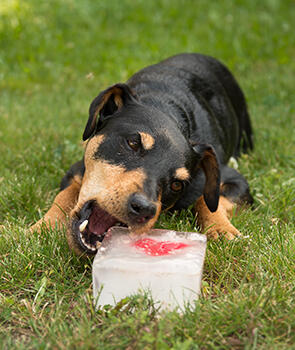
Dog owners also have an unlimited supply of something that can prevent canine boredom: water. Freezing treats within ice cubes and larger ice blocks is a fun activity for dogs. Plus, it helps keep them hydrated. Many dogs are thrilled with plain ice cubes, but adding kibble or treats to them makes the activity even more enticing and fun. Owners could even make a giant Kongsicle by placing a stuffed Kong in a water-filled storage container and freezing it (image right). This can keep dogs busy for hours. Remind pet owners who try this indoors to leave a towel or mat beneath the frozen puzzles to contain the melting water.
Another easy way your clients can keep things interesting for their dogs—without spending any money—is strategically parceling out their toys. Just as with people, many dogs enjoy variety. Providing just one or two toys at a time instead of having access to the entire collection helps keep dogs interested them. Toys that are not in use can be kept in a bin or basket so they are out of sight and smell. When it’s time to swap out toys and the dogs can select which one they want to play with next, adding another level of excitement to playtime.
Giving your clients with boredom-prevention strategies such as these not only helps them strengthen their bond with their dogs, it also helps reinforce their relationship with you as their go-to pet expert.
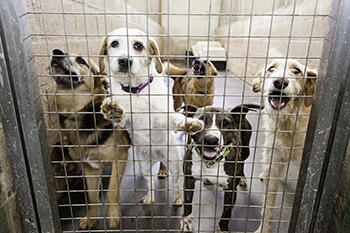
When people ask me what my favorite kind of dog is to groom, the answer is always, “a shelter dog.” I never have to think twice about it. I love, love, love to groom shelter dogs. These sweet souls have a way of finding the people who need them the most. I have found this to be true for the groomer as much as it is for the new owner of a shelter or rescue pet.
Usually, when I first meet a shelter dog, their chins are coated with slobber from nervous drool, they have chunks of disgusting dirt and debris all matted into their faces. Their eyes are crusty and sad, and their hind ends are compacted with poop so tight you can’t even begin to imagine how they are still able to go to the bathroom. Most of the time they are trembling because they are full of fear, so all I want to do is just hold them for a while despite the dirt and poo and matted hair.
My goal is always the same: To make their outsides match their already beautiful insides. Their souls are so special and I know this passion of mine was given to me for a reason and I am grateful beyond words. They are saved, but they save me back every time I groom one of them. They always touch my heart in some way and remind me that life is beautiful even when it’s in rough shape.
It’s not just about giving a dog a haircut. When I groom a shelter dog, I have to stop and take the time to really give my heart to them. To give them what they’ve never had. Sometimes I can actually feel that moment when their soul starts to breathe and their heart gets warm maybe for the first time. They take a deep breath and their whole body just rests in my arms. Their eyes stop guarding their insides and they give me this unthinkable vulnerability that allows me to see into their soul. Sometimes it makes me sad to see what I see.
But sometimes I get to see this playful, happy energy find its way out of them and that makes me laugh. But the best feeling is when they rest their head on my shoulder. That just gives my heart unimaginable warmth and peace. Very rarely do I get to know the ending of their journey through the system; where they end up or who they are with. I just trust and have faith that they are on an amazing path of happiness and I got to be one of the first stops along the way.
There are those times, however, I get to know everything about a rescue dog I meet. I’ll share the story of Sherman the Shih-Tzu. He had been abused, neglected and had not had such a great life before his current owner adopted him. It has been a challenge over the years to get to where we are today, but completely worth every stumble.
The very first time I met him; I placed him on my table and began to pet him. Up to that point, shelter dogs I had groomed had found it comforting to have their nose bridge massaged or gently caressed. Well, unfortunately for me, Sherman did not find this action so comforting. He came after my thumb in a flash with absolutely no warning and chomped down hard, showing absolutely no mercy. This taught me that Sherman was what I classify as a “fear biter.” Meaning anytime he felt afraid or vulnerable he was going to bite—fiercely.
I was humble enough to realize I probably missed some body language clue. So, I immediately knew I was going to have to focus on the subtle to learn how to read this dog. His biting my finger hurt immensely, but what hurt more was my heart. What had traumatized him so much that he couldn’t even allow himself the pleasure of a simple nose rub? I would never know. But in that moment, I made it my mission to show him the love and compassion he was going to need to overcome his past.
His face had debris clumped into his hair by his mouth and in between his eyes. After he bit me, I decided grooming him in any sort of fashion was not going to happen that day, so his face was going to stay dirty until the next appointment. Instead, I spent my time with him trying to learn how to read him. I had put my table down as low as it would go, so I could sit at his level while he was on it. I was very careful not to make eye contact. If he happened to look at me I would look away but keep talking to him in a friendly and comforting voice. Slow and calm, no high-pitched excited puppy talk for this guy. He allowed me to slowly pet his back, but he watched my hand movements.
A few minutes passed before I saw something. A quick lick of the lips coupled with an intense sudden rigidness to his body. I missed it before because I wasn’t focused on his whole body and I had been standing above him looking down instead of directly at his face. I immediately stopped petting him. He still had his leash and harness on so I stood up and allowed him to jump off my table, which was lowered close to the floor. Then we just went on a walk.
I had come in on my day off for his appointment because I knew it was going take a lot of time patience to bring him to the other side of his fear with me. We went back inside, and I carefully picked him up and put him on my table. I sat down with him again and began to pet him. This time I only did this for about 30 seconds. I wanted to stop before he got uncomfortable. Then I let him jump down again and we went on another short walk. That was it; I called his owner to come and pick him up and we scheduled his next appointment.
The next time I saw him, I discussed with his owner my appointment plan action. I described what I would do to desensitize Sherman to the grooming equipment. I advised him that I would have to use a muzzle at first for my protection and Sherman’s. The last thing I wanted was for Sherman to bite my clippers or shears and endure a tongue or mouth injury.
The owner understood and was on board. There are proper ways to use a muzzle that can actually relieve anxiety in a dog, thus allowing the groomer to be more at ease as well. I also let the owner know Sherman was going to get a bath, but his head and face were not going to be washed until I had achieved the level of mutual trust needed to accomplish that.
It took about 2 years before I could wash his face completely. Meaning, getting all the debris and eye boogies out instead of having to shave it out after the bath. We gradually made it out of the muzzle after a year of just trimming his face around it as best I could. We spent a lot of time together on the face work. Him learning and me teaching—and me learning and him teaching. Scissoring had to be done slowly but deliberately. I was able to keep the muzzle loose enough that I could pull it forward and shave in between his eyes. All scissor work in the beginning was minimal. I needed to keep our sessions fluid and timely to keep agitation in check for the both of us, His haircuts in the beginning weren’t that great, but I was OK with that and so was his owner. The important thing was that I was determined to see progress every time. And I did.
I am still careful to be on guard for signs he is preparing to bite. With dogs like Sherman, you can’t take that out of them, you have to manage the situation and stop it before it happens. Paying attention, experience, patience and understanding are the best teachers when it comes to learning if you can keep pushing a dog or if you need to back off. I am proud and grateful to say Sherman and I have a bond today. There is no muzzle in the picture anymore and he is to the point where I can do everything I need to do to give him his best look. He lies down and sighs into relaxation when I’m trimming his face today. We’ve been in a relationship for 5 years now and it has taken every bit of that time together to get to where we are today.
Grooming shelter or rescue dogs isn’t for everyone. It takes a next level sort of patience, compassion, and determination. I always make it my mission to not give up on them. I will always do what I can to help them when it comes to their grooming needs. Sometimes we don’t get very far, but we do make progress and to me, that’s what matters. But in the cases like Sherman, you get to experience and amazing victory over fear and gain an incredible bond with a dog that adds a special source of strength in your heart.
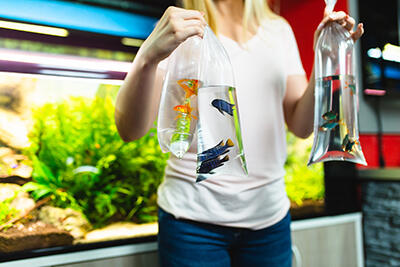
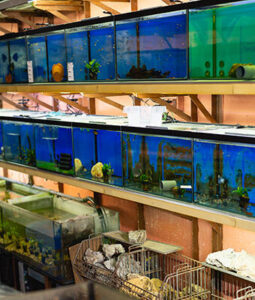
As with many service-based professions, one of the greatest challenges new aquarium maintenance providers face is finding and acquiring clients. This is why establishing great working relationships with local, independent aquatic retailers is often essential. Few others can offer you greater access to potential clients. While you also need to engage with local aquarium clubs and create a strong social media presence, connecting with a local retailer is your best bet for directly finding clients.
Before suggesting a business relationship with any local fish store, you need to be a regular customer first. Get to know the staff by talking with them, asking for their advice and listening to their opinions. Make a point of purchasing livestock and supplies from them. Prove your interest by finding out when they have livestock shipments coming in, and then show up on those days to check out the new offerings.
Almost all independent pet stores that specialize in fish are run and staffed by dedicated aquarists. They can tell when someone is serious about the hobby. Share your interest to show that you are dedicated hobbyist with the same passion for fish. When it comes to any hobby, people with passion often seek each other out. This provides a great basis for eventually building a business relationship.
Understand the Competition
Many local fish stores no longer solely rely on high-margin dry goods sales; a large percentage now depend on revenue from maintenance clients. As such, some stores might see you and your business as direct competition. However, these same retailers might have various challenges that you can help them resolve.
For starters, their staff size and expertise could limit the number of clients they can serve. Independent pet retailers have to focus on running a brick-and-mortar retail location at the same time they are trying to serve off-site maintenance clients’ needs. This is where your opportunity lies. Let the store owners know that you aren’t their competition. Instead, you can help them solve their problem by providing them with a percentage for every client they refer to you, and also grow store revenue when you refer clients back to them for purchases.
Demonstrate Mutual Benefits
Once you have built a strong relationship, the next step is to provide ongoing cooperation and support. In other words, don’t abandon your local fish store once you’ve acquired several clients. Instead, make a point of referring your clients to the store for purchases—and continue to buy from them directly. Doing so shows you are serious about continuing your relationship. This helps support the store as well as the local hobby, which is good for everyone. Also, staying in your local fish store’s good graces means you are more likely to benefit from continued referrals and positive word-of-mouth.
You should never build a relationship, only to take off with clients once your business is established. This is a good way to engender animosity. Poor reviews from local fish stores might turn hobbyists off of your services, and many of them are also going to be active in the local aquarium scene. By maintaining good relations, you won’t have to worry about this. Instead, you can focus on growing your business and helping your local fish store stay solvent at the same time.
Show Your Dependability
Many local fish stores have a hard time retaining quality, trustworthy service personnel. If you build your reputation for consistent service, you will prove to them that you are reliable and offer ongoing value to everyone you do business with. For a local store owner, this alone can make you far more valuable as a partner. Instead of seeing you as a competitor, help them see that you are actually building the store’s reputation at the same time you are solving its labor problem. Once you do this, you go from being a potential problem for local fish stores to a desirable solution. Store owners are happy, their customers are happy, your clients are happy, and your business continues to grow.
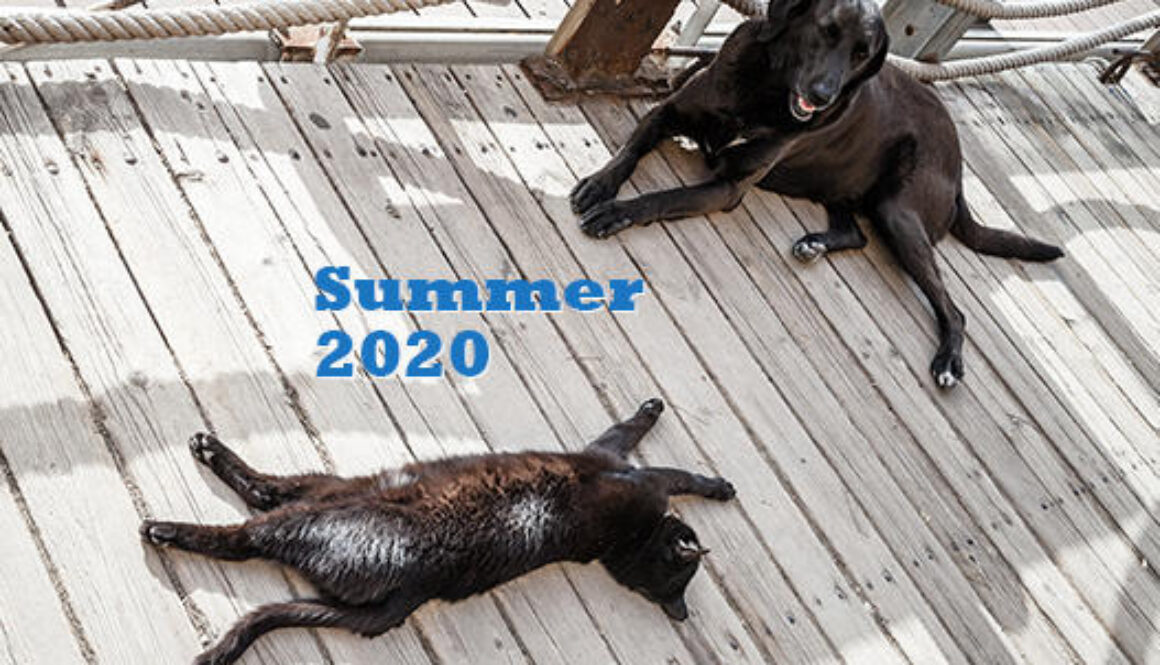
I hope everyone is safe and healthy. Here’s what’s going on this summer at ABC. The COVID-19 roller coaster continues. When I reported last, we had successfully transitioned our corporate offices to remote in late March. At that juncture. we had temporarily suspended most externships and were waiting to see when things would open back up—and be able to remain open.
Of our five programs, four of them consist of 81 percent home study and 19 percent externships and/or shelter work, so the vast majority of students can continue from the safety of their homes. The fifth and newest program, Aquarium Maintenance, is 100 percent home study and not affected by any of this.
Fortunately, we have been able to place almost all students in externships with minimal and in many cases no delays. In truth, given the craziness of the past five months, many students are only too happy to stay close to home and do not mind what is at worst a temporary delay in their scheduled externship.
One interesting note is that new enrollments are up this year; this was not a complete surprise. We know that in times of economic uncertainty, such as the 2008 recession, enrollments increase as people look for new opportunities, particularly in the pet industry. However, because this coronavirus pandemic is so unusual, we were not sure what to expect.
This leads me to remind everyone about ABC’s Refer-a-Friend offer. Any ABC graduate who refers someone who then enrolls an ABC main program (Dog Obedience, Veterinary Assistant, Grooming Instruction, Cat Training or Aquarium Maintenance) will be awarded $100. Some restrictions apply; for example, enrollees must complete at least five stages of their program in order for the referrer to be awarded. We are also considering offering the Refer-a-Friend program to mentors. If you are a mentor and would like to participate, please email me (topdawg@animalbehaviorcollege.com) to let me know. Refer a Friend is even more generous for classroom enrollment referrals.
We offer Dog Obedience In-classroom Program at our Santa Clarita location twice a year. We recently graduated our final class for 2020, and the next session is scheduled to start in January 2021. Class sizes are small, typically no more than six to nine students, and social distancing is maintained. In addition, about 90 percent of these classes are comprised of veterans who are transitioning back into civilian life. This program is very near and dear to my heart; I meet every student and always give presentations on business building to every class. Graduates who refer someone to this class will be awarded $300.
Next, I want to talk a little about our Cat Training Program, which every dog trainer should consider taking. Why? Consider the numbers. More than 42 million households in the U.S. and 4.7 million in Canada own cats. And in the U.S., 58 percent of those cat-owning households also have dogs. This not only increases your opportunities to help more animals find forever homes, it also can help grow your business. One of the ways you can build your business is to stand out from the competition. Because there are far fewer cat trainers, those who have this skill will stand out from those dog trainers who do not.
For example ,dog trainers who also work with cats will likely enhance their ability to partner with and/or receive referrals from veterinary facilities. Being able to train cats to accept going into a carrier and remain calm is a skill many in the veterinary community will appreciate; they know this is serious issue with many owners. As you know, offering something beneficial to those you want establish a business relationship with is essential. Those who also train cats have this advantage. I highly recommend this program to anyone with an interest in building their business.
In other ABC news, barring invasions from space or the zombie apocalypse, we hope to launch the Zookeeper Assistant Program (ZAP) in October 2020. We are very excited about this course. There has been great interest in ZAP since we started talking about it and working on its development nearly 2 years ago.
Lastly, if you are an employer looking for a certified dog trainer, cat trainer, pet groomer veterinary assistant or aquarium specialist, be sure to post your open position(s) on our website’s job board. You can post as many as you want as often as you need to for free.
*Note: Active students may earn a referral gift card valued at $100, 1 referral per year.
Sources: 2019-2020 APPA National Pet Owners Survey; Canadian Animal Health Institute/de l’Institut Canadien de la Santé Animale
Setting policies and procedures for both employees and clients is important for the successful daily operation of any business. They establish what you want to happen, how it should happen and help you create the reputation you desire.
Although it might seem daunting to put policies on paper, the benefits far outweigh the pain of creating them. Just understand that when starting out, your policies might change as you discover what works best for your salon—and that’s OK.
The following gives you an idea of what policies and procedures to create. I recommend seeking legal advice to ensure you’re fully aware of everything for which your business is held legally responsible.
Define YourMission
Every business needs a mission statement that will guide all its activities. For example, your mission might be to create the best customer service while establishing a safe and healthy environment for employees and clients. Your policies would then support this mission.
Employee Policies
After you’ve defined your mission, a good first step in creating employee policies is to create job descriptions and personnel policies, such as hours, time off, vacation time and sick leave. Conduct and behavior policies like theft, appearance, misconduct and how they’re handled can follow. I’d also recommend including emergency procedures, and health and safety policies. It’s a new world out there and cleaning and disinfection are more important than ever.
Something to keep in mind is that employee policies don’t have to mimic rules. Creating encouraging policies can help foster a positive morale. For example, instead of calling your list of policies and procedures an Employee Handbook, you could call it Our Team Handbook.
Once your policies are on paper, it might be intimidating to introduce these to existing employees. To help ease the transition, I recommend scheduling individual meetings and going over the handbook one-on-one. They might even have a few good ideas or suggestions for you.
Client Policies
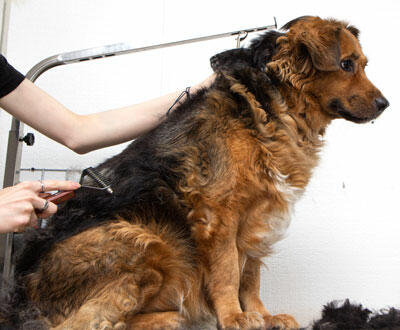
Creating client policies can be tricky but knowing what you’re legally responsible for can help you get started. Here are a few examples of client policies I’d recommend implementing in any grooming salon.
Keep updated client information: Every January, I update all client information, including phone numbers, the age of the pet and any new health or medical information to ensure proper preparation for all clients.
Cancellation fees: My salon started to charge clients a fee if they cancelled or didn’t show up for more than three appointments. If someone is 30 minutes late or more, they might be asked to reschedule or to be put on an appointment at the end of the day.
Matted Pet Release form: Requiring clients to sign a Matted Pet Release form protects your business from being held accountable for potential repercussions from shave downs (nicks or skin irritations) when the condition of the pet’s coat was poor (image right).
Senior Pet Release form: This is another form that I’d recommend requiring all clients to sign if their pet is over 12 years old. It protects your business from being held responsible for any latent (dormant) physical conditions that might arise in a pet if they become stressed from a grooming session.
At the end of the day, your employee and client policies and procedures will help you run a successful business that benefits you, your team, your customers, and of course, the pets.
As many people continue to spend more time at home, they are looking for ways to add fun and variety to their routine. They are taking up a variety new activities they can all enjoy together, from bake-offs and backyard camping to tie-dyeing and…training the dog.
Training the dog—a family activity? Granted, this is not typically regarded as a family endeavor; usually, one person takes the dog to an obedience class or assumes responsibility for teaching basic cues. However, family-style dog training can be fun and rewarding, and there are benefits to having all household members participate in Fido’s schooling, even kids as young as 4 or 5.
Why It Is a Good Idea
When the whole family trains a dog, he is taught to obey everyone in his immediate surroundings, not just one person who has been primarily working with him. Another benefit of family training is that it gets everyone on the same page about what types of behavior are and are not acceptable. This consistency makes the entire training process run smoothly. For example, if one owner or sibling scolds the pup whenever she jumps on the couch, and another rubs her belly or gives her food (image right), she is going to wind up confused and less likely to obey cues in general.
Along with creating a better-behaved dog, the group approach to training offers benefits to human family members. Kids who have hands-on involvement in training learn to take responsibility for their pets and develop new skills that will boost their confidence, which can be valuable in other areas of life. Young and older family members alike will enjoy strengthening their bond not only with their furry friends but also with each other.
Professional dog trainers can do their clients an excellent service by showing them how to involve the whole family in the training process. The trainer can demonstrate how even pre-school aged children can be taught training skills, and can recommend that families include everyone in their pet’s daily care regimen by assigning age-appropriate tasks to each member (filling the water bowl, etc.). She can suggest that families agree on guidelines about the types of behaviors that are off-limits, such as jumping on the furniture or begging at the table. Trainers should also make sure to stress to owners that they should never leave a child under ten alone with a dog.
Start With the Basics
Under adult supervision, kids can learn how to teach basic dog cues through positive reinforcement. With their parents’ assistance—and some tasty treats—kids can train their dogs to perform useful behaviors such as Sit, Lie Down and Stay. Owners should make sure the motor and cognitive skills involved in teaching any cue are age appropriate. Most kids become enthralled by the magic of dog training—of being able to “talk” to their dog and have him understand and respond to their requests.
Training Games
Once a dog has learned basic cues, there are games the family can play to reinforce the training. Hide-n-seek is a game kids love and is perfect for strengthening a dog’s recall. Most dogs will enjoy playfully searching for and finding for a family member, especially when there are tasty treats as a reward for doing so. And kids will like getting creative in their choice of hiding places—under beds, behind closet garments, in the bathtub, etc.
Family Circle is another fun recall game. Family members get in a circle and one of them tells their dog to Sit and Stay in the center. One person says the dog’s name and then the cue “Come.” When the dog goes over to her, she rewards him. The other family members then take turns repeating the process. This game is great for outdoors, allowing the distance and configuration of family members to be increased and changed, making it more difficult for the dog to locate the caller. Family Circle teaches a dog to turn away from something he finds pleasurable (in this case, someone who is just given him a tasty treat) and go to whomever is calling him. This obedience skill is extremely valuable in real-life situations.
Use High-value Rewards
The key to successful training, for kids and adults alike, is having mouthwatering treats that will motivate a dog to perform the desired behaviors. Our Crazy Dog Train-Me! Mini Training Rewards are used and recommended by leading professional trainers nationwide because they have an aroma and flavor that canines find irresistible. Available in Bacon, Beef and Chicken flavors, the treats help speed up the training process because dogs will happily learn cues to get such delicious rewards.
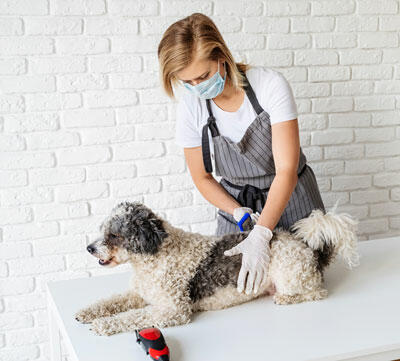
As most grooming shops, mobile groomers and at-home businesses are opening back up again after the COVID-19 shutdowns, it is imperative to keep our places of business safe not only for our customers, but also ourselves and our employees. This is a great time to set guidelines if you do not yet have them in place. Hopefully you followed some type of protocol already prior to the pandemic, if not, this will get you started.
It’s important to adhere to your state, county and city legal requirements; there are many online resources available for you to follow. Be sure to look at local guidelines or laws regarding wearing facemasks and/or gloves. The U.S. Centers for Disease Control and Prevention website is a comprehensive resource worth looking at for reopening and continued safety.
Steps for social distancing and stopping the spread at your shop are as follows.
PetDropOff:Safety is of utmost importance here. There are a few social-distancing options that you can incorporate into your new routine. If you have an outside fenced-in area, you can place a crate or pen inside it as an extra precaution where the owner can drop off the dog. The owner will take the leash and collar with them. Once the owner has left, you can get the dog out of the enclosure with your own slip lead. I do not recommend putting a crate in a non-fenced area as that can lead to dogs escaping during drop-off. Another option is to have a designated area inside your location with a crate or pen in the lobby. The owner will drop off the dog in the crate or pen and once the they haves left the building, you can safely retrieve the dog. For pick up, just reverse those steps. You can also take payment online, over the phone or have a place for them to leave the check or cash. Communication with clients is essential as a new system will take time to get used to.
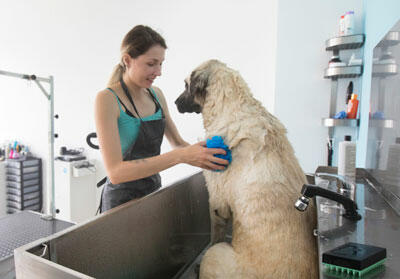
Bathing and Grooming: Unless a dog is totally matted or going from very long to very short hair, I always recommend taking pets directly to the tub to avoid any cross contamination. Plus, bathing first helps to greatly reduce the amount of wear and tear on your clippers and blades when working on dirty coats.
Salon Sanitation: You will be cleaning more than you ever have before; this is going to take more time and effort—and possibly more staff. Be prepared for all the extra work coming in and getting through the post COVID-19 grooms by making sure you have enough staff on hand. There are a few good disinfectants that kill the virus, so make sure you read labels thoroughly and train your staff on how to use these products. I recommend basic salon disinfection: cleaning surfaces, such as counters, grooming tables, tubs and doors after each client. Cleaning floors and high-contact spots, such as door handles and phones, multiple times a day is a good idea. Stress the importance of frequent handwashing with your staff.
ToolSanitation: All tools should be sanitized and disinfected after every single groom—no exceptions! Clippers, blades and attachment combs should be brushed free of all hair and debris and sanitized; blades should also be oiled after each pet. This practice should always be used, COVID-19 or not. Again, we want to keep our tools of the trade in tip-top shape as they are our money-makers.
For more information check out the Andis Grooming College website for grooming education, tool care, maintenance tips and videos at andisgroomingcollege.com. Investigate your state associations, as of late, many states have formed their own grooming associations and have the knowledge and guidelines for your area (many can be found on Facebook). Another good resource to check out is the National Alliance of Grooming Associations at www.NAGA.pet.
Rating A+ The BBB only accredits the business management of a school, not the quality of the curriculum, or training programs.
STATE LICENSURE AND APPROVAL
Animal Behavior College is a private vocational school approved by the Bureau for Private Postsecondary Education (www.bppe.ca.gov) under the California Private Postsecondary Education Act of 2009 and Title 5. California Code of Regulations Division 7.5. Private Postsecondary Education. The Bureau for Private Postsecondary Education approval means that this institution and its operation comply with the standards established under the law for occupational instruction by private postsecondary educational institutions. Institutional approval is subject to continual review and the institution must reapply for approval every five years.
DISCLAIMER
Please be advised that Animal Behavior College (“ABC”) is the exclusive entity authorized to provide certifications and/or degrees from Animal Behavior College. Moreover, such certifications and/or degrees are only conferred by ABC following a student’s completion of an ABC-administered program. No other entity or individual has authority to confer certifications and/or degrees on ABC’s behalf. Any other entity or individual who attempts to do so is acting without express or implied authority from ABC.
GI BILL® TRADEMARK ATTRIBUTION
GI Bill® is a registered trademark of the U.S. Department of Veterans Affairs (VA). More information about education benefits offered by VA is available at the official U.S. government Web site at https://www.benefits.va.gov/gibill
Animal Behavior College, 27509 Avenue Hopkins, Santa Clarita CA 91355-3910 Contact Us

 Another great way to prevent boredom and encourage brain stimulation is by providing dogs with interactive toys. There are several entertaining options, from puzzles to treat-dispensing balls, that dogs will find exciting to engage with. Seasonally appropriate treats, such as Charlee Bear’s Turkey Liver & Cranberries Original Crunch or Pumpkin Spice Bearnola Bites will add to the fun.


 Dog owners also have an unlimited supply of something that can prevent canine boredom: water. Freezing treats within ice cubes and larger ice blocks is a fun activity for dogs. Plus, it helps keep them hydrated. Many dogs are thrilled with plain ice cubes, but adding kibble or treats to them makes the activity even more enticing and fun. Owners could even make a giant Kongsicle by placing a stuffed Kong in a water-filled storage container and freezing it (image right). This can keep dogs busy for hours. Remind pet owners who try this indoors to leave a towel or mat beneath the frozen puzzles to contain the melting water.

 When people ask me what my favorite kind of dog is to groom, the answer is always, “a shelter dog.” I never have to think twice about it. I love, love, love to groom shelter dogs. These sweet souls have a way of finding the people who need them the most. I have found this to be true for the groomer as much as it is for the new owner of a shelter or rescue pet.
 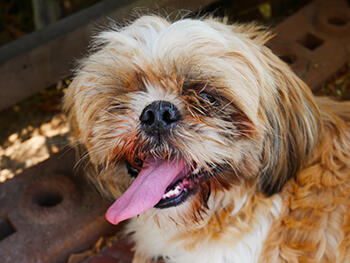 There are those times, however, I get to know everything about a rescue dog I meet. I’ll share the story of Sherman the Shih-Tzu. He had been abused, neglected and had not had such a great life before his current owner adopted him. It has been a challenge over the years to get to where we are today, but completely worth every stumble.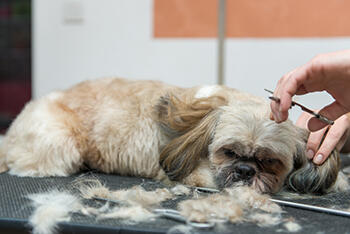


 Understand the Competition
 Demonstrate Mutual Benefits






 I hope everyone is safe and healthy. Here’s what’s going on this summer at ABC. The COVID-19 roller coaster continues. When I reported last, we had successfully transitioned our corporate offices to remote in late March. At that juncture. we had temporarily suspended most externships and were waiting to see when things would open back up—and be able to remain open.

 Setting policies and procedures for both employees and clients is important for the successful daily operation of any business. They establish what you want to happen, how it should happen and help you create the reputation you desire.
  After you’ve defined your mission, a good first step in creating employee policies is to create job descriptions and personnel policies, such as hours, time off, vacation time and sick leave. Conduct and behavior policies like theft, appearance, misconduct and how they’re handled can follow. I’d also recommend including emergency procedures, and health and safety policies. It’s a new world out there and cleaning and disinfection are more important than ever.
  Creating client policies can be tricky but knowing what you’re legally responsible for can help you get started. Here are a few examples of client policies I’d recommend implementing in any grooming salon.
 As many people continue to spend more time at home, they are looking for ways to add fun and variety to their routine. They are taking up a variety new activities they can all enjoy together, from bake-offs and backyard camping to tie-dyeing and…training the dog.
  When the whole family trains a dog, he is taught to obey everyone in his immediate surroundings, not just one person who has been primarily working with him. Another benefit of family training is that it gets everyone on the same page about what types of behavior are and are not acceptable. This consistency makes the entire training process run smoothly. For example, if one owner or sibling scolds the pup whenever she jumps on the couch, and another rubs her belly or gives her food (image right), she is going to wind up confused and less likely to obey cues in general.
  Start With the Basics
 Use High-value Rewards

 As most grooming shops, mobile groomers and at-home businesses are opening back up again after the COVID-19 shutdowns, it is imperative to keep our places of business safe not only for our customers, but also ourselves and our employees. This is a great time to set guidelines if you do not yet have them in place. Hopefully you followed some type of protocol already prior to the pandemic, if not, this will get you started.
  Bathing and Grooming: Unless a dog is totally matted or going from very long to very short hair, I always recommend taking pets directly to the tub to avoid any cross contamination. Plus, bathing first helps to greatly reduce the amount of wear and tear on your clippers and blades when working on dirty coats.

