

The Perils of Chocolate & Pets
Always keep the tempting sweets away from your dogs and cats.

©gsk2013/Adobe Stock
The weeks before and after Easter are typically drenched in chocolate. And those fun-looking baskets filled with intriguingly shaped (and scented) candies can be an irresistible temptation for curious dogs. Cats could also discover that those foil-wrapped eggs make excellent toys.
The guilty look and doleful eyes aside, such an escapade can be very harmful to your dog—and cat.
Chocolate is poisonous to dogs and cats; although your cat is less likely to be interested in the chocolate and probably more fixated by the nesting material that cushions it or the challenge of squeezing into the basket.
Chocolate contains theobromine a naturally occurring chemical compound found in the cacao plant from which all chocolate products are made. Humans can metabolize theobromine with no ill effects that comes from eating too many chocolates. Dog process the compound at a much slower rate which means its toxicity levels will build up in their system.

©vvvita/Adobe Stock
The first sign of chocolate toxicity is hyperactivity, similar to a sugar rush in children. Other initial symptoms include vomiting and even diarrhea. Depending on the amount consumed, theobromine can produce muscle tremors, full-on seizures, an irregular heartbeat and internal bleeding, and can ultimately be fatal.
Larger breeds can tolerate larger amounts of chocolate than a smaller dog. But as little as a single ounce of a dark chocolate could kill a 45-lb. dog. It’s important to note that some cacao and chocolate products are more toxic than others. All cooking/baking chocolate, cocoa powder and dark chocolate contain the highest levels of theobromine. Milk chocolate and white chocolate have the lowest quantities.
Any indication that something is amiss with your dog (or cat) must be taken very seriously; get to a veterinarian immediately. Because it can difficult to get a vomiting dog into your vehicle, you should always have ready access to a pet poison hotline. Pet Poison Helpline: 855-764-7661; ASPCA Animal Poison Control Center: 888-426-4435. They charge for a call but it is certainly well worth it to have a professional guide help you and your pet.

©iofoto/Adobe Stock
If your dog isn’t vomiting, your vet or poison control center specialist might advise you to induce vomiting by using 3 percent hydrogen peroxide. The dosage is dependent on your dog’s weight; typically, it’s 1 teaspoon per 10 lb. It’s always a good idea to keep a bottle of hydrogen peroxide at home as it has many uses. Also keep a veterinary syringe handy to get the solution down your dog’s throat. Do not try this without the advice of a veterinary professional first. And keep those chocolates for yourself!




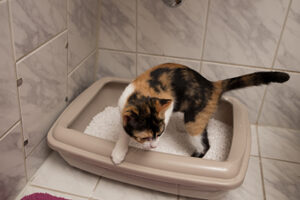

















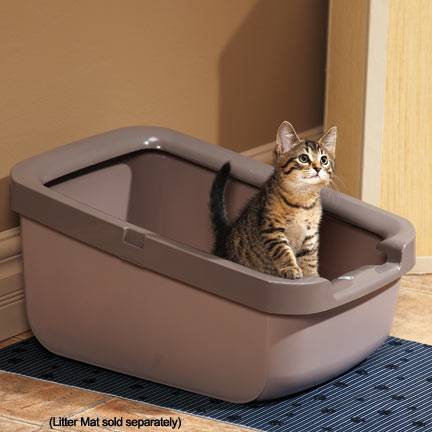

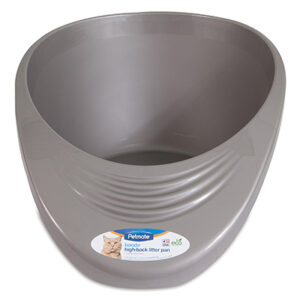
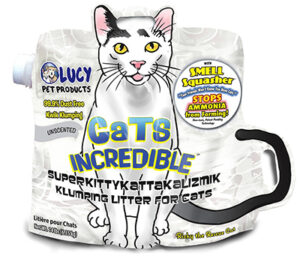 One of my biggest gripes about litter is the dust that permeates the air when you fill the box or the cat scratches around. It’s not healthy for both human and animal residents. The new Cats Incredible Cat Litter from Lucy Pet Products has proprietary non-toxic technology that prevents any ammonia smell from building up in the box and the packaging claims its 99.9 per cent dust free—and it is. Plus it comes in a bag with a pouring spout that makes it very user-friendly.
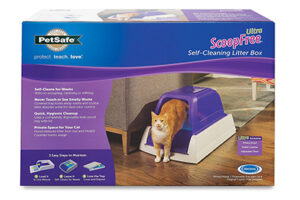 Silica crystal litters are also dust-free. The latest version of the PetSafe ScoopFree Ultra Self-Cleaning Litterbox uses crystal litter cartridges that only have to be replaced weekly now comes with an Amazon Dash button so that reordering cartridges is quick and simple. This smart litterbox can be set to scoop at different time intervals so as not to spook your cat and also has a health counter to track how many times your cat uses the box.
 Most diagnostic litters use assorted pH indicators that react to the introduction of urine and change color alerting to a potential problem. Diagnostic litter brands include Dr. Elsey’s Health Monitor™ Everyday Litter, LifeMate Clumping Cat Litter with Health Alert from Pestell Pet Products and Monthly Monitor from the Ultra Pet Company and Pretty Litter. And just like jumbo litterboxes, diagnostic litters are sold online and delivered to your door.
