Even great climbers get stuck sometimes—or at least think they’re stuck. gsmcity/Adobe Stock
Cats are great climbers. Their flexible frames, sharp claws and powerful muscles enable them to scale the highest tree with speed and agility. Getting down, however, is another matter. Cats’ claws are designed to haul the cat upwards, but not back down.
Most cats are able to get down from trees and other high places on their own. Cats stuck in trees often find a way to jump down from limb to limb until they are close enough to the ground to make that final leap. Even a cat that ends up on the roof of a house can find its way down the same way he got up.
Cats who jump up to high places in their homes, such as atop kitchen cabinets or on the top of tall furniture, will get down the same way they got there—by jumping from a lower surface.
While adult cats know from experience how to get down from high places, kittens haven’t figured it out yet. It’s usually kittens that end up in trouble, howling miserably from the top of a tree, begging for help.
If your cat or someone else’s appears to be stuck in a tree or other high place, here are some things you can do to help him get down:
Encouragement and/or food bribes could help a cat come down off a tree. ulianna19970/Adobe Stock
Try coaxing. A cat who is afraid to try coming down might just need a little encouragement. Call the kitty and reassure him that he can come to you. He might just decide to go for it.
Offer food. Some cats might appear to be trapped, but in reality they just haven’t found a good enough reason to come down. Others are genuinely afraid to make the jumps required to get them back down to earth. In both these situations, hunger can be your friend. Over time, the cat’s desire for food will outweigh his enjoyment of being high up or his fear of coming down. Take advantage of this by placing a bowl of something really yummy at the base of the tree or other object (tuna is good because the cat might even get a whiff of it), and call him. If the cat is hungry enough, he will probably attempt to come down.
If all else fails, you can ask for professional help. Someone did just that and an aborist from Carolina Tree Care came to the rescue.
Wait. If attempts at coaxing and bribing down work, give the cat some time. He will probably get sick of being up there and will attempt to come down. It might take a day or more before he gets desperate enough. Keep an eye on him and continue offering encouragement and food.
Call for help. If the cat has been stuck in the high place for more than a day and seems genuinely distressed, call your local animal control agency. They may be willing to come and help you. They may even get the fire department involved to send a ladder up to your cat, just like in the old days. You could also call an arborist—aka tree service provider; many have helped owners retrieve their cats from tall trees.
About the Author: Audrey Pavia is an award-winning freelance writer and author of “The Labrador Retriever Handbook.” She is a former staff editor of Dog Fancy, Dog World and The AKC Gazette magazines. To learn more about her work, visitwww.audreypavia.com and hollywoodhoofbeats.net/
Being a stay-at-home parent is a choice made with careful thought and love. You want to be available for your kids at any time they might need you, and staying home is often the best way to achieve that. Some parents who choose this lifestyle might be interested in a work-from-home job to add more variety to their lives. However, finding a job that is fulfilling and can work around your parenting schedule isn’t an easy task.
For the animal lovers among these parents, there is a perfect solution: become a professional dog groomer.
Becoming a dog groomer is the perfect remote job for stay-at-home parents who need flexibility in their schedule. With options of working part-time for a grooming company, or starting a pet grooming business of your own, you can start making money while working around your own and your family’s needs. Being a dog groomer also has the added perk of getting paid to spend time with dogs, which is a pretty great way to spend your working hours.
Why Become a Dog Groomer?
Becoming a dog groomer has more benefits than just a flexible schedule. Dog groomers are in high demand, and the demand is likely to grow. According to Consumer Affairs, pet ownership among Millennials has surpassed that of older generations, and their willingness to pay for pet services and products is also much higher. This means there are plenty of opportunities for those who are certified and experienced.
For stay-at-home parents, one of those opportunities can include running their own business from home. This could empower a stay-at-home parent, giving him the freedom to schedule as many or as few appointments to accommodate his schedule. And as his kids grow and enter school, the parent can start upping his hours with his newfound freedom.
These are tasks that many pet owners don’t feel comfortable doing themselves for various reasons. For example, many owners fear the dog nail trimming process. They’re scared they might cut too far and injure the quick of their pet’s nails.
Other times, pet owners lack the equipment and home setup to properly groom their pets. Anyone with large dogs knows how difficult it can be to get them in the bathtub, and the resulting clogged drain from all the loose fur is more than enough motivation to take his dog to a facility to get professionally groomed.
There are also dogs of all sizes that have high maintenance coats that require specific grooming techniques and style (think show dogs). People are willing to pay for these services because of the convenience and expertise they get out of it and, of course, a happy and well-groomed pet.
How to Become a Dog Groomer
With technology as advanced as it is these days, it’s easier than ever for someone to get certified as a professional dog groomer. A dog grooming program that combines online classes with hands-on, real-world training is the perfect option for busy stay-at-home parents. Online classes are self-paced, meaning you can take classes around your own schedule and take the time you need to understand the material.
A complete curriculum will also cover grooming techniques that range from basic to breed-specific as well as health and safety information surrounding the profession. Along with an externship with a professional groomer, the certification process will prepare you for a dog grooming career.
Online education is legitimate, and just as thorough and effective as traditional schooling. The only difference is the flexibility and self-paced nature that allows people — like busy parents — to work the schooling around their own schedule and location. In the end, they come out with the same level of education as someone who went traditional.
Becoming a certified dog groomer is a win-win-win situation for stay-at-home parents: a flexible schedule, a creative and challenging outlet that generates cash, and the chance to work with dogs. That’s about as good as life gets!
Earning your Certificate as a Vet Assistant Has Its Benefits
High school graduation season has come to a close, and many new grads are thinking about what is next. Additionally, those already in the workforce are looking to make a career change that is a little more in line with their passions. For the animal lovers among both groups, a career helping animals is probably on their minds.
Animal medicine is a popular choice because it provides the ability to assist in the well-being of animals of various species. Whether you’re a new graduate or someone looking to make a career change, getting your certificate as a veterinary assistant is the perfect first step toward a rewarding career in the veterinary field.
Why start as a veterinary assistant?
As an entry-level position, becoming a veterinary assistant takes less time than other roles in the veterinary field. Yet, vet assistants have a variety of job responsibilities. Working as a vet assistant could help you decide which aspect of animal medicine you’d like to focus on pursuing. The job duties of a veterinary assistant include, but are not limited to:
Administrative work: Checking patients in and out, filing paperwork, taking calls and scheduling appointments.
Animal handling: Restraining and calming animals during appointments, basic grooming (i.e. nail trimming, ear cleaning), administering oral medicines, caring for in-house patients (i.e. exercising, feeding, etc.) and assessing changes in animal health status.
Prep and cleanup: Sanitizing checkup rooms and making sure they’re fully stocked, preparing and sterilizing surgical tools, and maintaining holding areas for in-house patients and ensuring they’re clean and disinfected.
Getting a chance to work in several different areas of the veterinary office is the best way to decide what you enjoy most and what career in animal medicine or animal care you should pursue. Do you want to become a lab technician, veterinary technician or veterinarian? Working as a veterinary assistant will help you choose a specific path, so you can work toward those goals while also getting valuable in-clinic experience that is important to any career in the veterinary field.
This experience is especially vital to those hoping to become a veterinarian and get their doctorate in animal medicine. Not only will working and learning in a clinic early on give you a leg up in veterinary school with medical terminology, but it will also give you real world context for what is being taught in class. As a bonus to all this invaluable experience, you will be making money while pursuing your degree, helping aid in school costs and living expenses.
Why you should earn your certificate
There are many reasons why seeking a veterinary assistant certificate is important. The knowledge and experience you gain is going to prepare you for almost any animal job environment you find yourself working in. Whether it’s in an animal shelter, a private clinic or an emergency animal hospital, you’ll be able to quickly acclimate to the job.
Get your foot in the door
Having a certificate as a veterinary assistant is also a great way to get your foot in the door. Working with animals is a popular career choice, so there is a bit of competition when it comes to applying for animal jobs. Having a certificate can give you the proof you need to show that you are experienced and won’t need intensive training to function at your job. Employers are more likely to welcome your knowledge of animal behavior and medical terminology, and won’t have to worry so much about teaching you everything.
Flexible online programs
Acquiring the skills and earning your certificate is more accessible than ever before with the availability of online veterinary assistant programs. These types of programs allow you to take classes and study around your schedule. Online classes are mostly self-paced too, allowing you to take the time you need to complete the course. You will take classes online and also get real world experience through externship hours in an animal hospital setting.
Enjoy a rewarding career with animals
Becoming a veterinary assistant is a start to a rewarding career working with animals. The benefits are endless, regardless if you stay an assistant or plan on pursuing a clinical degree, as you’re working for the ultimate goal of healing our animal friends. Whether this is your first career choice, or you’re making a drastic change, it is bound to be a career you can be proud of.
Most people believe that a cat’s behavior and personality are just the result of a lottery, and you either win or lose. When a cat’s behavior becomes too aggressive or destructive, an owner, at best, might learn to deal with it. At worst, she might abandon her cat at the nearest animal shelter.
When dogs exhibit aggressive or destructive behavior, it seems to be a no-brainer for the pet owner to seek out a certified dog trainer to help curb those tendencies. Why is it that many don’t think to do the same thing for our feline friends?
In actuality, cats are just as trainable as dogs. Training cats can make a huge difference in their lives and the lives of their owners. As more people accept the idea of training cats and seek to address their own pets’ behavior problems, the demand for cat trainers will rise.
When you think of training an animal, you likely think of how dogs respond to training and apply that to other animals. However, the way dogs and cats think, interact and respond to people and other creatures are inherently different. Thus, the approach to training them differs as well.
Cats and dogs view their owners in very different ways. Dogs see their owners as surrogate parents, which makes them eager to please and respond to many types of training techniques. Cats, on the other hand, view their owners as equals. This is why, when training cats, you need to take a different approach than you would with dogs to prevent and change unwanted behaviors.
Training a cat involves an extensive understanding of the feline mind. While the average cat lover might feel she understands cat behavior, it’s often more complicated than she realizes. While you might be able to see some common innate behaviors among all cats, there are still variances between individuals—even in the same breed—when it comes to temperament, energy levels and social needs.
Learning to Train Cats
The process of becoming a certified cat trainer includes studying cats’ biology and behavior and developing a better understanding of their unique needs and how they communicate.
There are many reasons a cat might be misbehaving. As a professional cat trainer, you need to know what to look for. The cause of a behavior problem might be something as simple as excess energy. Or it could be the cat’s environment, such as a new pet or person in the house.
Cats are sensitive to many things. Learning to read cat body language and figuring out the cause for the cat’s behavior are the first steps in the cat training or behavior modification process.
Understanding why behaviors occur is imperative to success, and getting a certification in cat training will provide you with this knowledge. In addition, becoming certified provides you with credentials that can give you a boost over possible competition.
Saving Feline Lives
Behavior problems can get serious enough that people abandon their pets at shelters. This is especially true for cats that are mistakenly believed to be untrainable. Seventy percent of cats in shelters are euthanized, according to the Humane Society of the United States. Unfortunately, some of these cats are perfectly healthy and could have otherwise been adopted.
By volunteering at local shelters, cat trainers can help felines become more adoptable by working with them and helping them come out of their shells. Using their knowledge of cats’ varying personalities and temperaments, certified cat trainers can also help ensure felines are adopted into homes that match their individual needs.
By investing in your animal career and pursuing a cat training certification, you can make a real difference in the life of every cat you encounter. The more people learn the value of training their cats, the more cats will remain with their families. Become a certified cat trainer today.
As it turns out, this is a smart choice. According to the Bureau of Labor Statistics, the animal care industry is expected to have above average growth of 29 percent from 2021 to 2031. It’s also an industry not limited geographically because pet ownership isn’t exclusive to a particular area. By choosing a career in the pet industry, your employment outlook is positive no matter where you live.
We don’t have to sell you anymore on the industry because your love of animals made the decision for you! So, how do you get started?
Assuming you want a career working directly with exotic animals, your first step is studying. It doesn’t matter which area you’re focused on whether it’s veterinary care, zookeeper assistant certification, grooming or animal training. They will all require schooling and certification if you want to have the most options and flexibility occupationally. You have options when looking at getting this animal career training, but the best one may be an online education. Before covering how online programs deal with the necessary hands-on portion of animal job training, let’s review the program’s positives.
Benefits of an Online Education
Location
You can access your classes wherever you live because they’re available online. All you need is Internet connection. You won’t have to worry about moving to a new city or state to attend classes. Also, you won’t have to worry about having reliable transportation, or concern yourself with getting to class during poor road conditions.
Convenience
Classes are available 24/7. Whenever you have time to study, you can do so on your own time. This is especially helpful if you need to work during the day or have children at home. Plus, when you need help, there are instructors who can answer your questions. You might not be able to get questions answered at 1 am, but most programs will offer at least a 24-hour turnaround.
Pace
Everybody learns at a different pace. You might have a good grasp on some concepts, but need extra learning time for others. In a conventional on-site classroom, it’s almost impossible for a teacher to set a pace that fits every student. With an online program, you can set your own pace and take the extra time you need to make sure you completely understand the material before moving on.
Lower Costs
Sometimes tuition prices for online programs will be less, but this is not always true. However, the associated costs will be less. There aren’t any commuting or additional housing costs from needing to live closer to campus. Often, the total spent on course materials will be less because much of the information will be available online.
Online learning is a great option for anyone, but especially for non-traditional students who might have a problem getting to traditional classrooms. Besides, who doesn’t want to take classes in your pajamas when the house is quiet and nobody will interrupt you?
But What About Hands-On Training?
No animal career training program would be complete without hands-on training or real world experience. After you finish the online portion of your studies, you will need to complete an externship portion. Every online organization will be a little different, but Animal Behavior College has relationships with relevant organizations all over the country. They make the externship portion of your training almost as easy as the online portion.
For the Veterinary Assistant Program, Animal Behavior College has relationships with more than 4,000 facilities in the U.S. and Canada. They have more than 1,900 locations where you can complete your groomer training for the Pet Grooming Program. Plus, they have relationships with animal shelters and humane societies across North America for the Dog Training Program. With their large network of pet industry professionals, you’ll be able to get hands-on training or real world experience in your community.
Along with the ease of their online studies and considerable network of externship facilities, Animal Behavior College also provides you with your own Program Manager to help you throughout the course. Your Program Manager will be available to answer all of your questions, grade your exams and counsel you. Even though you’re studying in your own community and not on a campus, you will have the support you need to succeed.
The Internet has made the acquisition of knowledge a simple process. All you need to do is determine which online program will provide you the education and training necessary for a career with animals. A successful certification program will combine the ease of learning theory online with a robust professional network to provide the hands-on experience needed. This potent combination provides a flexible format that works well for many students, but especially the non-traditional student. To get started in your career helping animals, consider attending one of the online programs offered by Animal Behavior College.
Start an Exciting Career With Animals ENROLL TODAY
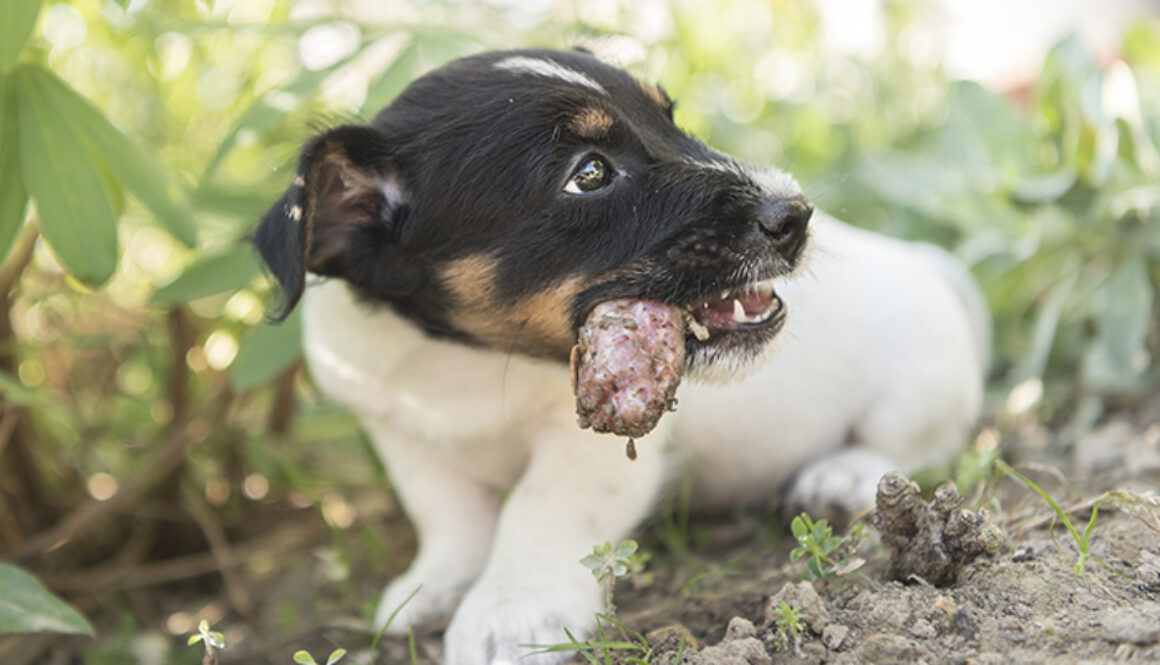
Why your dog eats gross things, and how you can help prevent him from doing so.
Disgusting as it is, eating poop isn’t usually harmful to dogs. However, it should still be discouraged to prevent the possibility of your dog ingesting parasites. Mark/Adobe Stock
Smelly garbage, used tissues, even (don’t gag)—poop. Dogs eat some really gross things sometimes. What seems unappealing and nasty to humans sometimes smells so interesting or out of the ordinary that a curious dog has to fully investigate it. Sometimes boredom or anxiety leads a dog to eat things that seem truly disgusting.
In some cases, too, the tendency to eat non-nutritive items (a condition called “pica”) might indicate that a dog has a medical condition. A mineral deficiency, electrolyte imbalance, or anemia might compel a dog to eat things such as dirt, clay, sand, paper, plastic, chalk, fabric, compost, moldy garbage or—you guessed it—poop.
This behavior, the most common type of pica in dogs, has an official name: coporophagia. And while it seems completely gross, it typically isn’t harmful to your dog, unless he is eating feces from another animal that might contain intestinal parasites.
Ingesting foreign objects, such as rocks, could cause serious medical problems, which is why should always discourage your dog from eating non-food items. Jana Behr/Adobe Stock
So how can you keep your dog from engaging in this behavior? First and foremost, if your dog begins displaying signs of pica, that is, eating items other than his regular food or treats, have him examined by your vet. Again, pica can be a sign of a medical condition, and you’ll want your vet to rule out any underlying veterinary issues.
Eating objects such as rocks, string, fabric or plastic can also lead to gastric upset, vomiting, diarrhea and even intestinal obstructions. Your vet can offer suggestions on how to prevent the behavior, including making sure your pet is receiving all the nutrients he needs from his regular diet. Other tips for discouraging your dog from eating weird or gross things include:
Clean up after your dog right away, so he doesn’t have access to his own feces.
Consider using an additive with his food that makes his feces unappealing to him. Check with your vet before adding this to his food.
Make sure he can’t access the litter box (but make sure your cat still can!).
Watch him carefully when you visit areas frequented by other dogs so he doesn’t ingest another animal’s waste.
Use garbage cans with lids that close securely.
Take out indoor trash frequently, especially particularly smelly items.
If your dog still goes after the trash when you’re not home to supervise him, consider crate training him so he can’t access it when you’re away.
Be vigilant about keeping items such as string, plastic, and fabric out of his reach.
About the Author: Stacy N. Hackett is an award-winning writer with more than 25 years’ experience in the pet industry. She is the former editor of Pet Product News and a former staff editor with Cat Fancy, Cats USA, Critters USA and Ferrets USA. To learn more about her work, visit stacynhackett.vpweb.com.
Domestic cats have a long history that originated in the Fertile Crescent nearly 10,000 years ago.[1] Since humans first noticed these independent and willful creatures, cats have functioned as laborers, adversaries, pests, faithful friends and, once, even as gods.[2]
With such a lengthy back story, it’s no surprise that different cat breeds evolved, including those that got a lot of “help” from humans. Cats were and continue to be bred for everything from enhanced coat quality to advanced intelligence—humans have even enhanced recessive genes that nature introduced as a quirky trait then promptly forgot.
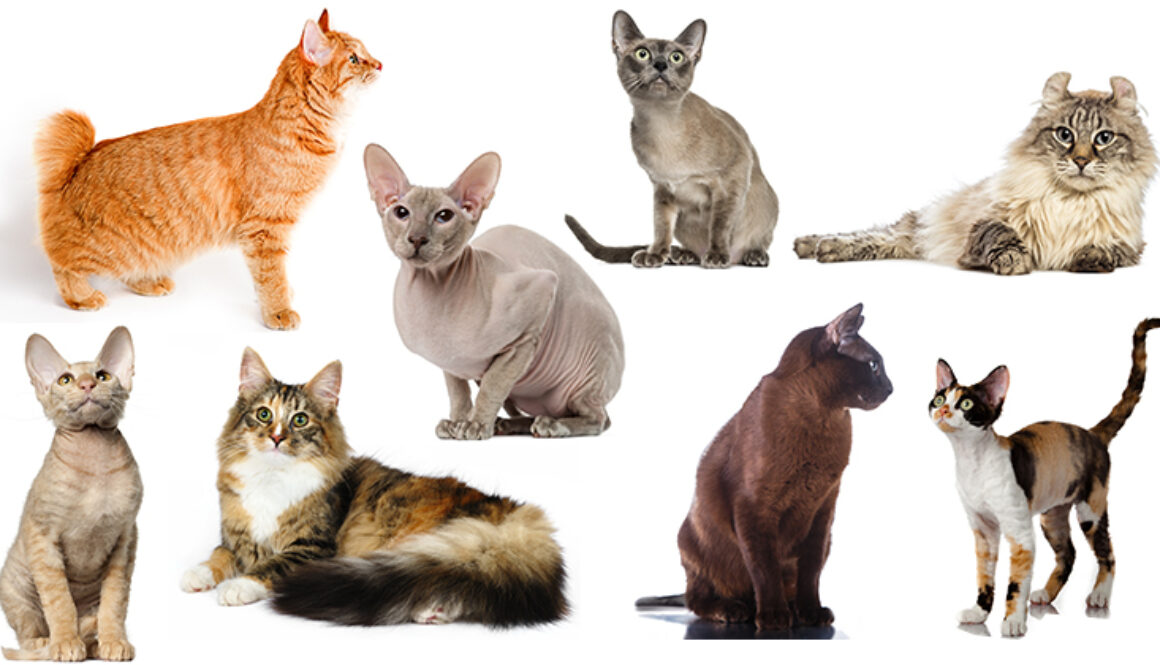
New cat breeds are regularly recognized and while some become official breeds in the Cat Fancy Association (CFA) and/or The International Cat Association (TICA), others are forgotten and relegated to the history books. The CFA recognizes 42 breeds for its championship class; TICA recognizes 71 championship breeds. Here are 12 breeds you’ve probably never heard of.
Kurilian Bobtail
asasurov/iStock
The Kurilian Bobtail hails from the Kurilian islands in Russia. This breed is well-known for its hunting prowess. They have long, silky coats that protect from the cold climate and a very short tail. Despite their somewhat wild appearance, they are considered to be trusting and very gentle. Highly intelligent and playful, Kurilians reportedly bond to their humans quite affectionately and will exhibit signs of anxiety when separated from their people. They are recognized as a championship breed by TICA.
GlobalP/iStock
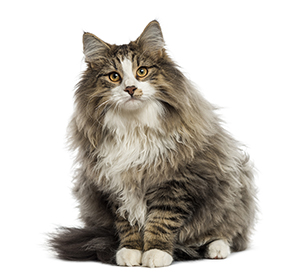
Norwegian Forest Cat
You might have heard of these lovable giants, but you probably don’t know their backstory. It’s believed the Norwegian Forest Cat migrated to Norway on Viking ships around 1,000 C.E. Their long-hair and double coat helps protect them from extreme cold and their personality (intelligent, semi-active and social) has ensured their survival for hundreds of years. Norse legends refer to these cats as “mountain-dwelling fairy cat(s) with an ability to climb sheer rock faces that other cats could not manage.” This giant cat has successfully earned its place in the CFA as an official breed, as well as with TICA.
GlobalP/iStock
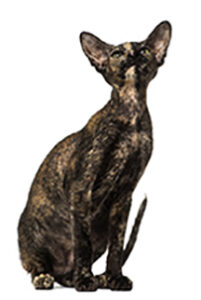
Peterbald
Peterbalds are a mix between a sphynx cat and an oriental shorthair that originated in Russia. At first glance, they appear frail and thin, yet their average body temperature stays consistent around 105 degrees, giving them an incredibly fast metabolism and making them naturally immune to many common illnesses and communicable diseases. Peterbalds come in a variety of coat lengths and patterns, including a hairless version. The Peterbald is recognized as a championship breed by TICA.
GlobalP/iStock
Egyptian Mau
Hailing originally from Egypt, the Egyptian Mau is one of the fastest moving cats, clocking speeds of more than 30 mph. They are one of the few cats sporting a naturally spotted coat, and are renowned for their striking exotic looks. Highly interactive, they adore their humans and enjoy riding on shoulders or perching atop refrigerators. Maus are also exceptionally intelligent and extremely loyal to their owners. These beautiful, elegant cats have earned their place as a recognized championship breed with CFA and TICA.
The Minskin is a cross between a Munchkin (a short-legged breed) and a Sphynx (a hairless breed). The result is a nearly hairless cat—they have fur on the face, ears, nose, legs and tail. Minksins have a round face and wide, round eyes, short legs and a stocky body. Affectionate and outgoing, these cats don’t especially like climbing (understandably), preferring to keep their stocky legs on the ground. The Minskin is a considered a new preliminary breed by TICA.
Shirazi
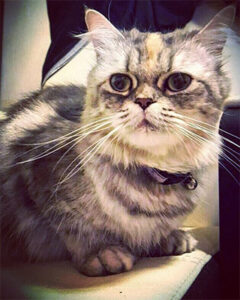
The Shirazi is a semi-domestic breed that naturally occurred in Egypt when Egyptian Maus and Persians began to inter-breed. These unique looking street cats are another “spotted” cat from the Middle East and reportedly sell for up to £300, despite not being listed as an “official breed.” These semi-longhaired cats inherited the coloring of Persians and the personable temperament of the Mau, creating a good-natured breed that requires extra grooming.[3]
Bahraini Dilmun
There are only a few naturally spotted domestic cat breeds and the Bahraini Dilmuni (also known as a “delmun”) is one of them. Their short, spotted coats help them survive the hot desert temperatures of Bahraini. Although this breed is in danger of disappearing due to interbreeding with abandoned Persian cats in the region, there are a few devoted individuals in the Persian Gulf who are trying to preserve the unique cat.[4]
La_Corivo/iStock
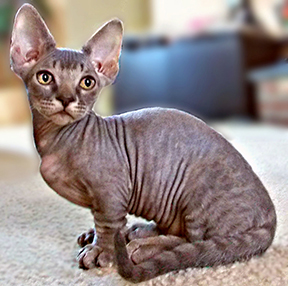
Devon Rex
The Devon Rex has a short, curled coat that feels like velvet. They’re known as pranksters and will keep you entertained with their antics. They’re quite often referred to as “pixies” for their unique personality, large ears and elfin face. Word of warning: they are “food hounds,” so if you plan on bringing one into your home, be sure you watch their diet carefully. This velveteen cat is also recognized as a championship breed by the CFA and TICA.
Sokoke
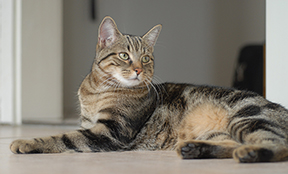
The Sokoke is a striped cat that originated in the Arabuko Sokoke forest in Kenya. Natural hunters, these cats have long, thin legs and a unique gait. Their ears are long (helping them to hear even the slightest sounds) and they walk on the tips of their toes thanks to longer than normal growth in the hind end, which helps them pick up speed during a hunt. Since their natural occurrence in Kenya, they have been standardized for breeding since 1993 by the Fédération Internationale Féline (FIFe). They are, by all reports, quite personable, fairly talkative and highly intelligent.[5]
Evgeny Seagreev/iStock
American Curl
American Curls get their name from the unique curl of their ears. A result of a random mutation in housecats, the breed’s tall, unusually curled ears require extra care. They are very adaptable cats who enjoy being around people and other animals. The American Curl is yet another officially recognized breed by CFA and TICA.
Lykoi
The Lykoi has been bred to highlight a genetic mutation that occurs naturally in domestic cats. Their patchy coat and bright yellow eyes have earned them the name of “Werewolf cats.” Their personality is quite different from the werewolf legend—owners report these cats bond to them quite intensely and have been known to be protective of them.[6] The Lykoi is recognized as a championship breed by TICA.
jstankiewiczwitek/iStock
Tonkinese
The Tonkinese is this writer’s most favorite breed. Tonkinese are a cross between Siamese and Burmese cats, giving the breed an oriental look with a more muscular body than is usually found in Siamese. These friendly cats are stunning with their aqua or violet-colored eyes and short, silky coats that come in eight colors and three patterns (solid, mink or pointed). These cats truly enjoy people and other pets, and in most cases will be found talking to you about their day (they are quite vocal) or curled up on your shoulder as you write, making them one of the most playful, sociable and beautiful cats in the world (not that I’m biased). CFA and TICA have recognized this cat as a championship breed.
About the Author: Stacy Mantle is a fulltime freelance writer, bestselling author and founder of PetsWeekly.com. She resides in the deserts of the Southwest with a few dogs, several cats and a very understanding husband.
[1] Pickrell, J. Oldest Known Cat? National Geographic News, www.news.nationalgeographic.com/news/2004/04/0408_oldestpetcat.html
Best practices for camping and hiking with your dog
Camping is great; taking your dog along makes it better. Mat Hayward/Adobe Stock
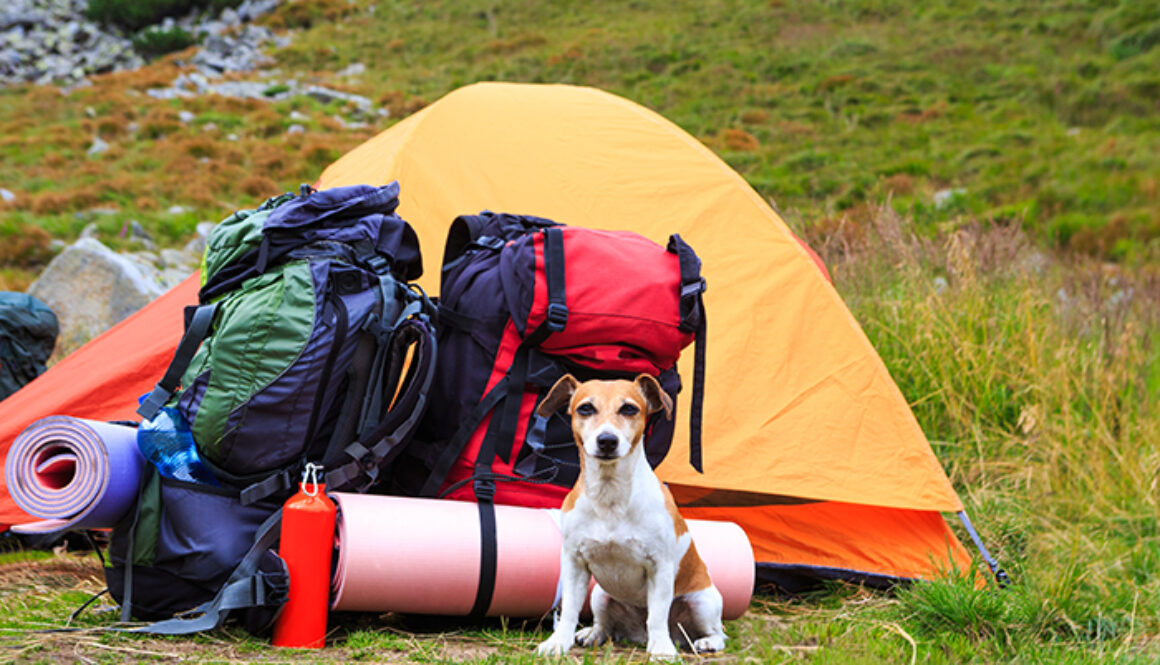
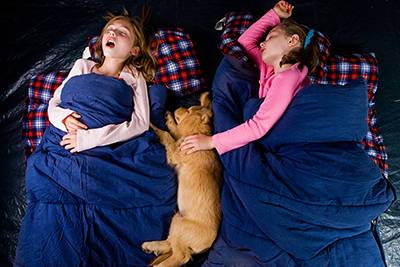
Hiking and camping is fun, but doing it with your dog is even better. Having your canine companion trekking along with you on the trail or sleeping beside you in a tent in the wilderness makes a great experience even more special.
To be sure your nature experience with your dog goes smoothly; here are some things you should keep in mind.
Hiking
Park Rules. Before you head out on your hike, find out if dogs are allowed. Most national parks do not allow dogs on wilderness trails. Some state and regional parks ban dogs all together. National forests usually allow dogs. Rules about whether dogs are permitted can usually be found on park or forest websites.
Keeping your dog on a leash and close by helps ensure everyone has a safe and enjoyable hike. DoraZett/Adobe Stock
Leash Manners. Most trails require dogs be leashed, so be sure your dog walks well on the leash before you take him on a hike. If he’s a medium to large sized dog and he likes to pull, consider taking him to an obedience class where he can learn to walk nicely on leash. Otherwise, you’ll spend hours on the trail being pulled on, which will ruin your hike. You could also end up injured if your dog pulls on your while you’re walking up or down a steep trail.
Conditioning. Your dog should be in good physical health before you take him on a hike. If he’s got arthritis, is overweight or has any other health issues, have your vet check him out before you take him on a hike.
Sustenance. Before you head out on the trail, pack plenty of water and some dog treats for your four-legged hiker. Bring a portable water bowl so you can offer him water along the way. You may even want to buy him his own canine backpack so he can carry his own treats.
Trail Manners. While hiking with your dog, keep him close to you when you pass other hikers. Don’t allow him to approach other people and dogs unless you have permission. Some people are afraid of dogs, and some dogs don’t like other dogs. Don’t allow your dog to harass wildlife, either. Remember that you and your dog are a guest in their home.
Camping
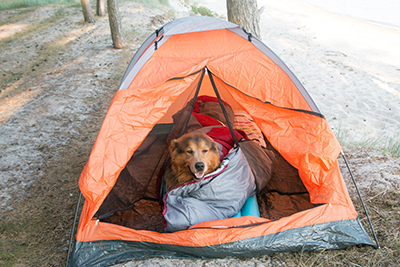
Don’t forget to bring all of your dog’s necessities when camping, including food and bedding. Sabine Schönfeld /Adobe Stock
Good Behavior. Before you take your dog to a campsite, make sure he has good manners. He should be free from aggression toward other dogs and people, and should come when you call him.
Restraint. Don’t assume it will be OK to let your dog run loose at a campground. Be prepared to keep him on leash at all times, or attached to a tie-out that is staked in the ground. Don’t allow him to harass wildlife at your camping spot or in the neighboring wilderness.
Packing. Remember to bring everything your dog will need while you’re on your camping trip. His usual dog food and some treats, along with his bed and a favorite toy will go a long way to making sure your dog is comfortable while you’re away from home.
About the Author: Audrey Pavia is an award-winning freelance writer and author of “The Labrador Retriever Handbook.” She is a former staff editor of Dog Fancy, Dog World and The AKC Gazette magazines. To learn more about her work, visitwww.audreypavia.comandhollywoodhoofbeats.net/
What’s new in jumbo-sized pans and dust-free litters for felines
The Catit Cat Pan with Rim Image courtesy of Drs. Foster & Smith
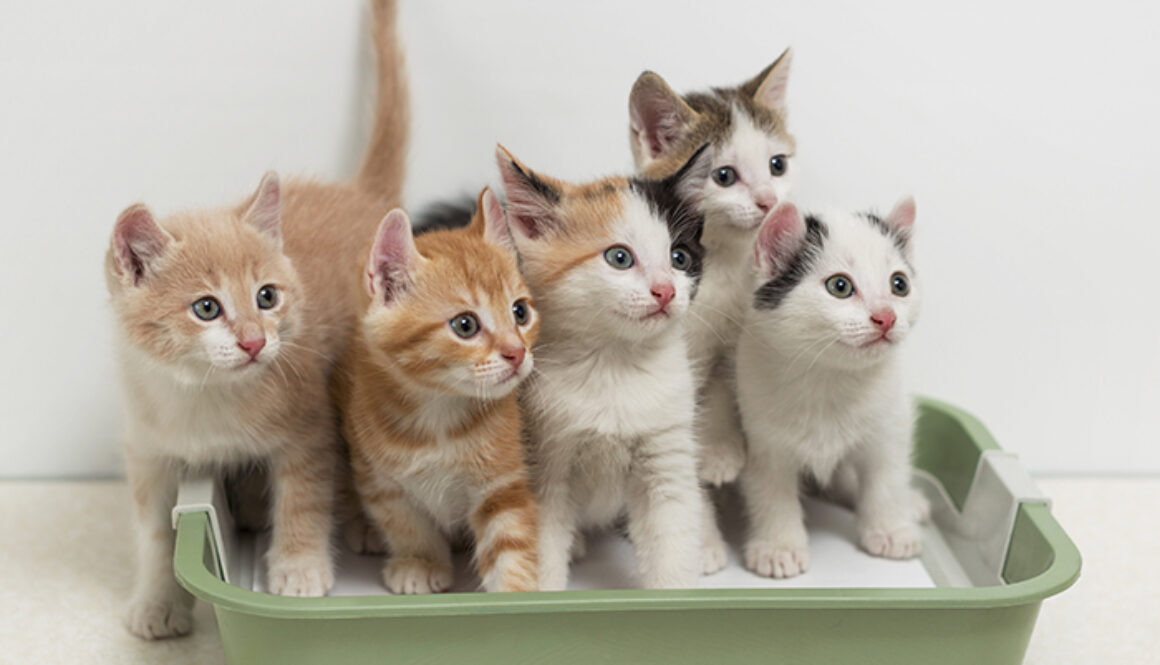
One of my biggest complaints about litterboxes has always been that they are too small, especially if you have a large cat or multiple cats. Even if you have one box per cat as per the recommended guidelines, they do tend to use any box in the home. And if the boxes are small, it is difficult for them to avoid stepping on fecal matter and urine litter clumps.
And then, of course, there is the problem of litter being kicked out and going everywhere.
Recently, I was researching jumbo litterboxes with high sides in an attempt to take care of both of these issues. I was pleasantly surprised to find a growing selection to meet these needs.
Jackson Galaxy Giant Litter Pan
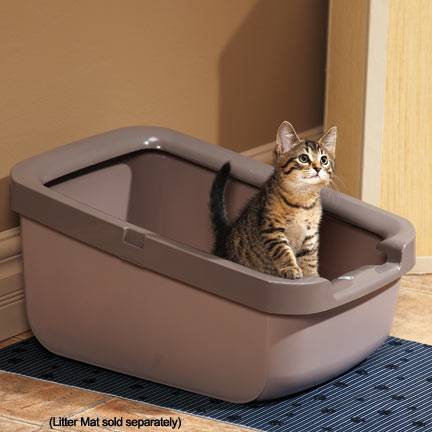
Most behaviorists suggest open boxes so that cats have a clear view of anyone or another cat approaching— and possibly trying to ambush them—while they are doing their business. As such, a high-sided box is a good choice because it offers relative privacy and a view.
A word of warning before you shop online (where most jumbo high-sided boxes can be found). Check the measurements to determine whether they denote the pan’s dimensions or the box’s overall size. I was interested in a litterbox that turned out to be 5 inches smaller in both width and length because the measurements included the box’s extremities—handles and the extended lip at the access point.
Booda High-Back Cat Litter Pan
Among the high-sided jumbo litter pans I found worth considering is the Petmate Jackson Galaxy Giant Litter Pan, which has a high back and sides and a lower entrance area (about 7 inches), for easy access.
“Cats need to feel a sense of space in their place; that is, room to turn around, to cover what they’ve eliminated, to choose one corner over another,” said Galaxy.
Another box I really liked is the Catit Cat Pan with Rim; it has a generous 22.4 in. x 15.3 in. pan. The rim of the Catit is great to keep litter liners in place and it also has a lower entry point. For single- cat households with a small feline, there is the circular Booda High-Back Cat Litter Pan with a ramp. It’s ideal for placement in a corner.
One of my biggest gripes about litter is the dust that permeates the air when you fill the box or the cat scratches around. It’s not healthy for both human and animal residents. The new Cats Incredible Cat Litter from Lucy Pet Products has proprietary non-toxic technology that prevents any ammonia smell from building up in the box and the packaging claims its 99.9 per cent dust free—and it is. Plus it comes in a bag with a pouring spout that makes it very user-friendly.
Another excellent dust-free and environmentally friendly choice is the Okocat Soft Step Clumping Wood Litter, which is also biodegradable and flushable.
Silica crystal litters are also dust-free. The latest version of the PetSafe ScoopFree Ultra Self-Cleaning Litterbox uses crystal litter cartridges that only have to be replaced weekly now comes with an Amazon Dash button so that reordering cartridges is quick and simple. This smart litterbox can be set to scoop at different time intervals so as not to spook your cat and also has a health counter to track how many times your cat uses the box.
The latest litters also include a variety of diagnostic litters designed to alert pet parents to potential health issues, such as kidney disease, urinary tract infections, diabetes and food sensitivities, and allow effective monitoring the situation on a daily basis so that this detailed information can then be referred to a veterinarian.
Most diagnostic litters use assorted pH indicators that react to the introduction of urine and change color alerting to a potential problem. Diagnostic litter brands include Dr. Elsey’s Health Monitor™ Everyday Litter, LifeMate Clumping Cat Litter with Health Alert from Pestell Pet Products and Monthly Monitor from the Ultra Pet Company and Pretty Litter. And just like jumbo litterboxes, diagnostic litters are sold online and delivered to your door.
About the Author: Sandy Robins is the 2013 winner of the “Excellence in Journalism and Outstanding Contribution to the Pet Industry Award.” Her work appears on many of the country’s leading pet platforms, such as MSNBC.com, MSN.com and TODAYShow.com. She is a regular contributor and columnist in multiple national and international publications, including Catster, as well as the author of the award-winning books “Fabulous Felines: Health and Beauty Secrets for the Pampered Cat” and “For The Love of Cats.” Learn more about Sandy on her website or Facebook page. #welovecats
You love training your dog. Not only do you get to spend time with him, but you also have the best behaved dog of anyone you know. You’ve even had some success helping your friends train their dogs. Your life matches the description of a dog trainer! You believe this might be a great career path for you. What is your next step?
If you love animals, training dogs is a great way to spend your days surrounded by them. It’s also a good choice because it’s an easy field to pursue. No degree or certification is required to become a dog trainer. Really, all you need are clients to be able to start a dog training career. However, before you rush out to have business cards printed, you should seriously consider getting training yourself and becoming certified.
Whether you’re looking to work for someone else, or to run your own business, being a certified dog trainer gives legitimacy to your abilities. Just like a plumber saying he’s licensed and bonded, customers feel more comfortable with someone who has been trained and certified. With a dog training certification, you can take on those customers, and their pets, with confidence.
Choosing a Dog Training School
The best way to get started on your dog training career is to enroll in a trade school or training program specifically designed to teach people how to become dog trainers. The breadth of training will be much deeper with these programs, and you’ll receive certification upon completion. Several of these dog training programs are even offered online, so you can take advantage of self-paced learning wherever you live.
Every dog trainer program will vary some on the curriculum, but any good program will cover these important topics:
Basics of dogs – Every dog trainer needs to have basic knowledge of dog psychology and why dogs behave in certain ways. This will be the basis for learning to read dog body language and understand cues they are giving you.
Theory of dog training – Dog training has evolved over the years. Common methods used even 30 years ago are now considered detrimental or even inhumane. Only consider programs that teach positive reinforcement techniques. A great program will teach you the theory and scientific principles behind this method.
Specific skills and tools for training – Theory is the basis for all training, but you need to be able to apply that theory to teaching specific behaviors. A great program will cover all the common commands of dog obedience plus all the methods used in teaching advanced behaviors. You should learn all the skills you will need to teach tricks or other specialized actions.
Problem solving behavioral issues – There are common behavioral problems you will need to learn how to solve. Not all of your training will be working with impressionable, young puppy minds. Older dogs often need to unlearn bad habits to integrate successfully with their human family. A great program will give you the skills needed to do this.
Breed specific traits – We have managed to breed dogs to fulfill specific tasks. The result is that even mixed breeds will have traits specific to the jobs they were originally intended to do. If you only work with dogs that were bred to be companions, you might not know what to do with the intensity of a herding dog or the scent distraction of a hound. This should be an important part of any curriculum.
In addition to the above topics, a successful dog trainer needs some non-training skills. A good program will also cover these areas. Every dog you work with will have an owner, so good people skills is a must to be a dog trainer. You’ll need to be able to sell yourself to potential clients and teach the owners how to properly work with their dogs. Clear communication between you and your clients is key to helping your clients change their dogs’ behaviors for the better.
The versatility of dogs means they can be trained to help humans in many different ways. After your first certification, you may want to pursue a specialized area of training, such as service dogs or search and rescue dogs. There are many paths you can take with your dog training certification. It is truly a career that can be tailored to your interests—and all of it is with dogs!
Rating A+ The BBB only accredits the business management of a school, not the quality of the curriculum, or training programs.
STATE LICENSURE AND APPROVAL
Animal Behavior College is a private vocational school approved by the Bureau for Private Postsecondary Education (www.bppe.ca.gov) under the California Private Postsecondary Education Act of 2009 and Title 5. California Code of Regulations Division 7.5. Private Postsecondary Education. The Bureau for Private Postsecondary Education approval means that this institution and its operation comply with the standards established under the law for occupational instruction by private postsecondary educational institutions. Institutional approval is subject to continual review and the institution must reapply for approval every five years.
DISCLAIMER
Please be advised that Animal Behavior College (“ABC”) is the exclusive entity authorized to provide certifications and/or degrees from Animal Behavior College. Moreover, such certifications and/or degrees are only conferred by ABC following a student’s completion of an ABC-administered program. No other entity or individual has authority to confer certifications and/or degrees on ABC’s behalf. Any other entity or individual who attempts to do so is acting without express or implied authority from ABC.
GI BILL® TRADEMARK ATTRIBUTION
GI Bill® is a registered trademark of the U.S. Department of Veterans Affairs (VA). More information about education benefits offered by VA is available at the official U.S. government Web site at https://www.benefits.va.gov/gibill
Animal Behavior College, 27509 Avenue Hopkins, Santa Clarita CA 91355-3910 Contact Us









 Shirazi
 Bahraini Dilmun
 The Sokoke is a striped cat that originated in the Arabuko Sokoke forest in Kenya. Natural hunters, these cats have long, thin legs and a unique gait. Their ears are long (helping them to hear even the slightest sounds) and they walk on the tips of their toes thanks to longer than normal growth in the hind end, which helps them pick up speed during a hunt. Since their natural occurrence in Kenya, they have been standardized for breeding since 1993 by the Fédération Internationale Féline (FIFe). They are, by all reports, quite personable, fairly talkative and highly intelligent.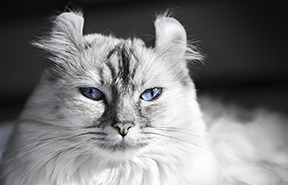
 Lykoi
Lykoi



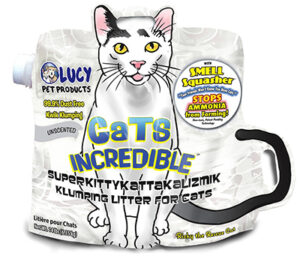 One of my biggest gripes about litter is the dust that permeates the air when you fill the box or the cat scratches around. It’s not healthy for both human and animal residents. The new Cats Incredible Cat Litter from Lucy Pet Products has proprietary non-toxic technology that prevents any ammonia smell from building up in the box and the packaging claims its 99.9 per cent dust free—and it is. Plus it comes in a bag with a pouring spout that makes it very user-friendly.
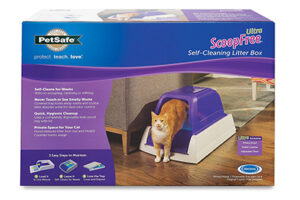 Silica crystal litters are also dust-free. The latest version of the PetSafe ScoopFree Ultra Self-Cleaning Litterbox uses crystal litter cartridges that only have to be replaced weekly now comes with an Amazon Dash button so that reordering cartridges is quick and simple. This smart litterbox can be set to scoop at different time intervals so as not to spook your cat and also has a health counter to track how many times your cat uses the box.
 Most diagnostic litters use assorted pH indicators that react to the introduction of urine and change color alerting to a potential problem. Diagnostic litter brands include Dr. Elsey’s Health Monitor™ Everyday Litter, LifeMate Clumping Cat Litter with Health Alert from Pestell Pet Products and Monthly Monitor from the Ultra Pet Company and Pretty Litter. And just like jumbo litterboxes, diagnostic litters are sold online and delivered to your door.