
Helping Owners Keep Their Dogs Happy and Busy at Home
By Crazy Dog Staff
Sheltering-in-place, social isolation, self-quarantining; whatever you call it, having to remain at home for long stretches takes its toll on all of us, including our dogs. Although they don’t have to remain 6-feet apart, dogs can suffer as a result of their owners’ social distancing. The good news is that there are activities you can recommend to your clients to help keep their dogs happy and busy when they must remain at home—whether due to “safer-at-home” rules or has part of their normal routine.
Work it Out
Being at home doesn’t mean your clients can’t put their dogs on an exercise program. A brisk workout will not only burn off excess energy and keep their canines from bouncing off the walls, but it will also put them in a happier frame of mind. Research conducted at the University of Arizona found that dogs get a “runner’s high” after vigorous exercise, just like humans do. In both specie, exercise causes neurochemicals to activate endocannabinoid (eCB) receptors in the brain, which deliver neurobiological rewards.
 Being at home doesn’t mean your clients can’t put their dogs on an exercise program. A brisk workout will not only burn off excess energy and keep their canines from bouncing off the walls, but it will also put them in a happier frame of mind. Research conducted at the University of Arizona found that dogs get a “runner’s high” after vigorous exercise, just like humans do. In both specie, exercise causes neurochemicals to activate endocannabinoid (eCB) receptors in the brain, which deliver neurobiological rewards.
So how can dogs get enough exercise at home to activate eCB? Playing fetch is one of the easiest ways to provide a rough-and-tumble workout anywhere—owners just sit there and throw the toy, and their dog does all the work. They can make the game even more strenuous by tossing a retrievable object up a flight of stairs or onto furniture (if it’s allowed, of course). And a good game of fetch outside is always an option for clients who have a backyard.
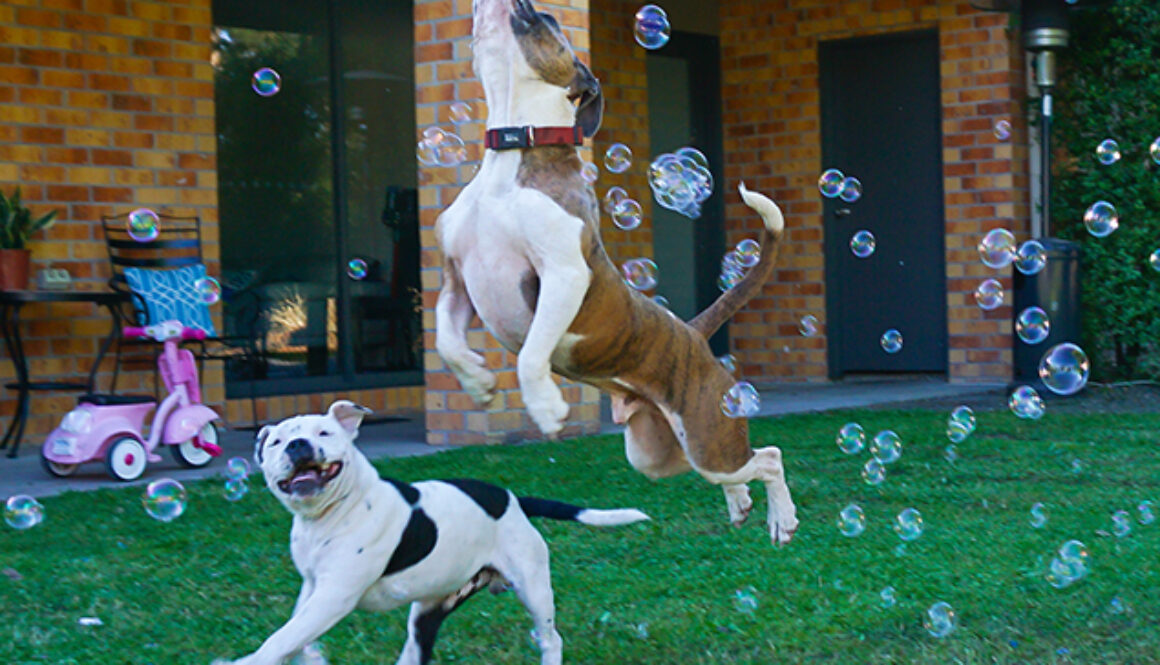
Another variation is to use nontoxic children’s bubbles and a wand or bubble-blowing toy. Dogs will love chasing these evaporating balls as they fly through the air, even though they can’t retrieve them. The bubbles’ novelty and weird behavior will add mental stimulation, too, as dogs try to figure out what they are—and where they went.
Challenge with Puzzles

Speaking of mental stimulation, stay-at-home dogs need plenty of it. There are many toys and puzzles that can be filled with treats to keep dogs happily occupied for long periods. Owners can add to the challenge by hiding the toys in different spots around the home and then have their dogs find them.
To entice their dogs to participate in any game, have your clients use highly rewarding treats that have a mouthwatering aroma and taste, such as Crazy Dog Mini Train-Me Training Rewards. Available in delectable Bacon, Beef and Chicken flavors, Crazy Dog Train-Me. treats have pork liver as their No.1 ingredient, which makes them irresistible to canines. They’ll keep a dog focused on the task of finding and solving the puzzles. They will be rewarded not only with delicious goodies but also with the sense of accomplishment that comes from successfully completing a mental challenge.
Make it a Spa Day
 Your clients can use being home with their dog to relax and bond (it will do both some good). by giving your pup a leisurely spa-type grooming session. They can pamper their dog with some gentle brushing, followed by a bath with spa-quality Crazy Dog Shampoo available in luscious Green Apple, Baby Powder and Pina Colada fragrances, and then a head-to-tail wrap in warm towels. As an alternative to bathing or in-between shampoos, they can give their dog’s coat a touch-up with Crazy Dog Grooming Spray which will clean, condition, detangle and leave a long-lasting scent. Either way, their dogs will enjoy being cuddled and feeling like they are the center of their owner’s world.
Add a New Trick or Behavior
Your clients could also use the time spent at home to teach their dog a new behavior or trick, such as roll over or play dead. This will be fun for both, and the challenge will be a good antidote to boredom. If their dog already knows the basic commands Take-it and Drop it, they could teach him something more advanced, like how to pick up and put away his toys. Or they could teach him a behavior chain, such as puppy push-ups (Sit, Down and Stand in various order).
Whatever your clients choose to do during their time at home, they will be strengthening their relationship with their dog and ensuring they get plenty of physical and mental stimulation.





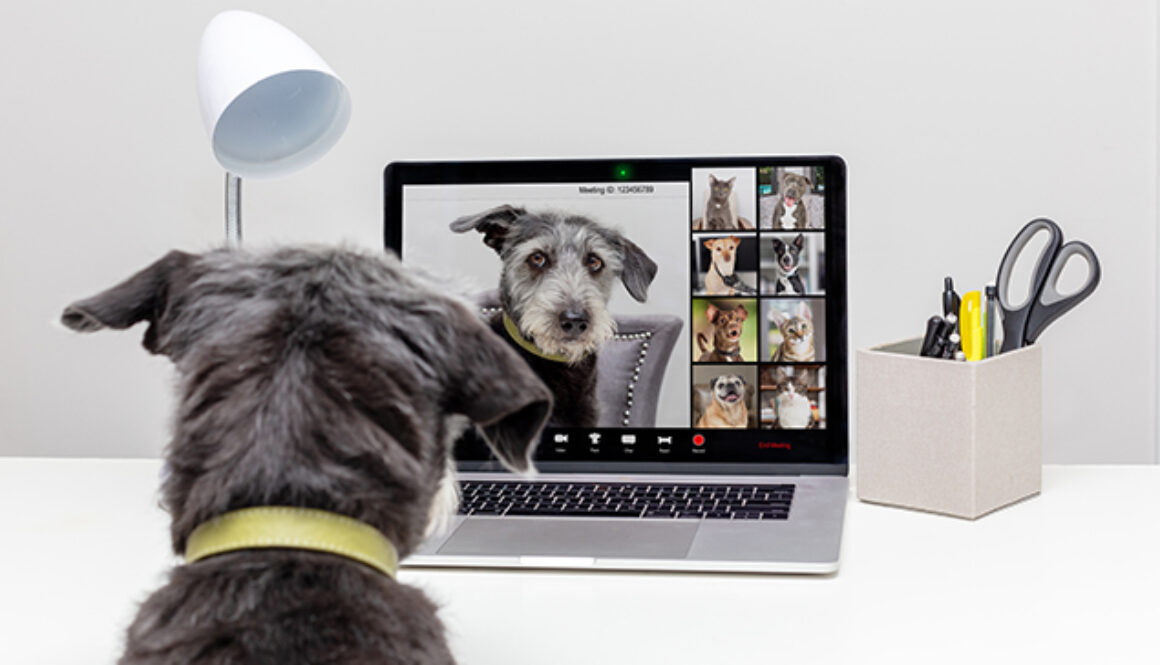
 More than 65 percent of dog owners who contact trainers are typically looking for help with behavior challenges, such as inappropriate jumping, chewing or digging, house soiling, excessive barking, begging, etc. Every one of these behaviors can be addressed remotely. Of course, you will need a thorough history of the challenge from the owners. You will also need to watch them interacting with their dog.
 At Petco, we are committed to improving the health and wellbeing, both physical and mental, of each pet that enters our stores. To help in achieving this, we have an outstanding Pet Services Department that includes grooming, dog training and veterinary services. This enables us to help pet parents meet the complete needs of each of their furry, feathered, scale, and finned family members.
  As you well know, grooming is an important part of a dog’s health care. Our grooming services range from simple walk-in nail trims to full-service baths with complete haircuts. Pet parents can add luxury shampoos, extra brushing, shed-less packages, seasonal scents and other fun offerings with our customized packages.
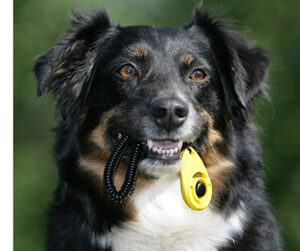 At Petco, we believe that the most important thing we can do is to foster a safe, healthy, and positive relationship between the pet parent and their dog. And our Positive Dog Training program is a great way to do just that.
  As a health and wellness company, we’re on a mission to improve the lives of people and their pets. At the heart of this approach is a world-class veterinary network of full-service hospitals and vaccination clinics providing pet families with quality, affordable care they can count on, seven days a week. In the past year alone, vaccination clinics, full-service hospitals, and telehealth have served more than 1 million pets, a number that will double to more than 2 million in 2020. And over the next few years, we will aggressively expand our vet-services footprint to make them accessible for more pets and pet parents nationwide.


 Many new puppy owners need help establishing healthy habits for their new furry family member. Teaching your clients how to encourage good behavior—and discourage bad—not only helps keep puppies healthy and happy, it also helps you improve your relationship with them by being a trusted information source.
  Stuffing toys with tasty treats (e.g., Kong Puppy Easy Treat, an all-natural, easily digestible paste) makes them even more irresistible and keeps puppies playing longer. Some Kong Puppy toys, like the Activity Ball (image right) and Teething Stick (top image), also feature Denta-Ridges, grooves on the outside that are designed to help sooth sore gums and promote dental health. Your clients could add a squirt of Puppy Easy Treat in the ridges to encourage chewing.


 More than 25 years ago, Charlee Bear was an idea for a dog treat: a treat that would reinforce the incredible bond between humans and canines and add to the love in the world.


 Another reason attachment combs are used is that you can achieve a short cut when using the shortest combs (red and purple) and still leave some texture on the coat. This makes them perfect for wire-coated breeds that get clipped instead of hand stripped. For example, if I were to use a #7 blade to set the pattern on a Miniature Schnauzer, it will be slick and smooth. The attachment comb will leave just enough hair to make the coat more natural-looking. It’s also easier to blend your lines with an attachment comb, creating a seamless pattern. Going from the shorter back coat and into the longer coat of the legs, the skirt or underline on these trims should not show a distinct line. No hula skirts, please!

