

Why Routine Grooming of Senior Dogs Matter: A Groomer’s Perspective
By: The Andis Company
Recently, an elderly dog was brought to me in extremely poor condition. His nails were overgrown and curled, his coat was heavily matted, and the scabbing around his eyes was impairing his vision. Grooming him was a delicate and painful process due to his arthritis and anxiety. Beneath the mats, I discovered hidden growths that had gone unnoticed. Although he likely felt relief afterward, the experience was exhausting and stressful for him.
Why Grooming Often Gets Delayed
With over 25 years of grooming experience and connections to professionals worldwide, I’ve seen this scenario far too often. Many pet owners delay grooming appointments for their senior dogs, hoping to reduce stress. Unfortunately, this well-meaning decision often leads to greater discomfort and health risks.
The Challenges of Grooming Older Dogs
As our dogs age, they face new physical and cognitive challenges that make grooming more difficult, including:
● Arthritis
● Mobility issues
● Hearing or vision loss
● Cognitive decline (like doggy dementia)
● Fragile skin and growths
● Lumps and bumps
These issues can make even routine grooming tasks–like brushing or drying–uncomfortable. They may even begin to try to bite their groomers for these things when they enjoyed them in their younger days. Delaying grooming only compounds the stress, as longer intervals mean more work and discomfort during each session. For example, removing matting from between pads can take up to 15 minutes instead of the usual 5 minutes if the dog hasn’t been regularly groomed.
The Benefits of Regular Grooming
Monthly grooming is essential for senior dogs. Here’s why:
● Maintains manageable coat length – Shorter grooming sessions reduce stress. The less time a dog has to stand for grooming, the better.
● Prevents matting – Mats can cause skin irritation, pain, and hide medical issues. They can also be difficult to safely remove on an already stressed pet, and big changes, like going from long hair to short hair can be very scary for an old dog.
● Controls undercoat – Regular removal keeps skin healthy in double-coated breeds and prevents shedding in the dog’s home.
● Keeps nails short – Overgrown nails worsen joint pain and mobility issues.
● Monitors health – Groomers can often detect new lumps or skin changes early. This can help prevent issues owners may not have known about otherwise.
● Preventing urine burns – Older dogs tend to have accidents on themselves and need regular bathing to prevent irritation of the skin
● Familiarity – Dogs find comfort in routine, and being with the same groomer on a schedule helps them feel more comfortable in a situation where they may normally be stressed.
It takes an incredible amount of skill and patience to groom an older dog, so we don’t want to worsen this with a backlog of care. It is also very important to keep expectations low on the finished product of an elderly dog’s haircut. As they age, the point of grooming is to keep them clean and comfortable, and sometimes, it may not be pretty.
How Pet Parents Can Help at Home
● Brush regularly – Use an Andis Slicker Brush on longer areas like ears and tails.
● Remove undercoat – The Andis Rake is gentle and effective for shedding control.
● Maintain nails – The Andis Cordless 2-Speed Nail Grinder is quiet and ideal for seniors.
● Stay ahead of the need – Schedule grooms proactively, not reactively.
A Delicate Conversation
Here are some examples of ways to advise owners to bring their pets in more often due to age:
● “I noticed Fluffy was a little sore after her session today, and it took longer due the extended amount of time between appointments. It would be much easier on Fluffy’s joints if she came in monthly so I can make her grooming sessions shorter.”
● “Fluffy has reached the age where she no longer tolerates certain things and needs extra care. She will need more frequent grooming sessions to maintain her hair safely. I suggest 4 weeks going forward.”
I often follow up with something relatable like:
● “I know, as I’ve gotten older I feel like I’m at appointments all the time too!”
● Or “Yes, when my dog got older he got pretty crabby and I had to keep him in a short trim and groom him more often.”
As dogs age, their grooming needs become more critical. Regular grooming not only keeps them clean and comfortable but also plays a vital role in their overall health and well-being. Staying consistent with grooming appointments is one of the most compassionate things you can do for your senior dog into their golden years.



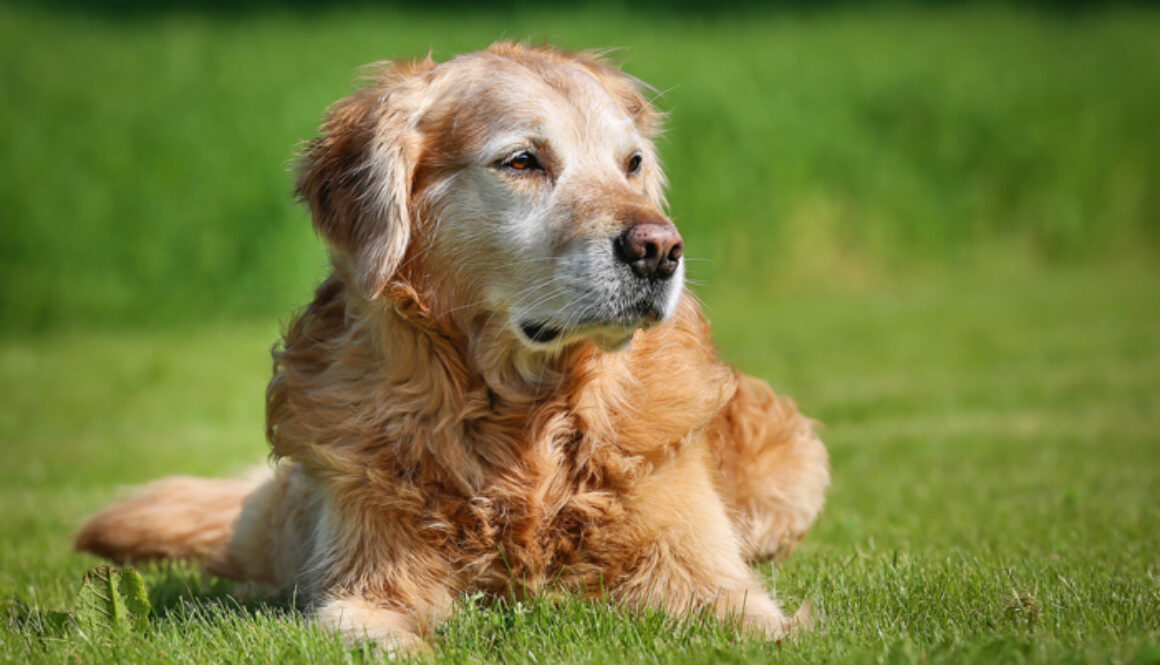
 A cat is a senior at 11 years of age and a dog is one at age 7, according to the American Animal Hospital Association (AAHA). If you ask owners of an 11-year-old cat or 7-year-old dog about the qualities and personalities of their pets, they’ll likely tell you that these “senior” animals are wonderful, playful, charming companions.
 Good behavior. Senior pets are past their wild and crazy kitten and puppy years, and have learned the good habits they need to be polite, nondestructive household residents.
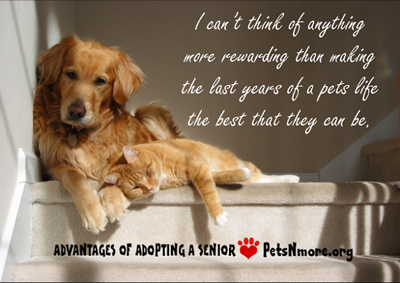 Shelter staff encourage pet lovers to consider senior pets, noting that the animals still have plenty of affection and love to give to a family. This month is set aside to highlight these special pets because older ones typically have a more difficult time finding a new home.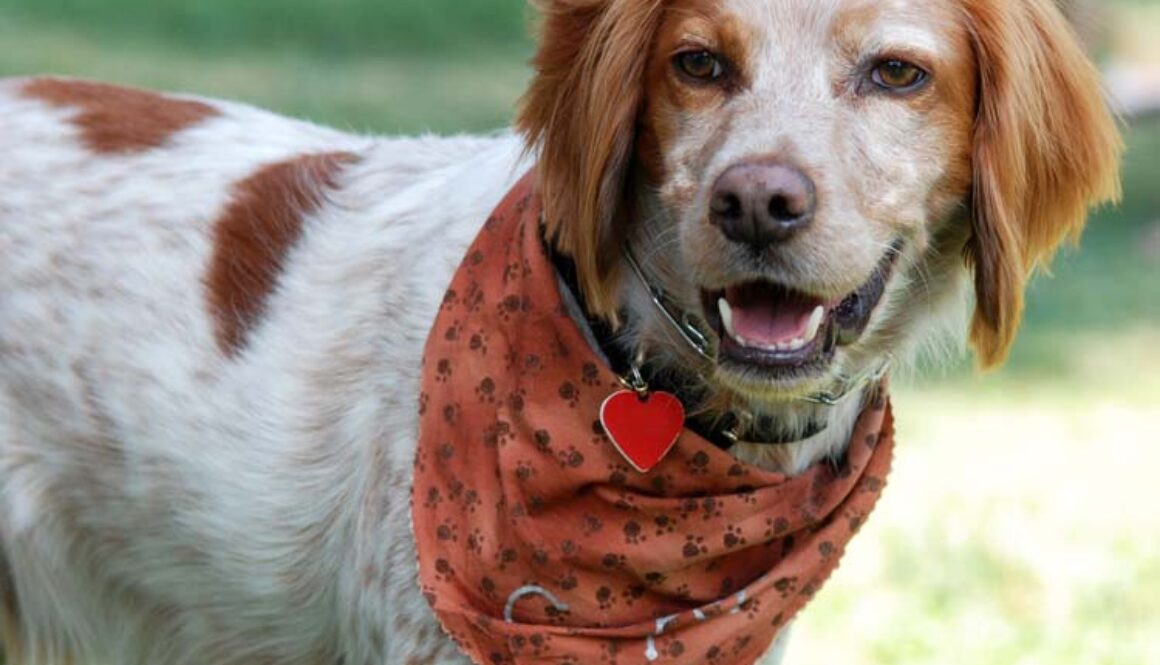

 If you are looking to adopt a pet, please consider Best Friends. Best Friends Animal Society is here to save animals from shelter euthanization and cruelty by finding them forever homes. These cats, dogs, birds, horses and more are all living beings that deserve the chance to enjoy their life. At Best Friends volunteers and staff are hard at work daily to find animals in high-kill shelters and rescue them for the chance at finding them a forever home! Visit:
