The last few days have been challenging. A sweet French Bulldog puppy died when a flight attendant insisted she be placed inside the overhead bin. Yes, you read that right. After a three-hour flight, the owner found her puppy deceased in her crate. The pet world is angry, as we should be. Learn from this tragedy. You must be your dog’s voice.
Double-Check Airline Crate Sizes
Traveling is not easy, and it’s even more difficult when traveling with a dog. When scheduling your flight, double-check the airline’s recommended cabin crate size. It’s challenging to stuff a soft-sided crate under a narrow airline seat. In addition, the seat storage size varies, depending on where you’re sitting in the plane. Thankfully, it’s noted that you’re traveling with a pet when scheduling your flight and paying your additional pet fee. This should guarantee there’s room for your dog under the seat in front of you, right? No, it doesn’t.
Be Your Dog’s Voice
When boarding your flight, ensure your dog’s carrier fits under the seat. If it doesn’t, insist the flight attendant change your seat. As a professional dog trainer, I’ve flown with small dogs inside the plane and large dogs in the baggage area. At least twice, I’ve had a flight attendant demand I place my small dog’s carrier elsewhere because my assigned seat had a very narrow area in front of me. I refused, and yes, I held up the flight. Finally, the flight attendant asked a gentleman to switch seats with me. It took two minutes to switch seats; this should’ve been the first option. Yes, many passengers frowned and mumbled, but I ignored it. My dog is family; I would not place a small child “in another area.” Don’t give in. Your dog needs a voice, so speak up. Remember, you paid your pet fee, so the airline is fully aware they have pets on this flight. Demand a different seat.
Let this poor puppy’s story start a movement. We must be our dog’s voice. If it looks and feels wrong, then it’s wrong.
We probably both agree that dogs should always wear their collars with a current ID tag, but wearing dog collars in certain situations can be hazardous. For years, I firmly believed dogs should always wear collars until one day when my dog’s ID tag got caught between the wires of his crate.
Now, understand, I didn’t leave him in his crate with a collar on. He chose to lie next to his crate when his ID tag became entangled within the wires of his crate. When it happened, he freaked out! Thank goodness we were home to hear his panicked screams and frantic sounds from pulling against his crate; he was choking himself. It took two people to free him from his collar; my husband and I had to cut the collar off of him. From that day forward, he never walked into that room again—ever.
Freak accidents happen or so I thought. After this incident, I needed to find out if dogs strangled by collars was common or if they were just freak accidents. Well, we found out we weren’t alone.
It seems dog collars get caught in many things, and strangulation by collar has even caused some dogs to lose their lives. Dog collars getting caught or stuck happens so often that large pet retail companies created break-away collars to prevent this from happening. One thing I know for sure is large companies won’t spend thousands of dollars creating a new item unless it fills a buying niche. Their research was certainly alarming.
Please understand: I’m not saying your dog will strangle himself from wearing a collar; I’m saying it’s possible your dog can become strangled by his collar and taking a few steps to make sure it doesn’t happen to your dog is worth its weight in gold.
15% of My Clients Have Experienced Dog Strangulation by Collar
As a dog trainer, I speak with clients about their dogs every day and I’ve found dog strangulation by collar does happen. On average, I would say 15% of my clients had a similar incident with a dog collar getting caught on the wires of their dogs’ crate, fence, furniture, and even while playing with another dog.
Dog Accidentally Strangled By Collar During Playtime
The first time I heard of a dog being strangled by a collar, it was 20 years ago and happened while two dogs were playing together. Both dogs were wearing collars when one dog playfully pulled on the other dog’s collar. Her muzzle suddenly became tangled in the other dog’s collar. Well, the tangled dog panicked and started pulling away, which caused the other dog (the one wearing the tangled collar around his neck) to choke. His collar was strangling him. Thankfully, someone nearby had a pocket knife and cut the tangled collar, which freed both dogs. What a horrifying situation.
Strict Collar Removal Policies Set
Many pet-related businesses have strict rules on removing collars in certain situations. While working as a veterinary technician, it was mandatory to remove all collars from any patient kenneled—even during a hospital stay. Large retail grooming chains also have strict polices requiring dog collars to be removed before dogs are placed in their kennels. Their collars are then placed in a plastic sleeve outside of the dogs’ crates. While working in the pet grooming industry, I saw many grooming employees terminated when they failed to follow this policy. Needless to say there certainly is a trend in dog collar accidents.
Dog Collar Safety
Dogs should wear a collar under supervision only. That means you should take your dog’s collar off whenever he’s crated, playing with another dog or left unsupervised in your home. It’s just not worth the risk.
If You Must, Use a Break-Away Collar
If you’re not comfortable with your dog running around naked (i.e. no collar), there are a couple of break-away collars on the market. Break-away collars look and feel just like regular flat buckle collars and feature a spot for ID tags too. The difference is break-away collars will unsnap and free your dog when it snags onto something.
Over the last 15 years, break-away collars have vastly improved. Back in the day, the break-away mechanism was super sensitive. If a dog sneezed while wearing this collar, his collar would unsnap. As of today, break-away collars are a great safety option. Most are versatile and have two D-rings that can be used during leash walks, which disables the break-away option. Once the leash is removed, the break-away collar option is in place.
Get Your Dog Microchipped
The main reason dogs wear a collar is to carry ID tags with their pet owners’ contact information. If our dog should become lost, we hope a good Samaritan will find our dog and contact us using the information on our dog’s ID tags. Collars and ID tags work, but it’s not a bulletproof option, so please microchip your dog. Collars can be taken off and ID tags can be lost, but a microchip is underneath your dog’s skin. It can’t be removed. I can’t say enough good things about microchips; they’re absolutely invaluable.
Have you had a scary dog collar accident? Please share your story below, so we can all learn together!
As a professional dog trainer, this is easily one of the most common questions that comes up during consultations. Many pet owners assume their dogs would prefer to play outdoors alone, but that’s not always true. The simple answer is no; you shouldn’t leave your dog outside unattended. Please allow me to explain why, and I think you’ll agree too.
Overprotective Pet Owner?
Keeping an eye on your dog in the backyard is preventative, and not overprotective, behavior. 🙂 Many pet owners assume hanging outside while their dogs play in the backyard is helicopter pet owner behavior. While it’s not necessary to hover over their dogs like a helicopter, they should be aware of what their dogs are doing outdoors. It’s best to hang out in your yard while your dog potties and plays. Of course, you can go indoors and grab a drink, but never leave your dog outside for longer than 5-10 minutes.
Best Way to Prevent Unwanted Behaviors
When dogs are left outdoors unattended, they can get into trouble quickly. Many dogs become lost because they’ve dug out from under their fence within seconds. Also, many accidentally walk through backyard gates unintentionally left open by service workers.
Incessantly barking dogs usually practice this behavior when left alone in the backyard, and it can quickly become a problem with neighbors. Fence fighting behavior can start abruptly and will continue until someone is hurt—and this dog behavior is tough to manage once it starts. Some dogs are teased behind fences, which can certainly cause human aggression.
Lots of unwanted dog behaviors can happen within minutes, so it’s best to hang out with your dog to prevent these behaviors from happening instead of trying to address them later. Prevention is key, and it takes much less time than changing behavior. 🙂
Backyards may contain poisonous mushrooms, frogs and stinging insects, which become fatal within hours. If you’re outdoors with your dog, you can prevent your dog from chewing or ingesting harmful objects. If your dog is stung, you’re aware of the insect that stung your dog, so your veterinarian will be able to quickly save your dog’s life.
Keep an Eye on Your Dog
When your dog is outdoors, sit outside and have a conversation with a friend on the phone or, even better, play a fun game with your dog. If it’s too hot or cold for you to sit outdoors, then the weather is too extreme for your dog to sit outdoors too. When your dog tries to chew on acorns, ask your dog to “leave it” and reward your dog with a yummy treat. Additionally, if your dog tries to engage in fence fighting, bring your dog indoors, so he doesn’t practice this behavior. Bored dogs will find something to do if kept outside during the day or while you’re at work, which is never a good thing. So hang out with your dog and prevent unwanted behavior.
An ounce of prevention prevents hours of changing behavior, so never leave your dog outside unattended.
As a dog lover, it’s hard to resist a furry face. The moment I see a dog or puppy, I suddenly stop in my tracks and grin from ear to ear. As I adore the dog from afar, I fight the urge to run up and pet the darling. Yes, my dog trainer self steps in and immediately reminds my dog lover side that not all dogs like to greet people and other dogs. So, I smile and walk away. It’s the best thing for the dog.
Within the dog world, polite greetings have recently changed. Instead of approaching a dog, and holding out your closed fist for a sniff, there’s a safer way to greet a dog for the first time. Not only is this greeting safer for people, but it’s also much safer for and more respectful to dogs.
What’s the Big Deal About Petting Dogs?
Many dogs strongly dislike greeting strangers; it’s just their personality. When people greet dogs, they walk straight over and start petting them. While some dogs love greetings, many dogs find greetings uncomfortable due to unwanted physical contact.
Many fearful dogs try backing away, but their leash prevents them from moving, so dogs learn to bite to stop greetings. Think about it this way: Would you be comfortable having complete strangers walk over and pat your head? That’s exactly how some dogs feel, so respect their personal space.
When Greeting a Dog for the First Time
When you see a darling dog, stand still and don’t make eye contact with the dog. Look over at the pet owner and ask if you can pet her dog. Pet owners who listen to their dog’s choices will promptly let admirers know their dog is not comfortable with greetings.
The pet owner may say “My dog is not friendly” or “He will jump on you.” If that’s the case, respect the pet owner’s decision to not allow greetings. Trying to convince a pet owner that you’re a dog wizard will only make the situation awkward. Just say, “Your dog is gorgeous, and I admire you for standing by your dog’s choices.”
Let the Dog Choose to Greet
If a pet owner agrees to let her dog meet you, it’s important to ask the dog first. Let the dog make the first move while you stand still. If a dog moves toward you, let the dog walk toward you and sniff your legs and shoes. Don’t bend over and pet the dog; instead bend down and let the dog greet you first.
When petting a dog, rub his chest slowly and ask the pet owner if you can give her dog a treat. Slowly stand back up, while chatting with the pet owner, and let the dog continue to sniff you.
If the dog chooses to ignore or walk away from you, respect the dog’s decision. Just say, “It’s okay, I can adore you from over here.” Forcing close physical contact will only frighten the dog even more, and he will learn humans are unpredictable. Just stand still and make light of the situation, and know you taught a fearful dog that people can be trusted. 🙂
As dog lovers, it’s so important to make good impressions, especially to all dogs.
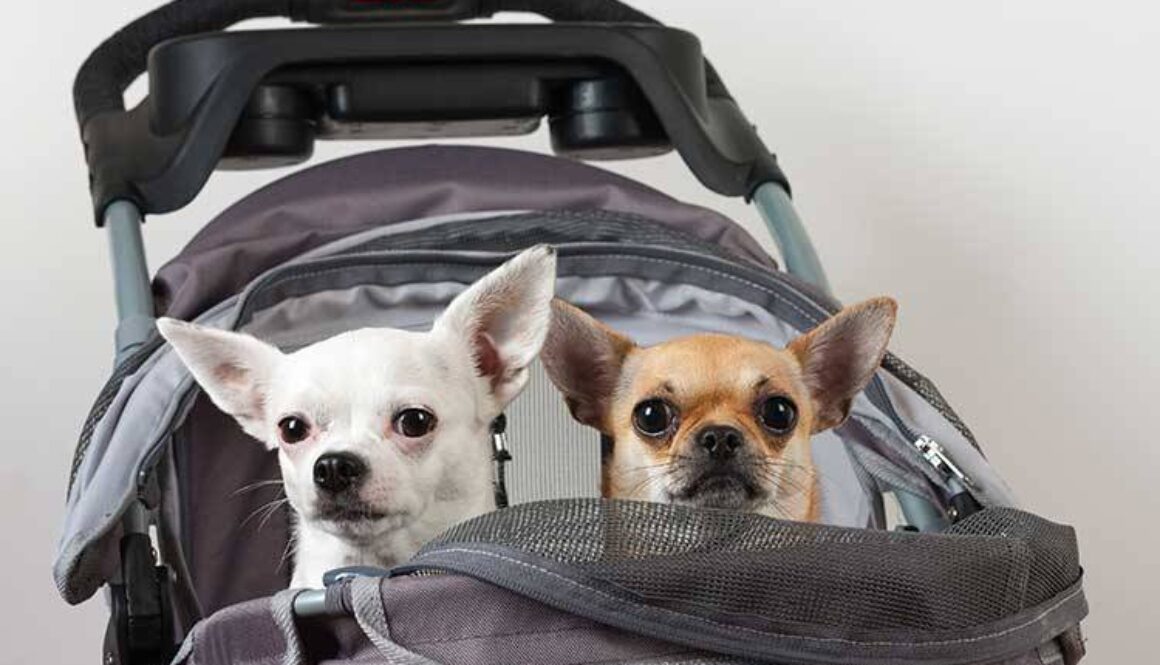
If you share your home with small dogs, then using a dog stroller has probably crossed your mind. Basically, a dog stroller is a dog crate on wheels, which makes sense to use if pet owners need to transport their dogs. Dog strollers are available in different sizes, heights and styles, and can be useful in the right situation. Check out these tips for using a dog stroller!
Using a Dog Stroller
Small dogs need a bit more TLC when walking in public, as strangers can easily trip over or step on them. This is when using a dog stroller would be convenient.
When using a dog stroller, ensure your dog is safely secured by using the tie out available inside the carrier compartment. It’s best to attach the tie out to a dog’s harness and zip the top of the stroller closed to prevent your dog from jumping out.
Dogs that are uncomfortable around other dogs, people or new situations might bark at the sight of them. If this is the case for your dog, you can try using a visual barrier, such as a towel, to reduce barking behavior. However, if your dog is still anxious when riding in a stroller, it’s best to hold him instead.
Choosing a Dog Stroller
Most dog strollers are made of soft-sided material with see-through mesh. There are pet strollers that have solid sides as well, which would work as a visual barrier for barking dogs. Tossing a towel over the mesh part will also prevent your dog from peeking out and barking too.
Taller dog strollers, that resemble human baby strollers, seem to work best for most people since pet owners don’t have to bend over excessively. Plus, taller strollers will prevent strangers from bumping into your dog and keep other dogs from walking up to your dog. Whichever stroller you choose, they remain level at all times unlike when you’re transporting your dog in a crate or carrier.
Best Place to Use Dog Strollers
Use a dog stroller anytime a small dog needs to be transported. Visiting the vet’s office is the best placeto use this tool because it keeps small dogs safely contained until they’re at the vet exam. When bringing two or more small dogs to a vet’s office, it’s probably best to separate them into two different strollers. If that’s not possible, hold one dog and leave your other dog in the stroller. Dogs should feel relaxed and safe while contained in a stroller. It’s best to keep plenty of distance between your dog and other dogs at all times even when using a pet stroller.
How to celebrate the holiday’s spooky fun without freaking out your dog.
Photo credit: mdmilliman/iStock
We’re fast approaching the spookiest night of the year for dogs (and cats). Halloween can be particularly difficult for our dogs, who are assailed with new noises, doorbells ringing, and scary kids in costumes. This is a stressful time for animals, but with a little planning, you can make it an enjoyable and stress-free holiday for your four-legged family members. Here are my tips:
Leave the Trick-or-Treating to Humans
You might think your dog loves heading out to see all of the children dressed up in costumes, but the truth is, you’re putting your dog at risk to be injured, your neighbors at risk for being bitten and yourself at risk for a lawsuit.
As much as we love to celebrate Halloween, our dogs might not be as enthusiastic when it comes to crowds, unruly children and loud noises. Photo credit: Dean_Fikar/iStock
This is the time of year that your dogs are most likely going to be happier indoors, away from noise, and out of range of doorbells being rung for hours on end. Consider crating your dog during this stressful time, or putting her into a room with a Kong toy and some relaxing classical music (although my pets prefer Enya).
By the way, if you’re looking for a great way to keep your kids visible, the pet industry has some of the best products on the market. Check out the PupLight, which you or your child (or your dog) can wear for easy nighttime illumination and visibility for up to a mile.
Train Your Dog to Ignore the Doorbell
Training dogs not to react when the doorbell rings is one of the greatest things you can do for them. The best way to do this is to start when they’re puppies and help them grow accustomed to noises gradually. However, if your dog is already reactive, you can help in several ways. My website, PetsWeekly, has a detailed training method that can help you teach your dogs to ignore the doorbell. It’s important to start now.
Beware of Candles
Candles go hand-in-hand with All Hallows’ Eve, but it’s very important you avoid the use of candles if you have pets. This is especially true if you do decide to have your pet to wear a costume—a dog need only brush against an open flame or wag her tail the wrong way to catch fire.
Rather than using candles, consider using flickering LED lights to illuminate that jack-o-lantern. Technology has given us some cool replacements for candles.
Costumes or Paint
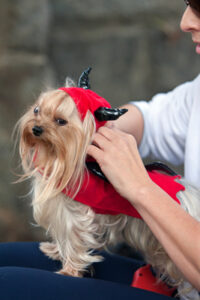
When it comes to costume safety, the best dog outfits are those that do not hinder a dog’s legs, cover the face or flair out on the sides. Photo credit: BluIz60/iStock
Ideally, you should prefer your dog in her natural state, but if you do feel the need to dress her up, remember that her dog costume should be made with the same care as those for children (I recommend dressing your dog during the calmer time of day, taking photos and then removing the costume). Costumes can be quite stressful to dogs and if you’re in the Southwest, they can also be very hot and could cause heatstroke.
The best costumes are the most minimal, such as a bowtie that clips to the collar, a lion’s mane or a simple coat to stay warm. If you really want to put a costume on your dog, be sure it’s safe, made from fire-retardant material and can be easily removed in case your pet becomes distressed.
Another less-stressful option is specialty, nontoxic pet paint. The paint usually wears off after a bath or two, and the easiest-to-use versions are available as a spray or coloring pen. Never, ever use paint or dye that isn’t specifically designed for pets (and never use any type of paint on birds or reptiles).
Keep Treats Out of Reach
There are so many toxic products that dogs can get into during this time of year, that I am unable to list them all. You must find a way to keep candy and other dangerous foods out of your dog’s reach. This often means discussing the dangers of leaving candy lying about with your kids and housemates.
Halloween means chocolate–lots of chocolate–as well as other treats that are dangerous to dogs if ingested. Make sure to keep any and all human treats out of your dog’s reach. Photo credit: Fiantas/iStock
Pet Poison Hotline is a great resource to keep on hand—there are apps for your cellphone and iPad, as well as a special number to call in case of emergency. Calls cost $39 but might save you an expensive emergency veterinarian fee if you call them first.
Keep Deadly Decorations Out of Reach
Decorations are very dangerous for pets. Whether it’s decorative corn, glow-sticks, plastic party pieces or wires and cords, decorative items present choking hazards and the possibility of bowel obstructions, not to mention possible burns or electrocution.
Wrappers are also a favored danger by pets because they make noise, smell wonderful and humans always seem to leave them lying around. Keep a close eye on your kids and make sure they are properly disposing of candy wrappers and any leftover pieces of candy that fall onto the floor.
ID is Imperative
It is particularly important that your pet is microchipped, wearing proper ID and is up-to-date on vaccinations during Halloween. This is a great time to make sure the microchip register has your current information. You might consider registering your dogs’ microchips at Found Animals, where a grant has helped make this free nationwide registry available to all pet owners (no matter what brand of chip your pet has).
About the Author: Stacy Mantle is a fulltime freelance writer, bestselling author and founder of PetsWeekly.com. She resides in the deserts of the Southwest with a few dogs, several cats and a very understanding husband.
Every summer, dog owners contemplate giving their pets a short haircut so they don’t suffer in the heat. Surprisingly, dogs with long coats can still be comfortable in the heat if they’re groomed well. Before you take your dog to your nearest dog grooming salon, learn the purpose of a dog’s coat and your grooming options.
Dog Coats Serve as Insulation
In most cases, a dog’s coat is used to regulate his body temperature by serving as insulation against the cold and heat. During hot temperatures, dogs begin shedding their undercoats. You can help with the shedding process by brushing your dog’s undercoat. The outer coat protects your dog’s skin from harsh sun rays.
Shaving Your Dog Isn’t Necessary
Shaving is often the solution most dog owners turn to when their dog’s coat is matted. Matted coats trap heat and moisture, causing redness, irritation and odors. Rather than going straight for a shave, ask your dog groomer if she can brush the mats out of your dog’s coat. If the coat is severely matted, then it may be beneficial to shave your dog.
Remember, if your dog is shaved without his coat, he will need extra protection from the sun, flies and parasites. Exposed skin is sensitive to the sun, and sunburn is a possibility if you’re not careful. Severe sunburn can lead to several skin disorders. For protection, make sure to apply sunscreen to your dog’s skin.
Trim Your Dog’s Coat Instead
Keeping your dog’s coat trimmed year-round is always the best option. Most dogs need a haircut every two to three months. Fluffy dogs like Poodles and Bichons will need to be groomed every month.
No matter what length you decide is best for your dog, always provide your dog cool water in the heat of the summer.
Do you have your dog’s coat shaved or trimmed? Sound off in the comments below!
A recent international poll found 61 percent of pet owners would not evacuate during a disaster if they could not bring their pets with them. In 2006, Congress addressed this issue by passing the Pets Evacuation and Transportation Standards (PETS) Act, which requires state and local emergency management agencies to make plans that take into account the needs of individuals with pets and service animals in the event of a major disaster or emergency.
Disasters can happen anywhere at any time. Natural disasters like hurricanes, tornadoes and earthquakes, can occur with little to no warning. Unexpected emergencies, such as fires, often leave families and pets separated without means of communication with each other. The Humane Society of the United States advocates all pet owners to plan ahead to care for their animals when disaster strikes.
How to Prepare for a Disaster
Put a Collar on Your Pet
Put a collar on each of your pets that clearly identifies your pet with his or her name and your contact information. Indoor-only pets should have collars as well.
Photograph Your Pet and Yourself
Take three pictures of you with each of your pets in a well-lit area. You should be able to see your pet’s entire body clearly. The three pictures should be two side-view shots and at least one clear picture of the pet’s face.
Establish a Meeting Area
Talk to your neighbors, family and friends about what they can do for your pets–and what you can do for their pet–if a disaster strikes. All parties should agree upon a location to meet in the event of an emergency. For pet-friendly places to meet, consult with your dog trainer or veterinary assistant.
Create a list of hotels (or friends’ homes) that allow your pet(s) to stay with you in the event of an emergency.
Create an Emergency Kit
You should have one emergency preparedness kit for each pet.
A pet emergency kit should contain:
A three-day supply of food and water stored in airtight containers
A sturdy pet leash or harness (or a suitable carrier if you have a small dog)
Extra feeding and watering bowls
Current photos and a physical description of your pets, including identifying markings, microchips or tattoo numbers
Any medications your pet may be taking, vaccination records and basic first aid supplies (ask your veterinary assistant for advice regarding basic first aid needs)
Suitable bedding and comfort items (e.g. a special toy or blanket)
Carrier large enough for a cat to use as a temporary apartment for several days
Each emergency kit should be kept in a place where it can be easily accessed. Do not leave pets unattended at any time while traveling in an evacuation situation as they may be experiencing fear and anxiety for which you–the pet owner–may be the only comfort for them.
What if a disaster requiring the evacuation of your pet occurs while you aren’t home? Make arrangements well in advance for a trusted neighbor, friend or veterinary assistant to collect your animals. This person should be familiar and comfortable with your pets, know where they are likely to be in your home, and know where their emergency kits are located. Discuss a specific location with your friend to meet after an evacuation.
If you own horses or other farm animals, you should contact your local humane organization, agricultural extension agent or local emergency management agency to provide you with information about your community’s large-animal disaster response plans.
Summer is near, which means your dog will be spending more time playing outdoors. As enjoyable as it is for your dog to romp around outside, there is potential for him to get a bee sting.
Bee and wasp stings not only cause pain and swelling, but they can also be deadly if your dog experiences an allergic reaction to the venom. Dogs often get stung by bees and wasps when they play with them. They usually get stung on the head, face or inside their mouth. If your dog gets stung by a bee, treat it with the tips below.
How to Treat Bee Stings
Remove the Stinger
The first step to treating bee stings is removing the stinger if you can see it. Stingers in the skin can pump venom into the body. Wipe or scrape it off using your fingernail, knife or even a credit card. Never use tweezers, as it could force more venom into your dog.
Assess Your Dog
The next step is to assess your dog. A single sting generally won’t pose much of a concern. The severity of the reaction will depend on the type of allergic reaction your dog may be experiencing.
The most severe signs, such as rapid breathing, wheezing, vomiting and/or having pale gums, may indicate an anaphylactic shock. Anaphylactic shock is a condition caused when there is insufficient blood circulation. It is vital to get your dog under the care of a veterinarian if symptoms such as these are apparent. Death from shock can occur if not treated immediately.
Apply an Ice Pack or Cold Washcloth
As long as your dog’s breathing is normal, there are several remedies to alleviate the pain and swelling. Applying an ice pack or a cold washcloth against the swollen area may help reduce inflammation and soothe the pain.
Use Benadryl
Another option may be to treat with an over-the-counter antihistamine like Benadryl. Benadryl can decrease swelling and should be noticeable within 20 minutes. For the dosage, please check with the veterinary assistant at your local vet office.
Flush the Stinged Area
If the sting is inside the mouth, try offering ice cubes. You can also try flushing the area with a teaspoon of baking soda mixed in a pint of water. A turkey baster works well for this, but make sure your dog doesn’t inhale the liquid. With stings in the mouth, your dog’s appetite may be affected. It may hurt your dog to chew so softening the food may help. By day two, his regular diet should resume. If it does not, schedule an appointment with your veterinarian.
Treating Hives
There’s a chance your dog may have a hive-like reaction where he experiences itching all over his body. Cold water soaks or oatmeal baths can help relieve the itching. The hives should be gone within 24 hours, and sooner if treated with an antihistamine.
The pain dogs experience appears to be similar to the pain humans feel. It was previously believed pets had a high tolerance of pain and that pain kept dogs quiet so they could heal. In addition, it was thought there was no real way to know if a pet was in pain or not. Over the last 10 years, the idea of pain management in dogs has changed. Like humans, pain not only can shorten a dog’s life, but also reduce the quality.
Pain management does not necessarily mean the use of drugs. Like humans, physical therapy, vitamins, weight loss and other lifestyle changes, such as more exercise, can make a difference to lessen pain.
Types and Symptoms of Dog Pain
There are two types of pain including:
Acute pain: Comes on suddenly due to an infection, surgery or injury. This type of pain usually only lasts until the reason for the pain has been identified and treated.
Chronic pain: Longer term and can be slower to develop. Old age problems, such as illness, arthritis, cancer and/or bone disease, can lead to chronic pain. Since this type of pain could have developed over time, the dog may have developed a tolerance and learned to live with it.
Symptoms of pain in your dog include: silence, listlessness, whining and crying. Biting or licking at one spot of the body could mean there is a problem as well. Acting out of character, looking for a lot of attention, trouble eating, sleeping or getting comfortable are also signs your dog is in pain.
The most effective way to manage pain is by preventing it before it starts. That may only be possible with elective types of surgery, such as spays, neuters, orthopedic procedures or mass removals. For that type of pain, giving medication would serve as the best pain management.
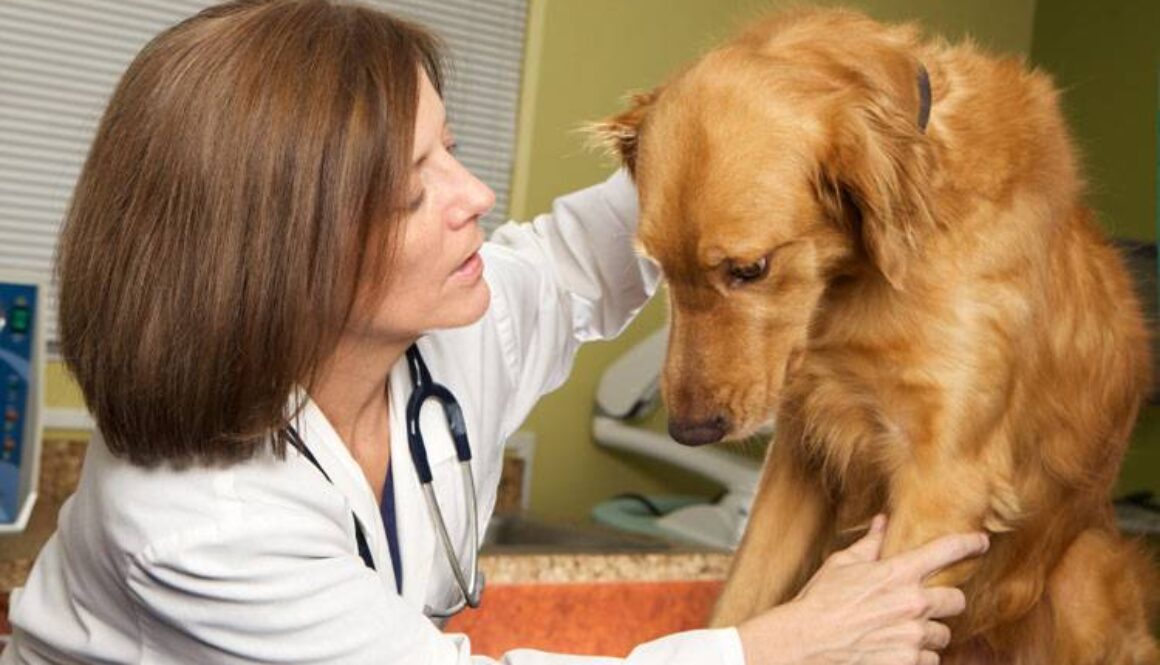
If you think your dog is in pain, a complete physical will be needed so your veterinarian can figure out what is wrong and give you several options to choose from. A physical exam can include X-rays, blood tests, lab work or even a scan. After that, your veterinarian may ask you about your dog’s appetite, movements, attitude and behavior. It’s important to disclose as much information as you can to help your veterinarian diagnose your pet and provide the best form of treatment.
Types of pain medication include:
Pills
Liquids
Skin Patches
Gels
Non-steroidal anti-inflammatory medications (NSAIDS) are commonly used for many types of orthopedic pain. For joint health, there are non-pharmaceutical compounds and neutraceuticals. Glucosamine and chondrotin help joint inflammation that is common with old age or joint disease. Keep in mind the side effects and the time needed for each treatment option, including the risks versus the benefits of each option. Alternative pain management, such as massage therapy, holistic medicine and acupuncture, is also an option.
If your dog has had surgery, pain management can help with rapid healing. It is important to follow the veterinarian’s instructions carefully and call if you have any questions or problems. If your pet has been prescribed a pain medication, give it on time and as directed. Keep your pet warm and comfortable plus quiet and relaxed, allowing him to heal with re-injury. Also, keep him from the surgical site, as he’ll lick and/or remove stitches. If needed, a special collar can be obtained from the veterinary hospital. Don’t forget lots of love and attention will go a long way in your pet’s recovery.
Rating A+ The BBB only accredits the business management of a school, not the quality of the curriculum, or training programs.
STATE LICENSURE AND APPROVAL
Animal Behavior College is a private vocational school approved by the Bureau for Private Postsecondary Education (www.bppe.ca.gov) under the California Private Postsecondary Education Act of 2009 and Title 5. California Code of Regulations Division 7.5. Private Postsecondary Education. The Bureau for Private Postsecondary Education approval means that this institution and its operation comply with the standards established under the law for occupational instruction by private postsecondary educational institutions. Institutional approval is subject to continual review and the institution must reapply for approval every five years.
DISCLAIMER
Please be advised that Animal Behavior College (“ABC”) is the exclusive entity authorized to provide certifications and/or degrees from Animal Behavior College. Moreover, such certifications and/or degrees are only conferred by ABC following a student’s completion of an ABC-administered program. No other entity or individual has authority to confer certifications and/or degrees on ABC’s behalf. Any other entity or individual who attempts to do so is acting without express or implied authority from ABC.
GI BILL® TRADEMARK ATTRIBUTION
GI Bill® is a registered trademark of the U.S. Department of Veterans Affairs (VA). More information about education benefits offered by VA is available at the official U.S. government Web site at https://www.benefits.va.gov/gibill
Animal Behavior College, 27509 Avenue Hopkins, Santa Clarita CA 91355-3910 Contact Us