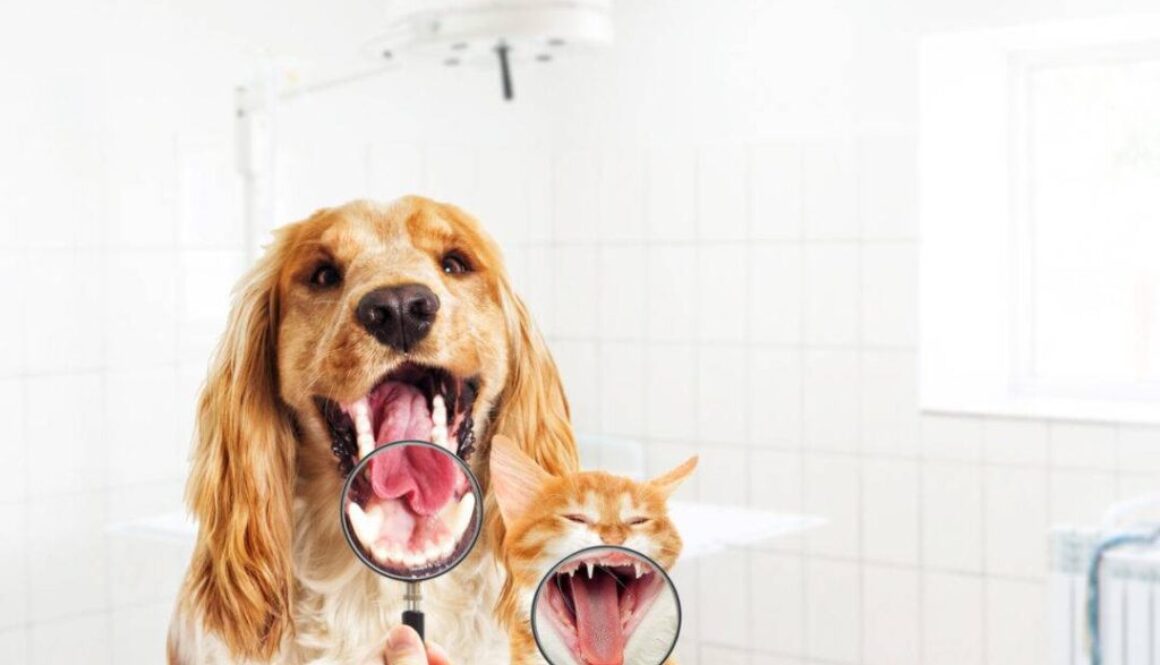
The Importance of Dental Cleanings – National Dental Month 2019
Good oral hygiene is directly tied directly to a pet’s overall health and longevity. February is advertised at Pet Dental Month. It’s a great opportunity to take advantage of deep discounts offered by veterinarians on dental cleanings and check-ups as well as a wide variety of products that promote a healthy mouth so that pets can have a great dental routine year-round.
Dr. Jan Bellows, a Diplomat of the American Veterinary Dental College, and a prominent canine orthodontist, believes good dental hygiene can increase a dog’s life span by as much as a third.
“When a client asks me how long their puppy will live, I usually respond 15-17 years if you brush their teeth daily … 11-13 years if you don’t,” he said.
The relationship between good dental hygienic and longevity is a straight forward one. Bacteria that builds up in the mouth doesn’t stay there but is ingested when a pet eats and works its way through the dog’s system. In severe cases of periodontal disease, the bacteria can also enter the blood stream. Consequently, bacteria that started out in the mouth can result in heart disease, kidney and liver failure and has also been directly linked to diabetes.
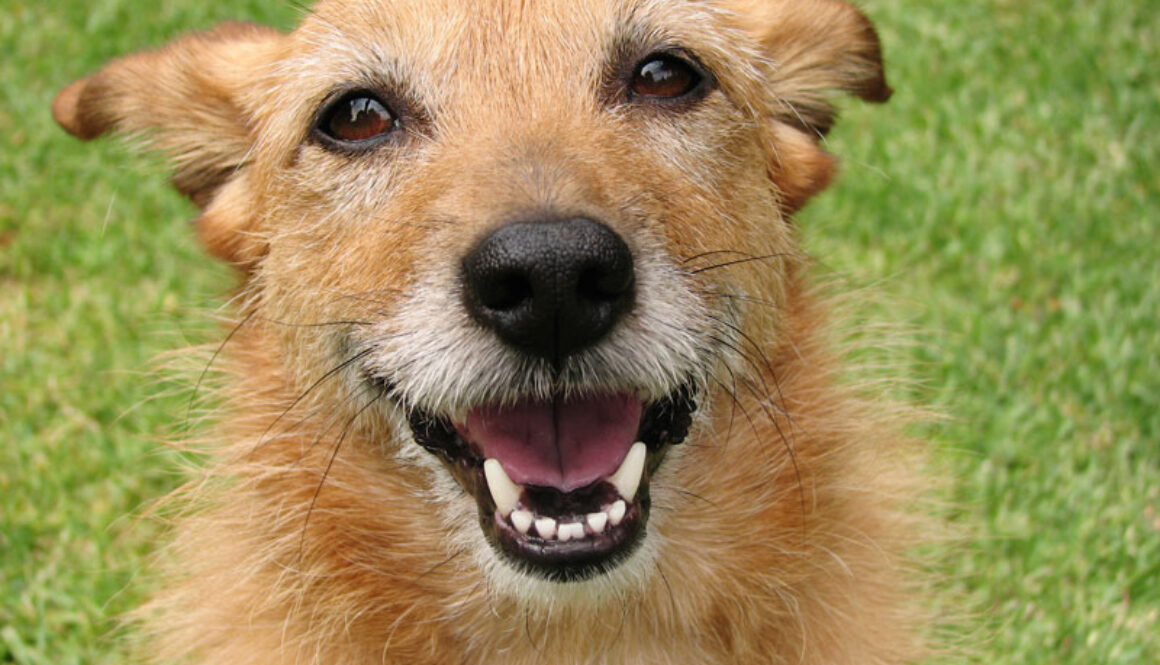
According to the American Veterinary Dental Society, 80%of dogs show symptoms of oral disease by the age of three. Similarly, 70% of all cats over the age of three years suffer from periodontal disease. Not only is periodontal disease very painful but as with people, it’s completely preventable.
The first sign of trouble is usually stinky breath. Other signs include decreased appetite,
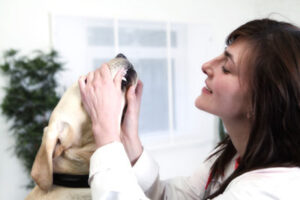
approaching the food and then backing away if their teeth hurt, dropping food and obvious discomfort when chewing, pawing the mouth and not letting you touch their jawline.
The Common Dental Issues:
- Gingivitis is described as inflammation of the gum line as a result of a build-up of tartar and plaque and the accompanying bacteria.
- Periodontal Disease develops when the infection resulting from a tartar and plaque building spreads between the teeth and gums resulting in bone loss and, ultimately, in teeth having to be distracted. Pets can also suffer from swollen gums and mouth tumors.
- FORLs — Feline Odontoclastic Resorption Lesions. In humans, tooth decay causes the tooth to disintegrate from the outside inwards so that the cavity is visible to the dentist. However, the exact opposite happens in cats. FORLS cause the tooth to decay from the inside outwards. Consequently, the damage isn’t visible until it’s very advanced and irreversible, which means the tooth has to be extracted. FORLS are said to be even more painful than human toothache because the decay attacks the nerve. It’s also known as tooth resorption and happens in dogs too!
Brushing Teeth
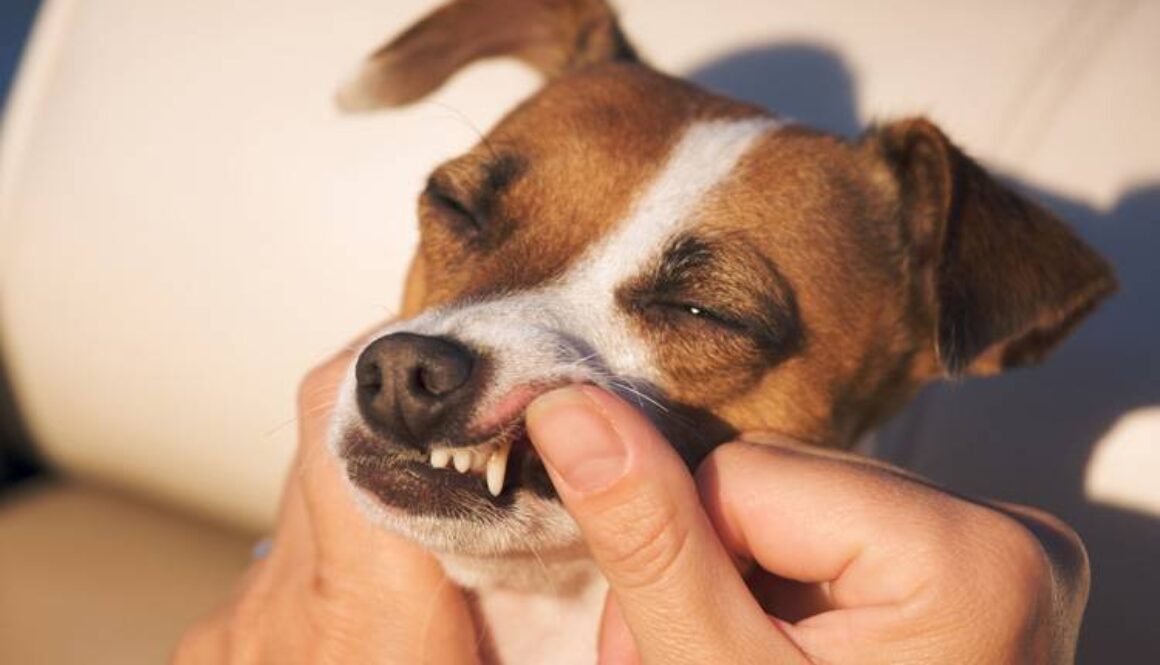
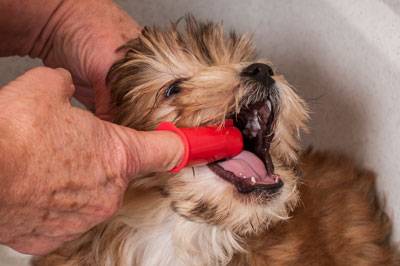
In order to successfully brush a pet’s teeth, they must be comfortable allowing you to put your fingers in their mouth. Go slow and let them build up acceptance slowly. Obviously, you are starting with a puppy or kitten, it will be much easier. There is a large of variety of specially designed dog and cat tooth brushes and flavored tooth pastes.
Cats are not as accepting as dogs. Another tip from Dr. Bellows suggests taking a cotton swab dipped in tuna juice and rubbing it along your cat’s teeth. The mere friction of the cotton swab on the teeth is enough to actively reduce a plaque buildup. Because cats like the taste, you stand a good chance of working your way around the mouth. If not, what you don’t achieve in one day can be done the next!
Treats and Toys
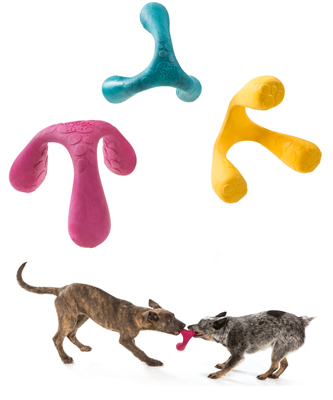
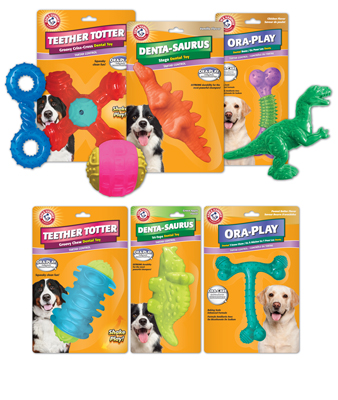
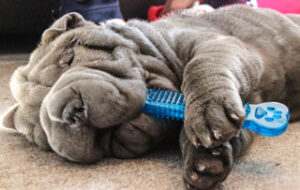
There is also a good selection of treats that also offer an abrasive action to help keep teeth clean of tartar and plaque and a huge variety of toys that exercise the muscles of the jaw and also help to keep teeth clean such as tug toys made from a cotton-styled “floss” infused with mint to help maintain fresh breath too.
Building dental care into your pet’s routine is a great way of enhancing that human-animal bond too. There is nothing like fresh smelling doggie licks and cat kisses.
 Muse is a brand new line of all-natural cat food from Purina, offering 26 delicious recipes including, five With Toppers, five In Broth, two In Chowder, six In Gravy, six Paté and two Dry. All recipes are made with real fish or poultry and contain no corn, soy, artificial flavors, colors or preservatives. All but the In Gravy recipes are grain-free and the dry recipes are also gluten-free. The wet food comes in 3-oz. cans or 2.1-oz. tubs and the dry in 1-, 4- and 9-lb. bags. And, if your cats don’t love Muse, it will refund your money via the brand’s
  Spike™ Grain-Free Jerky for Dogs and Snack Bars for Dogs are part of a new line of treats from Petcurean, a manufacturer of high quality, premium pet food. Each all-natural jerky recipe is made with premium quality novel protein (catfish, grass-fed vension and cage-free duck and turkey) and chia, pomegranate and kale to provide your dogs with nutrient-rich, high-fiber and vitamin-, mineral- and antioxidant-packed treats. The Chicken Meal & Sweet Potato snack bars are individually wrapped for dogs on the go, made with all natural ingredients and packed with meat protein and carbohydrates to refuel your active pup.

 Tomlyn’s Daily Multi-Vitamin Plus Probiotics & Enzymes are soft chews specifically created for cats and dogs of all ages and sizes. The multi-vitamins are scientifically formulated to provide nutrients essential for healthy eyes, bones, teeth, skin, brain and heart, help maintain overall health and keep pets in peak condition. They also are a good source of vitamin E, digestive enzymes, omega 3 fatty acids and selenium. Formula include Chews for Cats, Puppies, Small Dogs, Medium & Large Dogs and Senior Dogs.