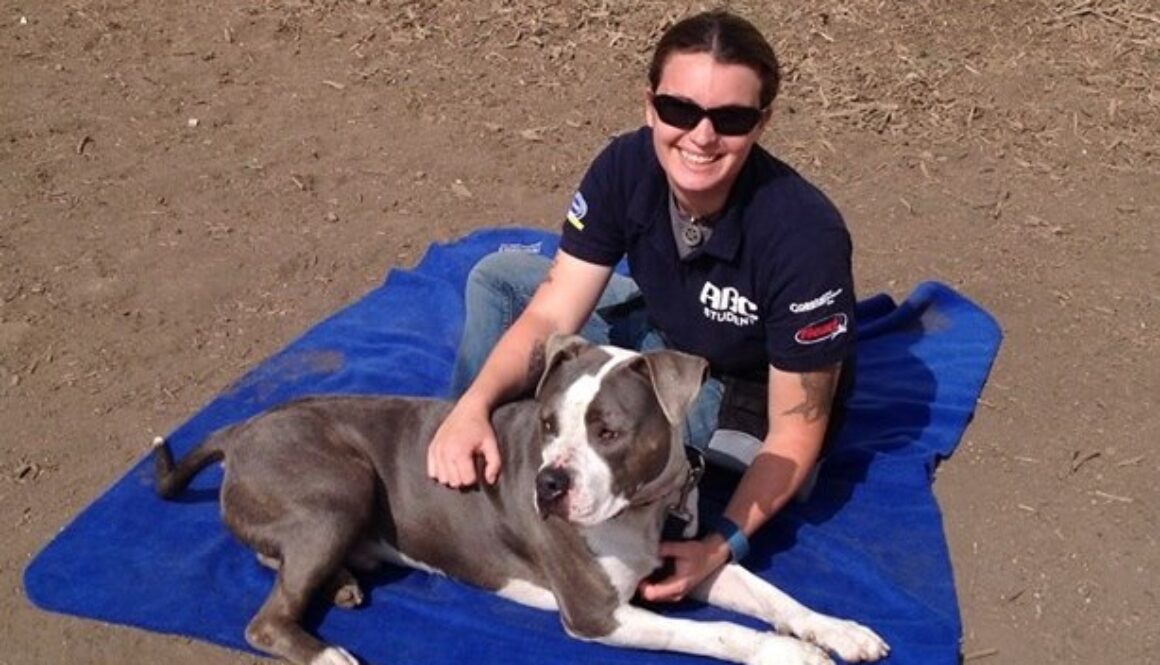
Many would agree that there is nothing like the love of a dog or puppy. With so many canines available, adoption has become a preferred choice for some families. Adopting a shelter dog is one of the most important decisions a family can make. Unfortunately, many base this lifestyle-changing decision on emotions having little to no knowledge about the dog’s breed, temperament, potential behavioral challenges and the financial responsibilities that come along with pet ownership.
When these factors are not considered, many of these furry friends end up either abandoned or dropped off at local shelters. Sadly, there are more dogs than homes to care for them. In fact, the Humane Society of the United States (HSUS) estimates that 3 to 4 million dogs and cats are euthanized in animal shelters every year. One of the major reasons these four-legged friends wind up in shelters is due to untreated behavioral problems, according to organizations such as Pet Finders and the National Council on Pet Population Study Policy (NCPPSP).
October is Adopt a Dog and Adopt a Shelter Dog Month. Animal Behavior College (ABC) encourages responsible pet ownership. Before you adopt, research and understand specific dog breed characteristics and cost factors beforehand, and commit upfront to providing dog obedience training, as it will create a harmonious bond and will decrease the chances of Fido ending up a shelter statistic.
“Unfortunately, many dogs that wind up in shelters have never received training or guidance when in reality their behavioral problems are correctable,” said Steven Appelbaum, president and CEO of Animal Behavior College. “Taking time to provide professional training will ensure many long and happy years together.”
Since dog breeds have different characteristics, it is important to choose a breed that is compatible with the individual or family’s activity level. For example, Airedale Terriers are independent, energetic dogs that have a propensity for digging, chasing and barking. Individuals who enjoy quiet evenings at home and little to no outdoor activity or exercise may find Airedales annoying and too energetic.
ABC offers the following 10 tips on choosing a shelter dog:
Decide what kind of dog you want to adopt by visiting your local shelter. With 25 to 30 percent of dogs in shelters being purebreds, there is a high chance that the breed you are seeking is available.
To help with your decision, research breeds characteristics. Determine if a particular breed is compatible with your lifestyle and personality.
After finding a potential adoptee, inquire about his previous living conditions.
Spend time interacting with the dog in an isolated area or room.
>Observe and note his demeanor around other dogs. Is he aloof? Does he display fear and aggression?
Learn about ongoing medical concerns. Find out if he is taking medication or undergoing treatment.
Find out how long the dog has been in the shelter and the circumstances for his being there. Was he dropped off or abandoned?
Determine necessary follow-up services that may be needed.
Once you adopt the dog, make arrangements for professional training as soon as possible.
With dog obedience training playing an important role in a harmonious relationship with its owner, some shelters have volunteers from programs such as ABC’s Student Saving Lives (SSL) program to provide training to homeless dogs before they are adopted. SSL volunteers enlist more than 10 hours of training to local shelters, humane societies, or rescue organizations for the purpose of addressing behavioral and socialization concerns, giving canine companions a better opportunity of finding a loving home. To become a certified dog trainer, obtain dog training certification, enroll in the Dog Obedience Program (DOP) or to learn more about the college or the Student Saving Lives program, visit our website https://www.AnimalBehaviorCollege.com.
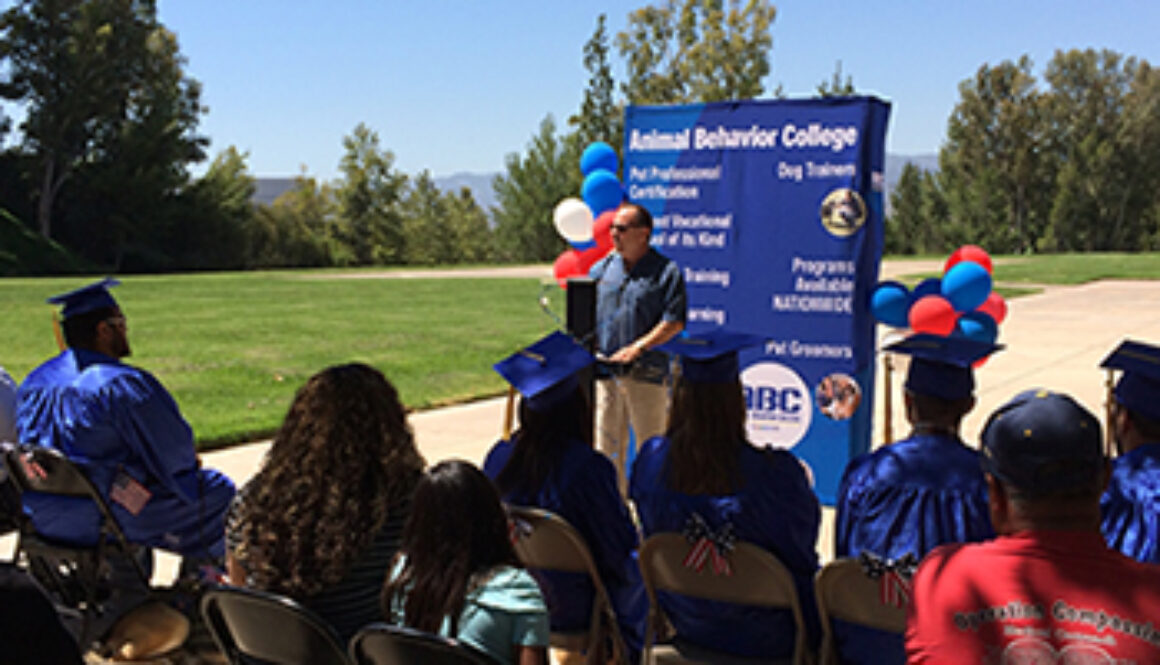
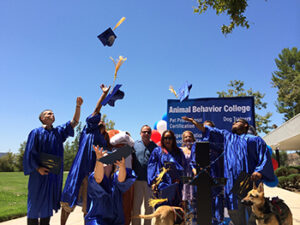
Animal Behavior College celebrated its third graduation class during a commencement ceremony on June 13 honoring the many achievements of its Dog Trainer In-Classroom Program students. The late morning event took place on the grounds of the school’s headquarters located at 25104 Rye Canyon Loop in Mann Biomedical Park, Santa Clarita, Calif.
Dressed in royal blue academic regalia, the enthusiastic graduates, some accompanied by their canine friends, sat composed during the ceremony. Many of the graduates are former military personnel who decided to use the discipline, drive and determination skills they acquired while in the armed services to train dogs professionally, ensuring dogs and their owners enjoy a harmonious and mutually respectful relationship.
“You are professional dog trainers who will continue to make a difference in many lives,” said Steven Appelbaum, president and CEO of Animal Behavior College, to an audience of family, friends and employees of the college. “The road ahead is paved with many challenges. Challenges you are equipped and ready to handle. However, readiness is dependent on your willingness to keep an open mind by expanding beyond your comfort level and maintaining a passion for learning and aspiring to continue to grow professionally.”
Debbie Kendrick, vice president of operations for ABC, also praised the graduates’ accomplishments and joined Appelbaum in presenting award certificates giving special mention to students who graduated from the program with honors. Those students include, Brian Hastings, Irma “Toni” Medina Leitneberg, Breanna Rappleya and Angel Samano Jr.
“Five years ago we came to this school with different expectations,” Angel said during his address. “We have spent the last five months since then learning what it takes to train dogs and their owners and have been given a myriad of tools to use as professionals.”
Beth Harrison, the program’s course instructor, congratulated Angel and his fellow graduates. She provided remarks encouraging them to use their newly acquired knowledge and skills to strive for excellence with the goal of “being the best dog trainer they could be.” Amanda Yocom of Best Friends’ Animal Society and Chris Gant, a former graduate of the college and professional dog trainer, thanked graduates for volunteering in the shelter and inspired them to stay compassionate about helping dogs and working with their owners to ensure a positive owner-to-dog relationship.
The students received certification for mastering various dog training tools and techniques using positive reinforcement for handling canine behaviors. The program covers everything from training basics and safety to effective problem solving and pet first aid. The hands-on portion of the program provides students with an opportunity to participate in an internship at shelters like Best Friends’ Animal Society with a mentor, giving them invaluable practical experience in real life situations.
Angel Samano, with his dog, Bosco, shares how the Dog Obedience Program changed his life
“I have more knowledge and tools at my disposal to continue to serve people in a new way,” Angel said. With his dog, Bosco, at his side, the former Marine lance corporal credits the program with helping him embark on a new and exciting career. “If you had asked me a year ago what I would do (after the military), being a dog trainer wouldn’t have been on the list. ABC has not only helped to change my life, but has helped to change Bosco’s life.”
Pets today are living longer, eating healthier and receiving more services. In fact, the jobs forecast for dog trainers and other animal care and service workers in the U.S. appear promising. The U.S. Bureau of Labor Statistics predicts employment will grow 23 percent from 2010 to 2020, faster than the average for all occupations. With more people in the U.S. owning dogs (35.5 percent or 43,346,000), ABC certified dog trainers have the option of working for an established company or building their own successful dog training business.
To learn more about the program visit Dog Obedience Instructor Training Program or call 800-795-3294.
Undesirable behaviors like avoiding the litterbox, spraying, excessive scratching and other aggressive behaviors leave many owners frustrated and prevents prospective owners from adopting a cat altogether. Interestingly, what most people find surprising is that, like their dog counterparts, cats can be trained. June is “Adopt a Shelter Cat Month” and Animal Behavior College (ABC) is commemorating the occasion by offering a Continuing Education Program (CEP) on cat management and training.
With millions of homeless cats euthanized in animal control pounds and shelters each year, ABC’s goal is to educate students, graduates and the public about this issue and dispel the many feline myths and stereotypes.
Since cat adoption information often does not discuss, convey or encourage cat training, there is an immense misconception that they cannot be trained. This misunderstanding leaves many owners and prospective owners believing they must tolerate negative behaviors. Unfortunately, this lack of knowledge leads to a greater number of cats landing in shelters with very few being adopted.
The Cat Management online CEP teaches students proper socialization techniques. With more than 40 percent of dog owners also having cats, basic behavior training is essential to ensure a harmonious and happy environment. ABC’s professionals master techniques and demonstrate ways for developing and ensuring positive human-to-feline and feline-to-canine relationships. Learning cat management and training can also be a profitable venture for pet professionals in a variety of fields.
“Since cats are generally more independent than dogs, the belief is that this somehow renders them incapable of being trained,” said Steven Appelbaum, president and CEO of Animal Behavior College. “Feline education programs equip professionals and owners with the information they need to help cats that may otherwise be re-homed or abandoned.”
With pet cats outnumbering dogs, learning how to train, manage and treat cat behaviors can be lucrative. There are 83.3 million dogs in the U.S. compared to 95.6 million cats, according to the American Pet Products Association (APPA). Increasing the public’s knowledge and understanding about cat behaviors encourages more adoptions that could save a shelter cat’s life.
The Cat Training and Management CEP program teaches students and graduates cat behaviors, training techniques and common commands. Additionally, they learn how to interpret feline body language and vocalizations and positive ways to address problem behaviors. The program
imparts an array of fun, stimulating behaviors like teaching a cat to roll over and jump through a hoop, too.
ABC graduates and students can learn more about the Cat Training and Management CEP and other CEPs by visiting the website at www.AnimalBehaviorCollege.com
or calling 1-800-795-3294.
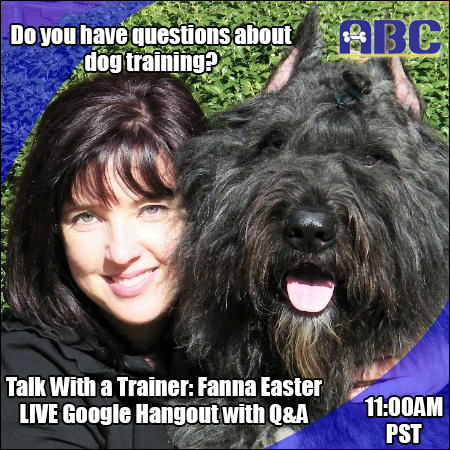
Professional dog trainer Fanna Easter of Dog Training Nation joined us for a very special “Talk with a Trainer” Live Hangout event.
Fanna Easter has been instructing dog training classes for 22 years with a special focus on family dog manners. With her past experience as PETCO’s National Dog Training Expert for five years, Fanna is very passionate about the power of positive reinforcement for dogs and humans! Fanna and her team developed and launched positive reinforcement training methods in all of PETCO’s 1,500 stores and trained over 2,000 dog trainers.
Fanna is currently teaching at Dogs and Kat Training Center in Nashville, TN. She teaches Positive Puppy Manners, Basic Manners, Canine Good Citizen, Intro to Rally Obedience, Nosework and Relaxed Rovers classes.
Join Us Live at 11:00am PST – Dog Training Pro, Fanna Easter Live Google Hangout on Google Plus – 5/23/2014
This event takes place at 11:00am (PST) on Google Hangouts.
If you need assistance setting up a Gmail account to join Google Plus, watch the video we have provided below:
Once you have signed into Gmail, you can find the Live Hangout by following the instructions found in the video below:
“Students Saving Lives” was started by Debbie Kendrick, Vice President of Animal Behavior College, in 2004. Our mission is to train dogs in shelters in hopes of helping them become more adoptable and less likely to be returned to a shelter in their life. Obedience training for dogs is a key component to a happy and fruitful life.
At ABC we ask each student in the dog training certification program to volunteer ten hours at a local animal shelter or rescue to train shelter dogs. Since its inception in 2004, the Students Saving Lives program has collectively donated over 100,000 hours of time to training dogs in shelters.
We are passionate about helping dogs and cats find their forever homes. Please adopt a pet don’t buy one. Find out more about Animal Behavior College’s Dog Training program at v2.animalbehaviorcollege.com/
Animal Behavior College Offers Continuing Education Programs
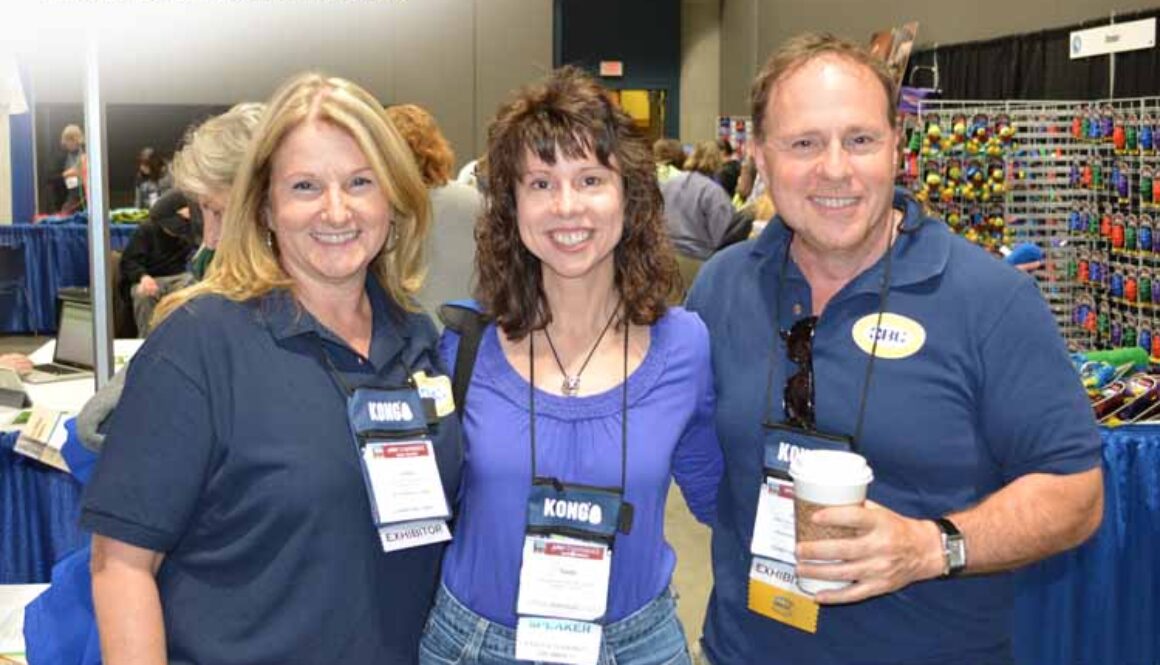
At Animal Behavior College it is important to us to attend trade shows throughout the U.S. for many different reasons. Each show has specific industry experts and professionals that we love to connect with. Many times trade shows provide a great opportunity to build relations with new Mentor Trainers and be introduced to program instructional techniques that we can incorporate into the ever growing curriculum’s for the ABC Certifications. Trade shows are also a wonderful chance for industry career professionals to purchase Continuing Education Programs at a wonderful discount, up to 50% off.
After completing your certification consider one of the 6 great, Continuing Education courses offered by Animal Behavior College:
Training Shelter Dogs
This Continuing Education Program (CEP) will teach you how to approach shelters and their staff, appropriately and professionally, to assist in identifying dogs with the potential to be adopted. You will be able to consult and advise them on defensive handling and safety, understanding shelter stress points and assessing canine behavior. This CEP will also teach you to demonstrate building drive in shelter dogs, pet health and consideration, labeling training goals and challenges, circumventing behavioral issues, training dogs for a family setting. You will be given the skills to:
Identify shy or fearful conditions
How to properly work with aggressive dogs
Charting and keeping records
Facilitating an assisting in adoptions
Act with ethical and professional conduct
This course will provide certified trainers with the knowledge and skills needed to start a shelter training program. You will have the ability to rate dogs’ social skills, how they handle tolerance, barrier aggression, food aggression, and resource guarded thresholds. These skills combined with the Assess a Pet & ASPCA Meet Your Match Safer tools, will enable you the trainer to become an ASPCA Tester for Shelters throughout the U.S.
The Art of Selling Private Lessons
Private in-home lessons are quickly becoming the most popular among professional trainers in the dog training industry. In this Continuing Education course you will learn how to out-sell your competition and develop successful training lessons every time. Your knowledge of how to obtain clientele and conduct efficient private lesson will assist you in maximizing your potential income as a dog trainer. This course will cover imperative topics such as:
Sales techniques and tips
Understanding communication styles
Diverse types of lesson plans and training packages
Developing your class routine
How to teach off-leash behaviors
Client compliance
The Training Shelter Dogs CEP will maximize your effectiveness as a professional certified dog trainer. Training Shelter Dogs also includes advanced tips for marketing yourself and your business locally in your community. This Continuing Education Program will provide you with an increased proficiency and aptitude in administering effective private lessons within a client’s home, at a local park or at your own facility.
The Pet Sitting & Dog Walking CEP discusses how to properly work with and care for pets with fur, feathers, scales, and more. Topics range from identifying and understanding body language, canine, feline and avian behavior, basic nutrition an hygiene, creating mental and physical stimulation, building relationships with animals and the people who love them, personal and home owner safety, maintaining consistent scheduling, walking dogs calmly on a leash, building your clientele, sample client forms, insurance and more! Pet Sitting & Dog Walking are sought after skills that provide differentiation to any established pet trainer’s business.
Cat Management & Training
Many households have both a cat and a dog or multiples of them. Since cats out number dogs throughout the United States, learning how to manage and correct cat behaviors can be a profitable venture for pet training professionals. This course will teach you the proper socialization techniques for developing a healthy feline-to-trainer relationships, as well as feline-to-feline and feline-to-canine interactions. You will learn how to read and interpret feline body language and vocalizations. This course also teaches how to teach basic behavior training cues (i.e. sit, stay, come) and how to address problem cat behaviors like: scratching, spraying, and howling. This course will provide the trainer with the ability to teach cats “fun” behaviors, such as roll over, tightrope walk, hoop jumping, and more. having the skills to train cats is a big advantage for dog trainers and veterinarians. By completing this course you will gain invaluable knowledge necessary to help your client pet owners solve unruly cat behaviors and issues.
Pet Nutrition and Diet
This Continuing Education Program discusses basic nutrition, the regulations governing commercial pet foods, and the nutritional needs for both cats and dogs. In this course you will be taught to read pet food labels including the importance of:
Carbohydrates
Fats
Proteins
Vitamins
Minerals
Protective nutrients
You will also learn about the different types of diets (i.e. dry food, canned food, raw foods, and supplements) and how food can play a huge role in a pet’s behavior. After the competition of this CEP you will know how to educate your clients on providing their animals with the best nutrition based decisions for their pet’s age, weight, and health condition.
Pet Massage
The Pet Massage CEP gives pet groomers, dog trainers and veterinary staff the skills to calm each pet they interact with. The ability to soothe and calm dogs and cats through touch improves the human-animal relationship and promotes trust bonding. Pet groomers have the benefit of having a calm animal on their grooming table which allows them to move swiftly through the process of grooming without the problems that heavy-handed groomers experience. Veterinary assistants are able to minimize discomfort and pain, while helping pets recover from injuries and soothe the aches of the elderly. Dog trainers will have the ability to create a more positive training experience, because they will have an enhanced knowledge of canine anatomy and acute awareness of touch points. Pet massage is a growing occupation. The completion of this Continuing Education Program can also open the door to operating a profitable pet massage business. This CEP will cover information on:
General anatomy
Physiology
Principals and concepts of a pet massage
Setting up your work space
Preparing to administer a pet massage
How to develop a pet massage business
The Pet Massage CEP course also includes step-by-step instructions that will guide you through the details of a pet massage session, (for many animals of different species and size).
ABC enjoys meeting with our students, graduates and mentors at the trade shows. This is a wonderful opportunity to meet, greet, and obtain feedback on the programs from our students and Mentor Trainers. In February 2014, Animal Behavior College will be attending the Western Veterinary Conference and the Groom & Kennel Expo.
*All CEP programs will be offered at a 50% discount to those attendees who purchase a Continuing Education Program at the shows.
I was recently reading an article on Dogster.com that spoke about tail docking and ear cropping. This article posses the question, is it cruel to crop ears and dock tails of animals?
As I read through the article there were some valid points made as to why it is cruel, and also why people shouldn’t allow these things to happen. More specifically the article touches on the fact that many breeders fear they will sell less of their dogs, if not adhering to the common practices and traits of the dog breed that they sell.
What is wrong with this picture?
Is it ignorant of people to consider tail docking a cruel act, when in fact the breeders are creating dogs that are not needed, as millions get euthanized for the lack of space in shelters? 30% of dogs in shelters are pure breeds.
I personally think a bigger concern than docking tails, should be…
Why do breeders continue breeding dogs, when there are so many who are killed everyday?
In this article the author has cited information based on opinion from a so called expert breeder, who is the second generation in breeding. After thirty years in the dog breeding business, one would think it is time to stop breeding animals and consider alternative means to making a living or livelihood.
This nation, and this industry, cannot continue to bare more dogs being bred for the vanity of “potential buyers.” If breeding continues, then so will euthanization of so many unwanted pets. We as a people who love animals, especially dogs, cannot expect to see the epidemic of animals being put down daily to ever reach a slow or progressive movement in the right direction as long as breeders continue breeding and ignorant people continue buying dogs from breeders.
Why do breeders continue breeding dogs?
#Adoptdontbuy – Please Adopt Your Pets, Don’t Buy Them. =)
Heather Branch moved from the East Coast to California to chase her acting dreams. She soon became a familiar voice in Los Angeles. For six years she worked as a traffic reporter, delivering early morning and late afternoon radio reports on the state of the rush time commute. Then she realized that she wanted something different.
It was a hectic life, and although her early dreams had been focused on the acting industry, she found herself asking what really made her happy. She says, “When I came home from work every day, my dog Izzy was so excited to see me. I thought I wanted more of this in my life.” So she enrolled at Animal Behavior College to become certified as a dog obedience trainer and as a vet assistant. She quickly became certain this was the right course for her life.
Heather mentored with a dog trainer and interned at a vet office, but she was mainly interested in pet sitting. A pet sitter she found through NAPPS for her own animals was absolutely wonderful and Heather wanted to emulate her. Worried about stepping on toes, she called Debra Turk of All 4 Your Paws and asked about the business. Debra offered to let Heather work for her to get her feet wet and see if it was the right fit for her. Heather says, “She had been pet sitting for ten years and was wonderful. Having her teach me was amazing!”
The Beginnings of Best Friends Forever
There was no doubt that Heather loved the work and she knew the right thing for her was to start her own business. After two years of working for All 4 Your Paws, Debra suggested that Heather buy her business and they merge. This would allow Debra to focus on some other things in her life while still caring for some longtime clients. Heather jumped at the chance.
In January 2011, Heather set up her own LLC for Best Friends Forever Pet Services focusing on the San Fernando Valley of Los Angeles, California. It was a gradual year-long process to transition the company. At first the change was minimal, with Heather focusing on the business end and very little changing for clients.
After the transition was complete, Best Friends Forever had a grand opening party to rebrand the business. She rented a room at the local animal shelter and had a raffle to benefit the shelter. It was also a celebration. There is no doubt the merging was a success. The business grew 130% between 2011 and 2013.
Creating Success
Heather feels her success is due to that fact that she laid the foundation for her work. Rather than jumping fully in, she took the time to learn. She spent two years learning with Debra as well as putting in the work for her college certifications and for NAPPS certifications. She felt it was important to understand as much as possible about all the aspects of the job. Even though some of her schooling may not be exactly what she offers as a pet sitter, all of the information makes her a better sitter. For example, “I knew I wasn’t going to be training dogs, but I wanted to know what to do,” she explains.
She also feels that her success has a tremendous amount to do with her support system. “I knew I couldn’t do it alone and I didn’t want to do it alone,” says Heather. Having Debra made it all possible, but she has other help as well. Her husband, Scott Burt, is co-owner of Best Friends Forever while also working as an airborne traffic reporter. It isn’t unusual for Heather to hear the rush hour run down from her husband on the radio, but having a full-time job doesn’t get him out of helping. He loves pet sitting as well and often helps. “Sometimes we do jobs together, and that’s our date night,” Heather says, laughing.
Best Friends Forever has other staff as well, though, and Heather says that she is always on the lookout for potential staff, which has made building a team much easier. “The largest challenge is finding good reliable help,” says Heather. “The clients are resistant to meeting new people. They do not want to have to deal with a revolving door.”
One of Heather’s staff members was a fellow classmate she tracked down who was working as a dog trainer for Petco. After talking her into having lunch, Heather was able to convince her to work with her company as it grew. A second member of her staff is a client who became a friend, and when Heather saw potential in her as a pet sitter, she started working for Heather. Heather even has a member of her staff who was a fellow traffic reporter. When she heard Heather was getting into the pet sitting business, she asked if she and her husband could work with Heather part-time, and that has worked out really well. “Everything has gone slowly, but carefully and with observations,” says Heather. “I’m really happy to be providing jobs. We are always looking.”
Defining Your Goals
Best Friends Forever has priorities of “integrity, a spirit of service, cleanliness, continuing education, and charity.” These priorities, in addition to the business’s mission statement, help Heather stay on track. “If you are spiraling out of control you can look at your mission statement and get back to the basics,” says Heather. “If you have it in front of you and can look at it, it puts you back to why you are doing this in the first place and you can figure out where to go from there.”
NAPPS is an important component of meeting Best Friends Forever’s priorities as well. Heather says, “To me NAPPS equaled quality.” She signed up for NAPPS as soon as she started her business and utilized NAPPS resources immediately. “I learned so much even in the first tele-mentoring conference,” says Heather. “They are a must. Using NAPPS formatted paperwork and adjusting it to my needs has been incredibly helpful as well.”
Heather has also found chatting with peers incredibly helpful, whether on NAPPS Chat or in person. “You learn so much just from people chatting,” she says. “Even at the conference, I learned about dog running and lock boxes. Learning about new things coming up is important.”
Advice for New Pet Sitters
Even though Heather got into the business slowly and carefully, there are still some things she would do differently if she did it over again. “I would look into the pet sitting scheduling software. I’m still working those kinks out,” she says. “I would have started with Quickbooks as well. Now I really see the value of it.” Doing scheduling and monthly statements by hand can be incredibly time consuming and she can still find herself up until midnight working on paperwork.
From what she has learned so far, she advises those who are just getting started to lay the foundation and take their time. “Have all the paperwork ready before you open your doors,” she says. “And of course, NAPPS will help you with the paperwork and much more.” She also recommends being licensed, bonded, and insured. “Don’t do pet sitting at any price without insurance,” she says. “Make sure the insurance covers all animals. If you start taking money, you have to be insured.”
Looking at the Future
Right now Best Friends Forever has primarily suburban and city clients who often travel for work. The business caters to the upscale community in the hills as well. Clients include doctors, lawyers and a mix of other professionals. The majority of the services requested are daily dog walks, but Best Friends Forever also provides a lot of overnight sits.
Most of Heather’s clients have dogs and cats, but there are a few unusual city animals in the mix as well. “We’ve even cared for chickens,” says Heather, noting that letting them out in the morning is easy, but putting them back in at night is a little more challenging. “I have video of me herding chickens. It’s pretty funny,” she says.
Her plans are for the business to remain the same at its core, but to keep growing. However, she admits that she and Scott need to take a harder look at their work/life balance. “We need to evolve into having more of a personal life,” she says. “That is a goal of mine in the next year and that will happen by finding more good reliable help.”
For now, though, Heather couldn’t be happier to have moved out of the entertainment business and into the pet sitting business. “I know I’m doing something good because of the love I get from the animals every day. Nothing beats that,” she says. “They don’t care if you’re wearing business attire or makeup. They are just happy to see you.”
One Volunteer at Best Friends Animal Society forms a bond with Pit Bull named Chad
Training Shelter Dogs
Jackie McKenzie is one of the 14 Animal Behavior College students in the On-site classroom program for Dog Training this semester. This specific On-site Dog Training class is held at the Animal Behavior College Valencia, Calif. campus. Every week Jackie and her classmates volunteer at Best Friends Animal Shelter in Mission Hills, CA. Volunteering is a wonderful opportunity for the student dog trainers to receive real-life training experience. Each student works with different shelter dogs that need to improve socialization skills, house training, and better manners. During Jackie’s time at Best Friends she has built a strong connection with Chad.
Chad is an America Pit Bull that Jackie describes as really awesome and sweet. In the past few months Jackie has trained Chadwig (her nickname for the dog) to heel, lay-down, sit, stay, and circle. “He is very easy to work with and he learns fast.” Her first impression of Chad was that he is a bit intimidating. But, Jackie says “once you get to know him he is a lovely dog.” She would love to see Chad get adopted and find his forever home. Jackie admits that working with Chad has opened up her mind to American Bully breeds. Before the experience at Best Friends she did not know how kind and loving the breed can be.
Back in September Best Friends held a fundraiser in Los Angeles called Strut Your Mutt. Jackie and several other students including Hailey Ulrich all participated in the event representing SGT. Mack’s Bully Pack. Together they were able to raise over $1,200 as a team, to donate to Best Friends Animal Society. All the students love Best Friends and really enjoy the opportunity to help train shelter dogs. It is an awesome way for them to gain experience, and it increases the chance that someone will adopt one of these wonderful pets.
Jackie has been a member of the Army National Guard for over 8 years. Her job title has been Military Police since her enlistment. Jackie has done three deployments and visited many countries around the world. During her service Jackie was stationed in Iraq twice and Afghanistan once. She said that deployments were always something that she looked forward to. She enjoys the service so much that she recently enlisted for another 6 years. Jackie has always been an animal lover, ever since she was a child. She grew up on a dairy farm in Michigan. She has a knack for working with dogs. Shortly after she returned from her last deployment her wife suggested that she pursue a career in dog training.
Jackie decided to Google “how to become a dog trainer?” That is how she found Animal Behavior College. Jackie knew that she had the talent be a dog trainer, but wanted the education as a way to add credibility to her future career outside of the National Guard. Her next goal is to develop the hours, time, and case studies needed to become Canine Good Citizen certified. Jackie McKenzie says the skills she has learned in school like: back chaining, patience, and motivation, makes dog training a breeze.
After graduation at Animal Behavior College Jackie plans on moving back to Salem, Oregon. She would like to begin training service dogs for Veterans. Maybelline will be her first service dog. Jackie said that she loves her so much, she couldn’t see not having her forever. Back at home she has 2 other dogs (SGT and Ralphie), 3 cats (Layla, SMAC, and Zumiez), and a snake named Cocooi. She loves to do anything outdoors like fishing, shooting, and camping. Jackie also spends some of her free time playing PlayStation 3 games like Grand Theft Auto or Assassins Creed; and she loves watching Law and Order SVU.
Jackie plans on going back to visit her parents farm for the holiday season. When asked what was it like growing up on a farm? Jackie said “It was one of the best experiences anyone could have.” She has truly done some amazing things in the short time that we got to know her here at Animal Behavior College. We salute you for all your hard word, service, and sacrifices. Great work Jackie. Keep it up.
Rating A+ The BBB only accredits the business management of a school, not the quality of the curriculum, or training programs.
STATE LICENSURE AND APPROVAL
Animal Behavior College is a private vocational school approved by the Bureau for Private Postsecondary Education (www.bppe.ca.gov) under the California Private Postsecondary Education Act of 2009 and Title 5. California Code of Regulations Division 7.5. Private Postsecondary Education. The Bureau for Private Postsecondary Education approval means that this institution and its operation comply with the standards established under the law for occupational instruction by private postsecondary educational institutions. Institutional approval is subject to continual review and the institution must reapply for approval every five years.
DISCLAIMER
Please be advised that Animal Behavior College (“ABC”) is the exclusive entity authorized to provide certifications and/or degrees from Animal Behavior College. Moreover, such certifications and/or degrees are only conferred by ABC following a student’s completion of an ABC-administered program. No other entity or individual has authority to confer certifications and/or degrees on ABC’s behalf. Any other entity or individual who attempts to do so is acting without express or implied authority from ABC.
GI BILL® TRADEMARK ATTRIBUTION
GI Bill® is a registered trademark of the U.S. Department of Veterans Affairs (VA). More information about education benefits offered by VA is available at the official U.S. government Web site at https://www.benefits.va.gov/gibill
Animal Behavior College, 27509 Avenue Hopkins, Santa Clarita CA 91355-3910 Contact Us