My journey to becoming a dog groomer almost ended before it began because of my misconceptions about online schools. If you want to become a groomer but are skeptical about online schools–as I was–I’d like to share my story. In Animal Behavior College, I found a hybrid program that offers a perfect blend of online classes and real-world experience with a mentor.
My Dog Groomer Journey
To go back to the beginning, I was never particularly a dog person, but about five years ago, a stray puppy toddled up my front porch steps. Those eyes! It was late, so I let him stay “just for one night.” You can probably guess the rest of the story.
I named him Frito, and he was definitely in need of a good trim. The local groomers were booked solid for weeks. When I finally did get a grooming appointment for Frito, I got a bad case of sticker shock. My dog’s groomer makes more than my own hair stylist!
That’s when it clicked. I’d been looking for a side gig to help me get out of debt faster. Becoming a groomer seemed like the perfect answer–more groomers were obviously in need in my area–and if I learned how to groom dogs I’d save myself a ton of money on Frito’s grooming services.
Finding the Right Dog Grooming Course
When I decided to become a dog groomer, I assumed I could find a grooming school near me and take classes in person. When I Googled dog grooming schools, though, I just kept coming up with online programs. The single brick and mortar school I found was an hour and a half away. With a full-time job, driving a total of three hours every time I went to class was not possible.
Even though it seemed like my only option, I really didn’t think an online school was the answer. How on earth could you learn a physical skill like dog grooming just by watching videos or reading about it online? Sure, you wouldn’t necessarily need an in-person course to learn about some things, like anatomy, breed characteristics, and safety and hygiene. Maybe you could even get a basic idea of the different types of grooming cuts and techniques via an online course; but without hands-on practice and someone to guide you in person, how would you ever master the skills? You couldn’t!
So I rejected the idea of an online school. Still, I kept searching. As I explored my choices, I kept coming back to Animal Behavior College. I assumed they were an online program like all the others, but one day I finally clicked on them and found my assumption was totally wrong.
What’s It Like Learning Online?
The way ABC approaches dog grooming training is brilliant, offering the best of both worlds. Their certification program is not an online grooming course but a hybrid of online learning and in-person training, or “externship,” with a mentor.
After speaking to an admissions counselor to learn more, I enrolled in ABC’s Grooming Instruction Program.
Once I got started, I couldn’t imagine trading the ABC experience for a brick and mortar school! Instead of wasting time and money traveling to an in person school for classes on the more academic aspects of grooming, I could sit in my living room and learn online. (It is the 21st century after all. Why not take advantage of technology?) Actually, my “classroom” could be anywhere. On Saturday mornings, I liked setting up at a dog-friendly coffee shop where I could work with Frito curled up at my feet.
The content was engaging, and the videos were especially helpful. If I got stuck, I could always turn to ABC and their program manager team, who are all groomers themselves!
When I started my externship at a local grooming salon, I knew I’d made the right decision. I loved transforming dogs, making them look and feel better. My mentor was awesome, and so patient. Sure, I made a few mistakes, but thankfully none that my mentor couldn’t help me clean up.
A year after I made that first call to ABC, I completed the program and earned my certification!
No Reservations
I have no reservations recommending ABC’s grooming program to anyone who wants to start a career as a groomer. In combination with the experience I got working with my mentor, online learning was a wonderful experience. I love being a groomer, and I’m about to take the plunge and open my own business (ABC’s curriculum helped with that, too, and the alumni support is awesome). Wish me luck!
When I decided to become a dog groomer, I never envisioned how much of my training and professional development would be online. I just assumed I could get some sort of entry level position at a grooming salon and learn what I needed to know, but that didn’t pan out. And with no dog grooming school where we lived at the time, my only choice was to look for classes online.
Truthfully, though, if it wasn’t for virtual learning, I don’t think I’d be working in the field today. My husband is in the military, so we move around fairly often. In fact, we had to pick up and move cross country just a few months into my online grooming course–it’s a good thing online education is flexible and completely portable!
Going Beyond the Basic Knowledge of Dog Grooming
My online training at Animal Behavior College (ABC) went without a hitch. If I had questions, the program manager team members were a great resource. I didn’t feel like I was going through the program alone.
What made me a little nervous was transitioning what I’d learned on the computer to the real world. Early in the process, I approached the local animal shelter to see if they could use some help and started volunteering there once a week.
That was amazing! I got experience bathing dogs, clipping nails, and doing a little trimming. It was awesome helping scruffy dogs feel better and transforming them into clean, presentable pooches. If you are trying to get experience, I would highly recommend offering to volunteer at a shelter or humane society. Those pups need you!
You could also make connections with a local groomer and see if you could do an apprenticeship or internship, even if it’s unpaid. No matter what career you’re interested in, apprenticeships and internships are invaluable.
I chose ABC for my online grooming training for one main reason: hands-on experience. There’s no way to master grooming just by watching videos, no matter how good they are.
The first part of ABC’s course is all online. When I finished that, I started my externship. My mentor was a groomer whose shop was close to the base where we lived at the time. This guy was hard core. His schedule was packed every day, and then on the weekends he traveled to dog shows and made big bucks preparing dogs for the ring.
I rode along with him a few times and met SO many groomers. I’m not so much interested in working in that world; there’s a lot of pressure. But it’s never a bad idea to make professional connections. And I learned so much just by watching everyone.
Never Stop Learning
I thought I’d finish my grooming program and be done with the learning portion of my career, but it turns out I love adding new grooming services for my clients and keeping up with the field. Also, ABC gives students lifetime access to their digital curriculum and videos, which helps me stay current.
I started my own mobile grooming business about four years ago. It lets me easily pick up and move to a new location when my husband gets transferred. And no matter where I go, there are always plenty of pet owners looking for a good groomer. It never takes me too long to build up a clientele through word of mouth.
I like to stay current, and online classes and videos help me do that. I took a short term pet massage course through ABC and was able to add that to my list of grooming services. Pet owners appreciate the calming effect it has; it’s comforting to dogs.
Now I find it fun to keep up with current trends and the latest spa offerings as a result of taking this additional course too. To be honest, some trendy treatments are pretty out there, but keeping up with trends online has allowed me to offer some really helpful options, like blueberry facials to remove tear stains and paw soaks to relieve cracked pads.
Advice to Future Dog Groomers
Online learning is a great way to launch your career, learn new skills, and stay current. ABC is dedicated to helping animal lovers start rewarding careers. I’ve never regretted my choice to go with an online program. Give ABC a call at 800-795-3294 and an admissions counselor will help you get the ball rolling!
Dog and cat lovers know all too well that shedding is a natural, necessary process for pets. When armed with the right home grooming tools, you can effectively manage your client’s pet’s shedding and keep their homes fur-free. Before we explore our top Safari® by Coastal grooming tool recommendations, let’s first get to the root of understanding shedding.
Shedding is a natural process in which dogs, cats, and other animals lose old or damaged fur to make way for new growth. Factors like breed, season, health, and diet can influence the intensity and frequency of shedding. While regular shedding is a common occurrence among pets, if you encounter a pet that is experiencing extreme, sudden, or patchy hair loss you should encourage their owner to contact their veterinarian.
Here are our “pick of the litter” Safari® grooming tools to help you combat shedding and groom efficiently.
For Dogs
Before choosing the appropriate grooming tools to help with a dog’s shedding, it’s important to know what kind of coat the dog has.
This tool truly works its magic to remove stubborn mats and tangles. With multiple sizes and designed for various coat lengths, the stainless steel blades gently remove hair, mats, and tangles for a comfortable grooming experience.
The gentle, stainless steel pins ensure that dogs are properly groomed without skin irritation as the brush glides through fur. To make things even easier, the pins are retractable making cleaning this brush as simple as pushing a button.
This shedding comb features different sized teeth to ensure a deep undercoat combing while collecting loose fur. Simply run the comb through a dog’s long or short coat to lift and remove loose hair, controlling shedding and preventing mats.
This rake deeply penetrates undercoats with precision rotating pins to help prevent matting. The rounded pins provide added comfort to dogs while using, and the double row rake design tackles thicker, dense undercoats with ease.
This brush can be used wet or dry for a complete grooming experience. Use during bath time to massage shampoo into a dog’s coat and provide a deep, relaxing clean. Use on dry coats to remove loose hair and dirt.
For Cats
Just like dogs, cats can have different coat lengths and types. Before a grooming session, identify the cat’s coat length and type to ensure you choose an appropriate tool.
This grooming brush can be used on a variety of coat types to help reduce shedding. The stainless steel pins gently remove excess hair while the flexible head contours to the cat for an all-over groom.
This grooming tool truly works its magic to remove stubborn mats and tangles. The stainless steel blades gently remove hair, mats, and tangles for a comfortable grooming experience.
This comb features two different sizes of teeth – long teeth reach deep into your cat’s coat to lift loose hair while the short teeth collect loose hair from outer layers of fur. The smooth, rounded tips provide comfort for all coat lengths and prevent skin irritation during grooming sessions.
This dual-sided massage brush features soft, rubberized tips of varying lengths to maximize your grooming efforts. Use on wet hair during baths or dry hair to remove excess hair and gently massage.
Whether you’ve been grooming for years or are just starting out, it’s important to remember it takes time, practice, and patience. Safari® by Coastal grooming tools are here to help you groom dogs and cats efficiently and effortlessly.
In the ever-evolving grooming industry, tools and techniques continuously advance to meet the demands of both professionals and consumers. With so many grooming tools on the market today, it can be a challenge to know which clippers and blades are best suited for use on your clients, but no matter what new tools you have, prepping before any grooming job is still an essential task.
Grooming Prep
Always make sure to discuss expectations with the owner for the desired look, and then examine the condition of the pet’s coat and skin in order to determine the appropriate type of shampoo and/or conditioner needed. Taking the time to make sure the pet’s coat is clean will make the clipping process go smoother, and also save some wear and tear on your tools.
One of the most significant innovations in recent years is the introduction of wide blades, a game-changer for efficiency, precision and overall grooming quality. Wide blades have drastically improved the efficiency of grooming sessions, covering more surface area than standard blades, reducing the number of strokes needed to achieve a clean, even cut. And Andis® now offers two new clippers – red Pulse ZR® II 5-speed wide blade clipper and orange eMERGE 2-speed – that come equipped with the 30W wide blade so you can experience the perfect trifecta of grooming speed, power and efficiency and they also fit all Andis detachable blades. To maximize your grooms, pair either clipper with any of our new wide blade attachment combs from the Andis 8-Piece Wide Blade Attachment Comb set for even greater cut length versatility. Using attachment combs substantially increases the range of styles a groomer can perform, delivering the flexibility that meets the needs of today’s modern groomer, while inspiring creativity along the way.
Andis ceramic EDGE Wide Blades are 36% wider than standard blades and feature a 31-tooth ceramic cutter blade for a smooth finish:
Andis Wide Blade Attachment Combs only fit size 10W and 30W wide blades:
Benefits of Using a Wide Blade Clipper
Control: Wide blades can be more challenging to maneuver in tight or sensitive areas. Use a combination of wide and standard blades for different parts of the dog’s body to ensure precision and safety.
Versatility: When used with a wide attachment comb, the blade is even more versatile allowing you to achieve longer trims and the style your client prefers.
Efficiency: Wide blades cover a larger surface area, allowing you to groom larger dogs or dense-coated breeds more quickly and efficiently.
Comfort: A faster grooming process reduces the amount of time the dog needs to stay still, creating a more comfortable and less stressful environment.
Consistency: Achieve a more uniform cut, reducing the chances of uneven patches, especially on large dogs with thick or long coats.
User-friendly: With a wide blade, you can often achieve the desired length in fewer passes, which reduces the wear on both the blade and clipper as well as your hands, wrists, elbows and shoulders.
PRO TIP: Pairing the 30W blade with a wide blade attachment comb will give you a slightly smoother finish.
Add either the new Pulse ZR II or eMERGE clipper to your toolkit along with any of the Andis detachable wide blades or wide blade attachment combs, and see how quickly these new tools can help you improve your grooming routine today!
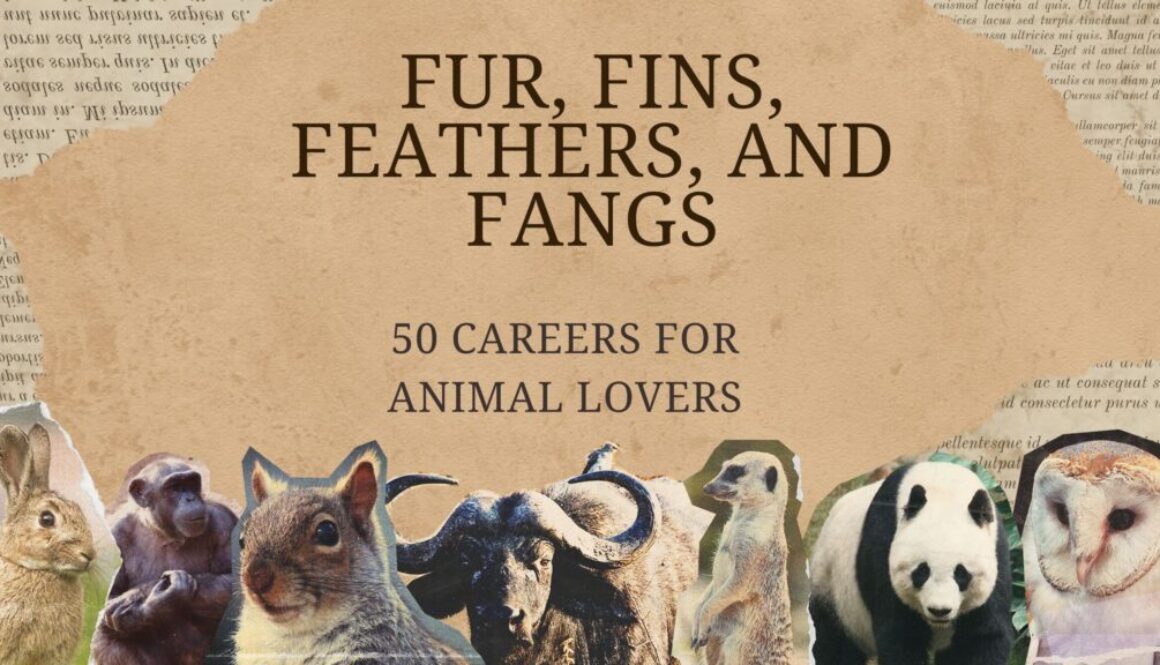
Fur, Fins, Feathers, and Fangs: 50 Careers for Animal Lovers
Many people who have a passion for animals would love a career working with them. Whether you are zeroed in on one species, like sea turtles or horses; or whether you have a heart for all creatures, your dream job would let you work closely with animals.
Great news! There has never been a better time to start an animal career, especially jobs that are related to pets. The U.S. Bureau of Labor Statistics projects jobs in animal care and services will grow at twice the rate of other occupations.
The growth in this sector of the economy is driven by the explosive increase in the number of pet owners. This number is projected to keep growing.
Dog walkers and trainers are in high demand right now, and just try getting a grooming appointment–pet salons are booked out for weeks! The demand for pet services shows no sign of slowing. If you want a part-time job and enjoy working with animals, those careers will make great side gigs, too! A solid second income can open many possibilities and make things like home ownership and paying off debt happen much faster! Pet grooming, dog training, and dog walking all offer flexible hours and good money. If you are interested in opening your own business, they are all ideal careers for self-employment.
Preparing for an Animal Career
Some of the following jobs require only a high school diploma; others require at least a bachelor’s degree, and salaries range widely. If you earn a college degree in an animal-related field, your opportunities will be much broader and your salary higher.
However, even if college is out of the question for you there are still plenty of rewarding and enjoyable jobs working with animals. Certification programs are available that provide online training and experience in several animal careers, and these look great on resumes! Animal Behavior College is an outstanding example and has been training people to launch careers since 1998.
50 Animal Careers by Category
The following is a breakdown of animal careers by category, along with education requirements and salary potential.
Agricultural Animal Careers
Rural life is beguiling to many folks, and there are many ways for animal lovers to find employment connected to agriculture.
● Livestock/agricultural journalists write articles for publication on topics related to farming, ranching, and other forms of agriculture. A bachelor’s degree in writing, journalism, communication, or agriculture is usually necessary to succeed. The median income is $82,000.
● Farm managers (or stable or ranch managers) oversee daily activities and manage all aspects of production. They hire and supervise workers and make all decisions related to crop planting and livestock husbandry. A Bachelor of Science in Agriculture or the equivalent is a plus. The median income for farm and ranch managers is $75,760.
● Riding instructors teach people to ride horses and feed, exercise, and groom the animals in their care. No degree is required to work as a riding instructor. The average base salary is $55,664.
● Extension agents have many jobs in a community, but helping farmers is high on the list. They also work closely with community youth in a variety of 4-H programs, many of which revolve around animals. A bachelor’s or master’s degree is required. The average salary for extension agents is $54,847.
● Range management specialists study natural resources and work to protect them by developing programs and standards governing the use of rangelands.
A degree in range management is required. The median salary is $51,206.
● Apiculturists, also known as beekeepers, maintain beehives and harvest honey. No formal degree is necessary to be a beekeeper, but should you want to get a bachelor’s degree in entomology or biology it would be helpful in your work. The average salary is $50,574.
● Animal/livestock breeders use knowledge of genetics to select and breed animals. They take animals’ genealogy and characteristics into careful consideration and keep detailed records. Most livestock breeders have a bachelor’s degree in animal science. The median salary for an animal breeder is $45,320.
● Shepherds tend and herd flocks of sheep. This oldest of professions requires no formal education but comes with a median salary of $43.221.
● Horse trainers train horses in the behaviors required by their intended discipline, such as racing, rodeo, show jumping, dressage, or pleasure riding. The median salary is $39,288.
● Grooms often work in the horse racing industry. They provide daily care for horses, saddle and unsaddle them, organize tack, clean stalls, and equipment, and sometimes help with training. There is no educational requirement to work as a groom. The average salary is $29,147.
Aquatic Animal Careers
Aquatic life is fascinating. There is no end to the unique creatures that dwell below the surface of oceans, lakes, and rivers. Scientists are still discovering new life forms in the depths of the seas. Anyone with an interest in marine life has a wide range of career paths to follow.
● Marine biologists study ocean life. They may do experiments, rescue marine life, and monitor the behavior of aquatic animals. Being a marine biologist requires an undergraduate degree in a scientific discipline such as ecology, aquatic biology, zoology, or animal science. The average salary is $86,203.
● Aquarium maintenance technicians set up, maintain, and service fresh or saltwater aquatic tanks in homes and offices. They may also work in fish hatcheries, aquarium parks, or any place that maintains aquatic life in tanks. There is no formal degree required, but certification is desirable. The median income is $40,199.
● Marine life rescuers help injured or sick animals; animals that have become entangled in nets or garbage; or stranded animals. They aid in their rehabilitation. Entry-level positions require no special degree or certification. Higher-level positions may require a degree in marine or wildlife biology. The wide pay range may reflect lots of room for advancement. The median salary is $55,632.
● Aqua culturists, or fish farmers, raise several types of fish and shellfish for profit or consumption. The minimum education required is a bachelor’s degree. The average salary is $44,489.
● Marine biotechnologists take advantage of the unique array of marine organisms to develop pharmaceuticals, enzymes, and chemicals. This career requires a Bachelor of Science degree, master’s, or, at the pinnacle of the field, a PhD in Marine Science and Technology. The average salary is $132,303.
● Marine mammal trainers work with dolphins, sea lions, manatees, and seals–usually in zoos or aquarium parks. They teach behaviors, feed the animals, and maintain clean, safe water environments. Most facilities want job candidates with life or animal science degrees. The average salary is $33,908.
● Deep sea marine biologists study the organisms that live far below the surface, sometimes in the deepest trenches of the ocean. Most of these jobs require at least a master’s degree. Salary maxes out at $60K.
● Fish biologists do such jobs as monitoring fish populations and fisheries, making environmental assessments for proposed projects, and identifying areas of needed research. A bachelor’s degree is typically required for entering the profession. The average salary is $64,945.
● Aquatic retailers vary in job descriptions; managers, aquarium technicians, and other staff command different salaries. The average salary is $38K.
● Hatchery assistants usually do not need a college degree, although if you aspire to a more advanced position you will need to earn one. Some people enter their career with an aquarium maintenance certification. The average salary for a fish hatchery worker is $49,095.
Pet-related Careers (Non-medical)
Aside from allowing you to spend your time with dogs, cats, and other animals, many pet careers are super flexible and make great side hustles. And if you have been looking for an opportunity for self-employment, one of these careers may be just the ticket!
● Dog walkers enjoy lots of fresh air and plenty of canine interaction. It is a fun career or side gig you can get into without needing a special degree. The average salary is $33,526.
● Pet groomers are in demand as the pet population continues to expand. Groomers help animals look good and feel good by bathing and trimming them, cleaning their ears, and clipping their nails. They do not need a formal education, but it helps to go through a training program to get certified. Like $37,501.
● Animal assisted- or pet therapists use therapy animals – usually dogs and cats – to help people with mental disorders or health issues. Pet therapy helps a wide range of people such as residents in long-term care facilities, cancer patients, and veterans with PTSD. Most hold bachelor’s degrees, and a master’s degree is necessary if you wish to counsel patients. The average salary is $38,056.
● Pet sitters care for animals when their humans are not at home. They may stay in the home or just drop in to monitor the animals, take care of litter boxes, and feed and water pets. They let dogs out to potty and walk them. Basic grooming may be involved. No special education is necessary. It is a nice side hustle if you can work it into your schedule. The average wage is $16 per hour. The median salary for a full-time pet sitter is $33,377.
● Dog obedience trainers are also in high demand these days. They train dogs to follow the basic commands for being good citizens, and they help owners understand how to properly continue training at home. Dog trainers do not have to be degreed or licensed, but certification is recommended. The average salary for a dog trainer is $40,348.
● Cat trainers are called to help curb feline problem behaviors, such as counter surfing, biting and scratching people, and litter box refusal. As with dog training, no degree is required, but certification is encouraged. The average salary is $46,748.
● Animal shelter attendants care for homeless animals waiting for their forever homes. They feed, water, groom, and exercise animals, and keep kennels and cages clean. No education beyond a high school diploma is needed, just a heart full of love for animals. The average salary is $30,522.
● Kennel attendants take care of dogs in a kennel. Duties are similar to animal shelter attendants. Again, no degree is required. The average salary is $28,914.
● Pet store retailers do a variety of jobs, most requiring nothing more than a high school degree. The average salary is $34,745
● Doggy daycare providers offer dog owners an approximation of childcare for canines. No degree is required to operate or work at a doggy daycare facility. The average salary is $29,511.
Careers Working with Wildlife
If wild or exotic animals are your passion, there are lots of careers that allow you to work with them.
● Animal control officers are called in to help rescue hurt, lost, or stray animals, trap animals that are endangering people, and provide first aid to wounded animals. A high school degree is usually required. Average salary is $47,913.
● Zoologists study non-domesticated animals, focusing on behavior, ecosystem, and impact of humans on habit. Zoology and wildlife biology are good degrees to pursue to become a zoologist. The average salary is $54,791.
● Park rangers do not necessarily work with animals, but they have regular opportunities to view wildlife during their job. A formal degree may not always be required, depending on the position. The average salary is $42,977.
● Wildlife photographers take amazing images of animals in their natural habitat, often selling them for publication. Self-employed wildlife photographers do not have to have degrees. Their average income is $42,345.
● Conservation officers, also known as fish and game wardens, help protect wild animals in their natural habitats by enforcing conservation and environmental laws and regulations. They work outside in all kinds of weather. Many states require only a high school diploma. The average salary is $50,144.
● Wildlife rehabilitators care for sick, injured, or orphaned animals. The goal is to release the animals back into the wild as soon as they can function normally in their habitat. Biology or ecology are the most commonly desired degrees. The average salary is $44,859.
● Venomous snake milkers extract venom from poisonous snakes for research and emergency lifesaving procedures. Snake milkers are not simply thrill-seekers; they enter a career with a degree in biology, chemistry, biochemistry, or herpetology. They earn an average salary of $33,609.
● Wildlife advocates seek protection for animals and their habitats. They advocate for such things as species conservation, ocean clean-up, or rainforest preservation. The average salary is $64,945.
● Wildlife biologists study animals both in the wild and in captivity. To be a wildlife biologist requires a Bachelor of Science degree in biology, zoology, or some other natural science. The average salary is $61,173.
Animal Health Careers
Those who want to help animals often lean toward veterinary medical careers, but there are other options.
● Animal massage therapists study animal physiology and anatomy. They use massage techniques to improve the well-being of their patients. You can enter the field with a two-year associate degree. The average salary is $71,679.
● Veterinarians are the animal equivalent of human physicians. They must have a four-year degree followed by another four years of veterinary school. The average salary is $103,260.
● Veterinary technicians work in veterinary clinics and can do certain medical procedures, such as give vaccinations, take, and expose x-rays, and assist with surgeries. They must have an associate’s degree. The average salary is $39,293.
● Veterinary dentists have extensive training in oral surgery, medicine, and dental care for animals. In addition to the regular education required of a veterinarian, they must also do a residency in veterinary dentistry. The average salary is $189,979.
● Animal nutritionists make recommendations for food and diets for farmers, zookeepers, pet owners, and others in charge of animals’ well-being. The job requires a four-year degree in agricultural science, animal science, or related field. The average salary is $54,137.
● Veterinary practice managers oversee clinics and animal hospitals, handling staff, payroll, schedules, and related duties. While a degree may not be required, a management or business degree is excellent preparation. The average salary is $82,725.
● Laboratory animal caretakers monitor and care for animals in a research setting. A high school degree is all that is required but, certification in vet assisting may help secure a job. The average salary is $33,907.
● Farriers care for horses’ hooves, trimming them, and shoeing them, when necessary. No degree is necessary, but an apprenticeship or horseshoeing school can prepare you for your career. The average salary is $36K.
● Kennel technicians maintain a clean facility and provide care for animals, such as grooming, feeding, and exercising. A high school diploma is usually the only requirement. The average salary is $28,701.
Launch Your Career with Animal Behavior College
People ask these questions all the time – Where can I find service dog training near me, where can I find dog training near me, or where can I find pet grooming near me? You need not look any further than Animal Behavior College to learn these traits, and how to teach others these skills.
There are lots of well-paying jobs working with animals, even for those who do not have an advanced degree. If you are passionate about finding a rewarding animal career, Animal Behavior College would love to start on the right track.
With online programs for vet assistants, dog obedience trainers, zookeeper assistants, aquarists, service dog trainers, cat trainers, and pet groomers, we can help you launch your career. To talk to an admissions counselor, call 800-795-3294.
Animal Behavior College has compiled some top goals for pet owners’ New Year’s resolutions.
Making resolutions to keep your pets happy and healthy for the new year is important and should be at the top of your list of priorities. There are always areas for improvement. It can also be fun to establish New Year’s resolution goals that your pets can maintain as well. These pet resolutions can offer a chance to become closer than ever.
Pet health – Keep an eye on your pet’s health. This would include, but is not limited to, diet, exercise, tooth brushing, yearly checkups, and shots, grooming, mental health, heartworm, and flea & tick meds.
Pet safety – Pet safety is a crucial factor when caring for a pet. These should include pet-proofing your home by having only non-poisonous plants, removing choking, suffocation, or food hazards, and keeping chemicals out of reach. Be sure to pet-proof your yard for dangers as well.
Pet insurance – Pet insurance is a health plan for our pets where the owner pays a recurring fee for veterinary expenses incurred. Most plans are for dogs and cats, although some do offer coverage for other pets as well. These plans cover accident-only, comprehensive, or routine care, depending on the plan that you acquire.
Other items to consider
*Spend more time with them.
*Keep pet tags on and updated.
*Investigate new and updated products that can make life easier for you and your pets.
*Purchase safe toys to keep them occupied, so they don’t get bored.
*Do not leave them alone too often or too long.
*Reduce stress for you and your pets.
*Keep them active.
*Socialize your pets with people and animals.
Dog & cat training -Training can be the most beneficial service you can do for your pet. Training can help with things like teaching your pet to stop jumping on people, learn new tricks, obedience, barking issues, destruction of furniture and clothes, getting along better with other pets and humans, and much more.
If you would like to learn how to train your dog or cat, and even turn it into a career, you will want to check out Animal Behavior College. We have programs in dog training, cat training, service dog training, grooming, aquarium maintenance, and zookeeper assistant.
If you want to learn pet grooming to save money on your grooming costs, and possibly make it a career for extra income, investigate our grooming program.
Give us a call at (800) 795-3294 to answer any questions that you might have on one of our programs, and to get enrolled today!
Considering a career change? Looking for a lucrative, rewarding, and emotionally fulfilling position? Do you have an interest in health, medicine, and want to be a member of a veterinary team? Then, the job of Veterinary Assistant is for you! Media outlets are hypothesizing that because of the increase in adoptions of Covid Pandemic Pets, there has become a shortage of veterinary personnel in Georgia, and across the United States. They are also noticing more veterinarian workers are retiring from the profession than those just entering the field. The American Veterinary Medical Association states that the statistics demonstrate that veterinary services have increased since the pandemic creating encouraging growth. Mars Veterinary Health says that pet ownership is steadily increasing. Researchers expect a 33% increase in pet healthcare spending in the next ten years. 41,000 new veterinary workers will be needed to meet demand. Even with the normal number of veterinary graduates, there will still be a shortage of around 15,000 people in the industry. They are saying that it will take thirty-plus years of veterinary graduates to meet the ten-year need for the industries veterinarians, veterinary tech, and assistants. Now that’s job security.
Do you have a passion for animals? Does the thrill of a fast-paced work environment please you? How about educating pet owners on the myriad of pet care subjects, such as nutrition, vaccines, exercise, illnesses, and more? Getting education and experience in a veterinary assistant program can lead to a rich and enjoyable career! You might also want to learn this field as a hobby or as a fun personal experience for keeping your pet happy and healthy.
Ever thought about learning dog grooming? If you are a person with artistic indication, then Pet Grooming might be for you. Grooming your pet is not just about keeping them clean. It is a bonding experience, as well. Having your dogs washed, brushed, and groomed is not only for beauty but helps to aid in the growth of healthy hair. Grooming can also prevent skin problems and help rid the pet of fleas and ticks. The grooming process can be beneficial in detecting health issues and fostering positive behavior.
It’s all about trust, connection, and love. Learning how to groom your pet is a great way to bond with your furry friend. Did I mention the fact that grooming your own pet is less stressful for them? The satisfaction you will get from seeing your pet happy and well-groomed is priceless. Learning how to groom your pets can be a rewarding experience for both of you. Embrace and enjoy the moments you can share with your pet. Your efforts will be appreciated by them.
Your local grooming companies may need you soon as well. The American Bureau of Labor Statistics of the BLS is predicting that the grooming industry will need to employ 64,000 pet groomers by 2026 to keep up with the need for people to get their pets groomed.
You may also want to further your pet care experience and learn dog obedience, service dog training, cat management and training, aquarium maintenance, and more!
If any of the above resonates with you, then it’s time for you to contact Animal Behavior College and get started on one of their many animal programs right away.
Animal Behavior College has a new and improved veterinary assistant school curriculum for its students in the United States. We are also continuing our Veterinary Assistant Certification Program for our Canadian students. Both veterinary assistant and pet grooming courses include pet CPR and first aid certifications as well. These programs are offered in both the United States and Canada.
Contact Animal Behavior College now for more information on our many animal career programs at: (800) 795-3294.
Tails are wagging, and pets are bragging about us. Paws down, we are the best around!
Looking for a rewarding career working with animals? Been tossing around the idea of becoming a pet groomer? Dog and cat groomers are generally animal lovers who enjoy what they do and take pride in making pets look and feel good. If you have a passion for animals, a creative flair, good attention to detail, strong communication skills, and the ability to be patient and calm under stressful conditions, grooming may be a great career fit for you.
Do Your Homework Before Committing to a Pet Grooming Career
Before jumping into any career, it’s important to learn as much as you can about it. How much do pet groomers make? Do I need to get a license or pass a test to work as a groomer? Is there a demand for pet groomers? Is there a pet grooming school near me? What skills do I need to master to be a groomer?
It’s a smart idea to do a little research into the career to find out what groomers need to know. Of course, every groomer needs to know the proper way to bathe a dog, trim nails, clean ears, and use the tools of the trade as well as how to card, strip, and thin various types of coats. A quick online search reveals dozens of breed styles and cuts that groomers should be able to execute. There’s a lot to know if you’re going to be a successful groomer!
You can learn a lot by watching grooming videos online. You might also seek out a professional groomer and ask to shadow him or her in order to see what their working days are like. Some might even take you under their wing and teach you some basic skills.
How to Become a Dog Groomer
While you do not have to be licensed, attend a pet grooming school, or earn your grooming certification in order to work as a groomer, it is recommended that you do so. For one thing, savvy pet owners are not going to turn their fur babies over to just anyone. Prospective employers look for qualified people with credentials. Proper training, education, and certification are important.
Groomers should also be well-trained because they fill an important role in a pet’s life. Clean, well-groomed animals feel better, look better, and smell better. Regular grooming helps keep an animal’s coat and skin healthy, nails at a proper length, and ears clean and infection-free. Learning how to perform these grooming tasks properly matters.
A dog grooming academy is a great way to master the skills you’ll need to succeed as a groomer, but not everyone has a grooming school nearby.
Among the best options for learning the necessary skills is to enroll in an online dog grooming program. As long as you have a reliable internet connection, you can take grooming classes no matter where you live, and you can do so without leaving the comfort of your own home.
Can I Really Learn How to Be a Pet Groomer Online?
As you might imagine, grooming is not something you can master just by sitting through online classes or reading books. You have to dig your hands into a dog’s fur, get up to your elbows in suds, and wield the clippers yourself in order to learn. There simply is no substitute for hands-on learning.
So how can you learn how to become a pet groomer through an online course? Find one that combines online learning with real-world experience.
The Animal Behavior College Grooming Instruction Program does just that through their externship, which pairs each student with a mentor groomer in their area. The externship provides a minimum of 150 hours of experience working with a professional groomer. In order to complete the certification process, students must demonstrate the ability to perform a full groom.
That sort of education and experience are invaluable in skill-building and instilling confidence.
If you think pet grooming is the right career path for you, visit Animal Behavior College to learn more. Founded in 1998, ABC has a long history of helping people start animal careers. Call 800-795-3294 to take the first step toward becoming a professional groomer!
Interested in becoming a dog trainer or finding types of employment that allows you to work with canines and other animals? Now is the perfect time to find an animal job in your state. The number of pet owners has exploded and with it, so has spending on services like training, grooming, or other pet care. Overall spending on pets exceeds $100 billion annually. Employers and pet owners are howling for help. (See what I did there?)
There are lots of job opportunities in your state for animal lovers. Here are five animal careers to explore:
Dog Trainers Wanted!
All those happy go lucky, unruly doggos need to learn some manners! Dog trainers can follow a variety of career paths. Some people like the idea of dog obedience training as a fun side gig. The hours can be flexible, making it easy to fit into your schedule. Other people pursue dog training as a fulltime career since there are lots of established companies currently hiring dog trainers., This is also an ideal career if you want to own your own business.
Salaries for dog trainers vary, depending on your location, your level of training certification, your experience, any specialization (training service dogs or scent work dogs or working with behavior issues, for instance), and where you choose to work. A dog obedience trainer that teaches classes at a big box store, specializing in pet supplies and services might make around $15 per hour, on average, depending on your state. Trainers who own their own business or work for a company that offers private training can expect to make much more. In fact, private training sessions can start at around $45 to $120 dollars. “Top dogs” in the field can command $150.
Is There a Dog Under All That Hair?
Dog groomers are enjoying the boom in the pet population, too, as more and more owners realize that regular grooming contributes to good health. Dog grooming involves much more than a nice haircut. Groomers also tend to skin, ears, nails, and teeth. A clean, well-groomed animal is a happier, healthier animal. Don’t you feel better after a hot shower or a blissful day at the spa?
It doesn’t matter your state or locality; dog groomers are always needed. Nationally, the average annual salary for a pet groomer is over $34,000. Like dog training, grooming offers a variety of opportunities. It can be a great part time gig, or you can work for an established business. Better yet—open your own shop or turn the old family minivan into a mobile grooming unit!
Can a Dog Say “Ahhh”?
Ummm…maybe this isn’t the best place to answer that question, but it does lead to another great dog career: veterinary assisting. Whether you live in a rural area or a large city, you can probably list lots of veterinary clinics, pet hospitals, or emergency vets near you. All these places hire vet assistants to help care for dogs, cats, and any other animals that come through their doors. If you have compassion for animals and want to care for them, think about becoming a certified veterinary assistant.
Dog walkers enjoy a lot of perks: they get to work outside, they get to be with dogs all the time and make them happy, and they get paid while getting exercise! #winning. It’s not a job most people immediately think of when they list animal careers, but it’s legit. Dog owners who don’t have the time or the inclination to take their dogs for daily walks often shell out big bucks for someone else to do it.
Dog walkers can hire on with established companies or advertise their own services locally. It can be an enjoyable way to earn a good salary and enjoy the company of lots of dogs.
Where Do You Keep the Dog Treats?
People everywhere rely on pet-sitters when they prefer not to board their dogs. They like the idea of their pets being able to stay in their own home, avoiding stress and possible injury or illness. It might not sound like a “real” job, but pet-sitting is serious business with its own professional associations and organizations. Rule #1: never let your charges watch Old Yeller.
Salaries for pet-sitters can be hard to pinpoint. There are really too many factors in play, but if you are interested in pet-sitting there’s a lot of information out there!
No More Excuses
No matter where you live, if you want an occupation that lets you work with dogs, there’s something out there for you. Stop looking for excuses and start on a path toward a career full of wagging tails and slobbery kisses!
Are you an animal lover who dreams of turning that passion into a career? Do you often wish you could find an animal job that lets you work with pets, wild animals, or even exotic animals, but worry that it isn’t practical?
Time to silence that nagging inner voice and remember the wise words of Confucius:
“Choose a job you love, and you will never have to work a day in your life.”
That timeless advice holds true—especially when you consider how many fulfilling animal care careers are available today.
Okay. What Animal Jobs Are Out There?
When most people think of animal care careers, a few familiar titles come to mind:
Veterinarian
Zookeeper
Dolphin trainer
But the world of animal jobs is far more diverse than that. In fact, there are hundreds of careers that connect people with animals every day. Some require a degree in veterinary medicine or animal science, while others can be pursued with just a high school diploma and a deep love of animals.
You could work in animal health, train detection dogs, care for injured wildlife as a wildlife rehabilitator, or provide therapeutic services to animals. Many professionals specialize in rehabilitating wild animals, managing animal shelters, or enforcing animal control and animal welfare laws.
There are also specialized roles like animal scientists, animal husbandry experts, and veterinary pathologists that contribute to everything from disease control to improving life for farm animals.
Whether you’re interested in helping pet owners or protecting the planet’s most vulnerable species, there’s an animal care path for you.
Growing Demand for Animal-Assisted Therapy Professionals
The use of animal-assisted therapy (AAT) is expanding rapidly across healthcare, education, and mental health fields. Professionals in these roles—such as animal assisted therapists—help individuals dealing with PTSD, anxiety, and learning disorders using trained pets and animal care techniques.
This emerging field combines compassion with veterinary medicine and animal health knowledge—making it ideal for those seeking meaningful, healing work with animals.
Emphasis on Sustainable and Ethical Animal Practices
More animal care professionals and pet owners are embracing eco-conscious, ethical approaches to working with animals. Whether it’s using biodegradable grooming products or focusing on animals’ emotional well-being, ethical animal treatment is central to today’s animal welfare trends.
Careers in animal nutrition, animal cruelty investigation, and sustainable animal health practices are also growing in popularity. Even veterinary clinics are adopting greener practices.
Frequently Asked Questions (FAQ)
Q: What qualifications are needed for these unusual animal jobs?
A: It depends on the role. Some jobs—like animal care technician, wildlife biologist, or snake milker—require specialized training or certifications. Others, like animal shelter assistants or animal care attendants, focus more on hands-on experience and empathy.
Q: Are these careers financially sustainable? A: Many of them are. For example, farriers (who care for horse hooves) can earn a median salary of $116,000, with those working in elite circles exceeding $200,000.
Q: How can I gain experience in these fields? A: Volunteer work, internships, and training programs—such as those offered by Animal Behavior College—are excellent starting points for anyone looking to break into animal care careers.
9 Animal Careers You May Not Have Considered
Animal Colorist
From movies to pampered pets, these professionals give animals standout looks. Want a dog with tinsel or rainbow fur? That’s an animal colorist’s job.
Reptile Breeder Raise snakes, turtles, and lizards, including exotic animals like Panther Chameleons and Bearded Dragons.
Pet Food Tester
Yes, they taste-test pet food—though they don’t actually eat it. Quality matters, even for animals.
Animal Massage Therapist Once common only in horse racing, these experts now help dogs and cats relax, improve circulation, and recover from injuries.
Cat Trainer
It’s real—and surprisingly rewarding. These professionals teach cats skills and behaviors for performances, commercials, and at-home enrichment.
Animal Acupuncturist
An additional certification a DVM may pursue and with using techniques from veterinary medicine and Eastern traditions, these specialists treat pain through needle therapy. It sounds odd, but it works.
Wildlife Control Relocation Specialist
Manage encounters with wild animals—safely relocating them without harming them or the public. A great job for those who want to protect both animals and people.
Detection Dog Handler
Train animals to sniff out drugs, explosives, or even bed bugs. Animal control and safety meet cutting-edge skill.
Venomous Snake Milker Not for the faint of heart, this rare animal job involves extracting venom for research and antivenom development.
How About Something I Can Actually Do?
We hear you. You want a career that:
Gets you close to animals daily
Doesn’t require medical school
Can be started relatively quickly
Is more exciting than pet grooming and safer than snake milking
Good news—becoming a Zookeeper Assistant may be just the fit. These professionals provide daily animal care to wild animals and exotic animals, educate visitors, assist in breeding programs, and contribute to the conservation of endangered species. It’s a great fit for any animal lover who wants to make a difference.
Zookeeper assistants may work in an animal facility or veterinary clinic, helping monitor veterinary care and managing enrichment for animals ranging from miniature horses to birds of prey. You could even help manage animal population programs or assist in wildlife rehabilitation efforts.
It’s also a great stepping stone for future careers such as dog trainer, animal trainer, or even veterinary surgeon—and certification can be earned in just 8 months online.
I’m Going to Follow My Passion!
That’s the spirit! Don’t let doubts keep you from pursuing a meaningful animal job. Whether you’re working in animal rescue, managing an animal shelter as a shelter manager, or training farm animals on a sustainable ranch, your love for animals can absolutely be the foundation of a rewarding career.
Rating A+ The BBB only accredits the business management of a school, not the quality of the curriculum, or training programs.
STATE LICENSURE AND APPROVAL
Animal Behavior College is a private vocational school approved by the Bureau for Private Postsecondary Education (www.bppe.ca.gov) under the California Private Postsecondary Education Act of 2009 and Title 5. California Code of Regulations Division 7.5. Private Postsecondary Education. The Bureau for Private Postsecondary Education approval means that this institution and its operation comply with the standards established under the law for occupational instruction by private postsecondary educational institutions. Institutional approval is subject to continual review and the institution must reapply for approval every five years.
DISCLAIMER
Please be advised that Animal Behavior College (“ABC”) is the exclusive entity authorized to provide certifications and/or degrees from Animal Behavior College. Moreover, such certifications and/or degrees are only conferred by ABC following a student’s completion of an ABC-administered program. No other entity or individual has authority to confer certifications and/or degrees on ABC’s behalf. Any other entity or individual who attempts to do so is acting without express or implied authority from ABC.
GI BILL® TRADEMARK ATTRIBUTION
GI Bill® is a registered trademark of the U.S. Department of Veterans Affairs (VA). More information about education benefits offered by VA is available at the official U.S. government Web site at https://www.benefits.va.gov/gibill
Animal Behavior College, 27509 Avenue Hopkins, Santa Clarita CA 91355-3910 Contact Us



 By: Andis Company