
Keep an Eye Out for Signs of Heat Stroke in Dogs
Beat the Heat
Signs of Heat Stroke in Dogs
It’s summertime and the living is easy–especially for dogs. Pet owners are home a lot more, spending time barbecuing in the backyard and going on family outings. Dogs get more quality time with their people, and some lucky pups even get to go on road trips.
While summer offers plenty of opportunities for dogs to be outside having fun, it also poses some risks. Heat stroke and dehydration are dangers dogs face when the weather is hot. Unlike humans, dogs don’t cool themselves by sweating, but mostly through panting. This is not a very efficient way of cooling the body in hot weather, making dogs particularly susceptible to overheating.
Some dogs are even more prone to heat-related illness, including older dogs, dogs who are under the weather, and breeds with short muzzles, such as Bulldogs and Pugs.
You can do a lot to help protect your dog from suffering in the summer heat by keeping him cool and recognizing potential signs of distress.
Making sure your dog stays hydrated will go a long way to ensuring his comfort during the summertime. Water is essential at all times of the year, but particularly during the summer when hot weather saps moisture from your dog’s body. Make sure your dog always has access to plenty of cool, fresh water so he can keep himself hydrated. If he’s outdoors, drop ice cubes in his water bowl frequently to keep the water chilled.
Dogs love to be outside during the summer, but it’s crucial your dog is able to get out of the hot sun when he’s had enough. Be sure he has a shady area where he can cool off when he needs to. On particularly hot days, keep him indoors in the air-conditioning.
Of course, never leave your dog in the car even with the windows cracked. On a hot day, the temperature inside a car can quickly rise to more than 120 degrees, which can be fatal to your dog.
If you are hiking or playing with your dog outside, keep an eye out for these signs of heat stroke:
- Restlessness
- Difficulty breathing, including heavy panting
- Tongue and mucous membranes are a bright red color
- Thick saliva
- Vomiting
- Diarrhea
- Rectal temperature over 104 degrees F (100-102 degrees is normal)
If your dog shows any signs of heat stroke, get him out of the heat right away. If possible, take him into an air-conditioned building. If his temperature is higher than 104 degrees, put him in a bathtub of cool (not ice cold) water. Take his temperature again in 10 minutes. Once his temperature is back to normal, make an appointment with a veterinarian to have him examined. Heat stroke can sometimes cause damage to internal organs.
Signs of severe heat stroke include staggering when trying to walk; seizures; dark red, purple or blue gums; and coma. If your dog is experiencing these symptoms, wrap him in cool wet towels and rush him to a veterinarian immediately.
By taking the right precautions and keeping an eye out for heat stroke, you can make sure your dog has a safe, fun and happy summer.
About the Author: Audrey Pavia is an award-winning freelance writer and author of “The Labrador Retriever Handbook.” She is a former staff editor of Dog Fancy, Dog World and The AKC Gazette magazines. To learn more about her work, visit www.audreypavia.com.

 What was the biggest challenge you have faced during externship and how did you overcome?
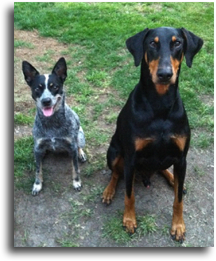 Yes, I am working professionally in a grooming salon. I work full-time at A Dirty Dog Spa, the same place where I did my externship. I work as a bather two days a week and the other three days I get to work as a groomer, which is my favorite. My mentor, Margaret, is a national certifier for Edmonton, so we get to do a lot of fun show cuts and, of course, pet cuts as well. I even had the opportunity to help my mentor get her dogs ready for show. I am having a lot of fun.

 My long-term goal is to be a very versatile pet trainer, with knowledge in all regards. However, if there is one thing my rescue dog Kramer, and all other dogs I have built strong bonds with have taught me, it’s that I have a natural gift with hyperactive, eager, looking-to-please-and-learn types of dogs. Those dogs you look at and think “Wow, they have so much energy I could never handle that,” those are the dogs I gravitate most toward. My experience is that these types of dogs can go one of two directions: they either become a dog who falls into the hands of someone who can teach them all the right commands and behaviors; or one who falls into incapable hands, learns incorrect behaviors and winds up in a humane society to be euthanized.