ABC Dog Training Program Student of the Month – USA – December 2014
James Blanchard
Recent ABC Graduate James Blanchard of Green Valley, California, just started his own dog training company called Caring Canine Commands. He trains part-time on the weekends while still working full-time during the week. He found out about ABC’s Dog Obedience Program from the Internet and he also knows an ABC graduate. The program’s biggest draw for James was the flexibility of the distance-learning component, which allowed him to schedule it around his existing job. James doesn’t accept failure and said he will do everything he can to get the job done. If it involves extra training time, different training techniques or doggie day camp, he will make sure that clients are satisfied and the dogs succeed.
What was/is the biggest challenge you faced during your externship and how did you overcome it?
Since I am a quiet person and a bit introverted, talking in front of a group of people I don’t know was the hardest part. I overcame it by knowing my material and practicing what I would say ahead of time and just made myself do it. It got easier the more I did it.
What was your most rewarding moment during your externship?
The most rewarding part was seeing the puppies obey their owners and enjoy it just as much as their owners were. I love helping people and their dogs succeed together.
Describe one pet story that touched you the most during your volunteer hours. Do you plan to continue your volunteer work?
I can’t describe just one story. It just makes me sad knowing how many dogs are out there that need a home. I will definitely continue to volunteerat Best Friends Animal Society in Mission Hills, California, and the Brittany Foundation in Acton, California. I’m currently taking the ABC Grooming Program as well so I will volunteer at both places to help keep the dogs looking and acting as good as possible to get them a forever home.
What has your experience been like in the ABC Dog Obedience Program?
I’ve had a verypositive experience. The things I have learned have really helped me to train my own dogs during the program. Since I have graduated, I’m seeing a lot of clients succeed with ABC’s training methods. I love the fact that you can be positive and still get awesome results from the dogs you are training.
What are your plans for dog training? Do you want to specialize in a particular type of training or in training a particular breed of dog?
In the future, I want to work in all fields of dog training. I want to learn how to train therapy and search-and-rescue dogs. I also want to study dog behavior so I can help cure dogs of aggression, separation anxiety and PTSD. Basically, I want to be a dog guru.
With elaborate dishes, especially prepared meats, vibrant libations and rich desserts, Thanksgiving is a time when most people overindulge. For pet owners, it is tempting to share tidbits of food with their dogs and cats. However, many of these delicious foods can make them sick. Avoid feeding pets table scraps and offer healthy food alternatives that will keep them safe and happy on this special day.
Turkey Skin and Bones
Cooked turkey skin with no seasoning is hard to digest and turkey skin with butter and spices is even worse. If you decide to feed turkey to your pet, choose white meat, as it is not as rich as dark meat and is easier to digest. Remove the skin and cut the meat into small pieces before serving. Also, avoid feeding dogs cooked bones, as certain bones can lodge in a dog’s intestines.
Gravy/Buttery Side Dishes
Rich gravies and side dishes can wreak havoc on a pet’s digestive system. Dogs can develop inflammation of a digestive gland, pancreatitis, diarrhea and other painful and serious conditions. Instead, add a little turkey broth to their regular meal as a tasty alternative.
Onions, Garlic and Sage
Onions, garlic and sage are staples in Thanksgiving stuffing and other festive dishes. However, they can make pets sick. Onions and garlic are poisonous to dogs and cats and can cause abdominal pain, diarrhea and vomiting. If ingested, sage causes gastrointestinal upset if consumed in large quantities. Instead, give green beans or a plain hard-boiled egg.
Also be sure to not allow your pets in the kitchen. With food preparations and other busy kitchen activities, a spilled hot dish or dropped pan or bowl can injure or burn a curious pet. Have someone watch your pet or put her in a quiet room or in a crate or carrier away from the fray. Keep a closed lid on the trash bin to prevent pets from feasting on disposed food that could make them sick.
If a dog or cat is ill from eating toxic food, contact a veterinarian immediately, or call the Pet Poison Helpline at (800) 213-6680 or visit www.petpoisonhelpline.com.
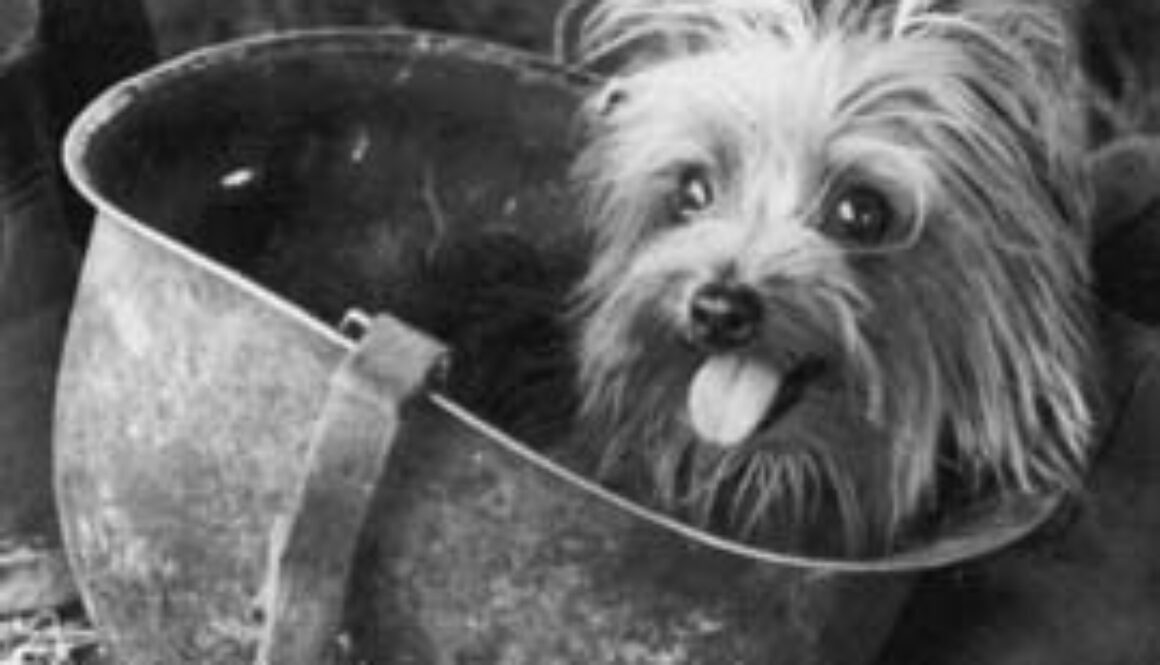
In Animal Behavior College’s continuing salute to Canine Champions of Freedom, today we’re highlighting Smoky, a Yorkshire Terrier who served in World War II. Smoky was credited with twelve combat missions and awarded eight battle stars. She saved a soldiers life from incoming shells and helped them duck fire. Along with serving in combat she also entertained the troops with various tricks. After the war Smoky became a national sensation and even appeared in various TV programs. Smoky died in 1957 at the age of 14.
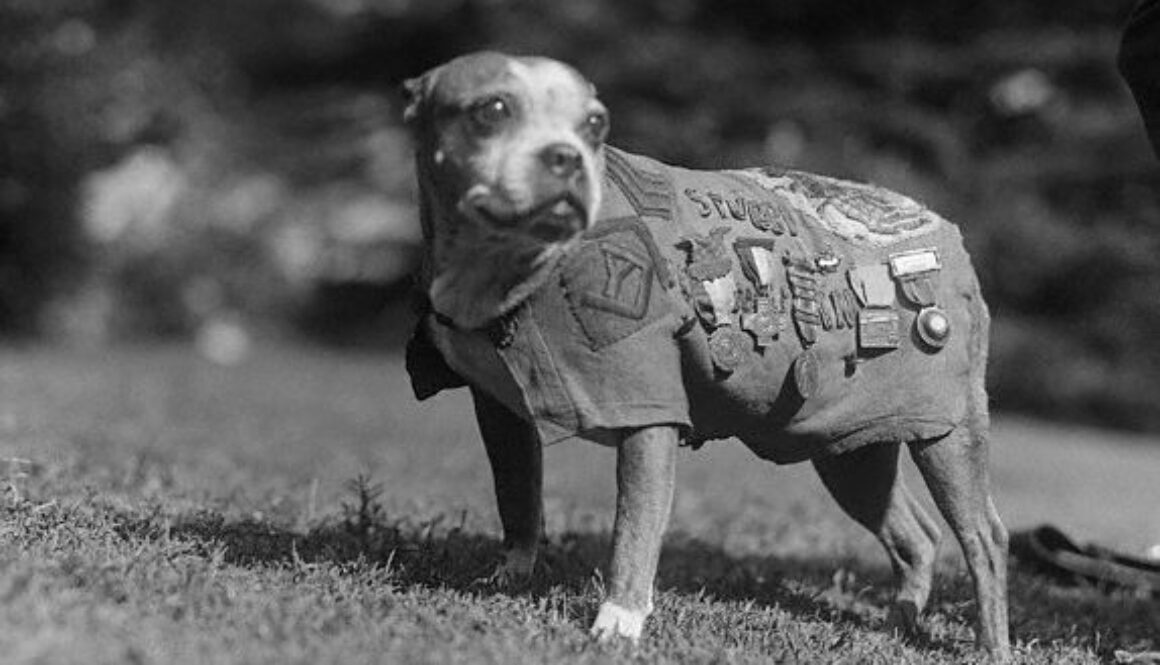
In Animal Behavior College’s continuing salute to Canine Champions of Freedom, today we’re highlighting Sergeant Stubby. Stubby has been called the most decorated war dog of World War I, assigned to the 26th (Yankee) Division. Stubby warned his unit of poison gas attacks, located wounded soldiers in no man’s land, and captured a German spy in the Argonne. After the war, Stubby returned home and led many parades across the country and even became the Georgetown Hoyas’ team mascot. Stubby died in his sleep in 1926.
In an ongoing campaign to support veterans both in the classroom and online, Animal Behavior College has begun a campaign to honor military veterans and strengthen the school’s commitment to them and their spouses who work in the pet-services industry. The campaign, “Champions of Freedom Who Sacrifice for All,” will award dog-training scholarships to veteran volunteers of a nonprofit organization that trains medical-alert service dogs for veterans. The campaign will also spotlight unemployment and underemployment challenges facing many military spouses and share success stories from those who are enjoying rewarding careers in the flourishing pet-services industry.
In addition, ABC is commemorating Veteran’s Day with video tributes. One video features ABC employees thanking veterans, active military and their families for their commitment and service. A second video pays homage to canine veterans and their handlers.
The campaign will conclude in December with an employee fundraiser for a charity that provides an online network of volunteers who offer pet care for military during their deployment and a thank-you-letter-writing and holiday-card drive for deployed troops.
In Animal Behavior College’s continuing salute to Canine Champions of Freedom, today we’re highlighting Lex, a bomb-sniffing military German shepherd, who served with CPL. Dustin Jerome Lee in 2007. Lee and Lex worked close together, scouring roads for explosives and sleeping in the same area at night. A rocket explosion in Iraq killed Lee and despite being injured, Lex stayed by Lee’s side on the battlefield. With shrapnel in his leg and whimpering from his own injuries, medics had to pull Lex away from the body of Lee. Months later, Lee’s family lobbied for permission to adopt the dog and succeeded. Years later, Lex died of cancer.
Thanks to treatment improvements, the disease is now very manageable.
November is Pet Diabetes Month and it’s important for owners to know what signs to look for in their pets.
November is Pet Diabetes Month and as this is a disease that affects nearly every species, it’s important for pet owners to know a little about it. All types of animals, from ferrets to cats and humans to dogs, can develop diabetes.
To understand the condition, you need to know a bit about insulin. Insulin is a hormone that enables a body to use sugar (glucose), which is converted from consumed food, for energy or save it for use later. Glucose is absorbed into the bloodstream from the intestines; it then flows to the body’s cells. If the pancreas isn’t producing enough insulin, which acts as a key to open up cells to glucose, the sugar cannot be absorbed by the cells. This results in a buildup of sugar in the bloodstream.
This buildup is what causes your pets want to eat constantly, but still appear to be malnourished. It is due to the cells not properly absorbing glucose for energy.
If your pet is showing signs of excessive thirst, frequent urination or acting like he or she is tired all of the time, it’s time to get some blood work done. Diabetes is one of those diseases that can sneak up on you and if you don’t pay attention, you could quickly lose your pet. Caught early, and your pets can live a normal, healthy life.
Types of Diabetes in Pets
Type 1 diabetes occurs when the pancreas produces no insulin at all. For Type 2, the pancreas produces insulin, but the body’s cells don’t respond well or have become resistant to it.
Dogs tend to develop insulin-dependent diabetes (Type 1), which means they will need injections—probably forever. Cats, however, are more commonly diagnosed with Type 2 diabetes, which can usually be handled with oral medication and diet changes.
Diagnosing Diabetes in Pets
If your veterinarian suspects diabetes in your pet, she will likely need to perform a complete blood count (CBC), a serum biochemistry profile and a urinalysis to confirm diagnosis. While this may seem like a lot of tests, they are important as it allows the vet to accurately confirm the dosage levels required to help your pet.
It’s also important to remember that many pets react very strongly to being at the veterinarian’s office, and this can effect or change their actual levels. Running multiple tests will help confirm what is really going on while also ruling out other things that could affect your pet’s health.
Treating Diabetes in Pets
After your veterinarian has reached the conclusion your pet has diabetes, she will select an insulin type and dosage for your pet. The dosage needs to be closely monitored for the first few months to ensure it is accurate and effective. Every animal responds differently to the treatment and it’s up to the vet to establish how well your pet is doing with it.
In severe cases, your veterinarian might ask you to leave your pet at the hospital for a few days so she can quickly establish the best dosage through close monitoring.
Learn more about pet diabetes, its signs and risk factors with this downloadable brochure from Merck Animal Health.
Diet and Exercise
You might also need to change your pet’s diet to a prescription food or other vet-recommended food. It is very important that you monitor your pet’s diet, including treats, for the rest of his life. You need to be extra careful not to let your pet eat from the table or get into garbage as this can seriously affect his blood-sugar levels.
Currently, most vets recommend that dogs stay on high-fiber diets, since fiber seems to help increase the effect of insulin in dogs. Cats with diabetes, however, should be on a low-carbohydrate, high-protein diet. Sugars, obviously, need to be avoided. This is often simple to do for cats, but dogs tend to have a harder time controlling their intake of sugar.
Exercise is also very important. You will want to make sure your dog is getting plenty of walks and playtime to keep him active—it will tremendously help him to manage this condition.
Injections
Most pets could require injections twice a day—after each meal. You might have to modify your pet’s feeding schedule. You will also need to learn how to give these injections subcutaneously (under the skin). This might seem intimidating, but you can quickly learn this simple task. The needles are quite small and, in most cases, your pet will not even feel it—especially after you’ve had some practice. Work closely with your veterinarian to learn how to give these injections. They are very, very important to maintaining your pet’s health.
In some cases (such as with Type 2), oral medication can be used instead of insulin injections. The treatment plan will depend on your veterinarian and how advanced your pet’s condition is (which is one more reason why you need to catch it early).
Glucose Testing
Your pet will need to have glucose tests to monitor his insulin levels. In the beginning, he might need to have a glucose curve established—blood -sugar levels are monitored every 2 to 4 hours for a 24-hour period. This test tells the veterinarian how well your pet is adjusting to the insulin.
After the initial curve is established, you should be able to monitor your pet with ongoing veterinarian appointments or by measuring the levels at home with a glucometer. You’ll want to learn more about this process because many things can affect how your pet responds daily to insulin day.
If you suspect your dog or cat has diabetes, be sure to get him into the veterinarian right away. This is a very manageable disease and the science used in preventing and treatment is improving every day.
About the Author: Stacy Mantle is the founder of PetsWeekly.com and the bestselling author of “Shepherd’s Moon.” Learn more great tips for living with animals by visiting PetsWeekly.com or get to know a little more about the author atwww.StacyMantle.com
How to convince your pets it really isn’t time to eat, sleep or play.
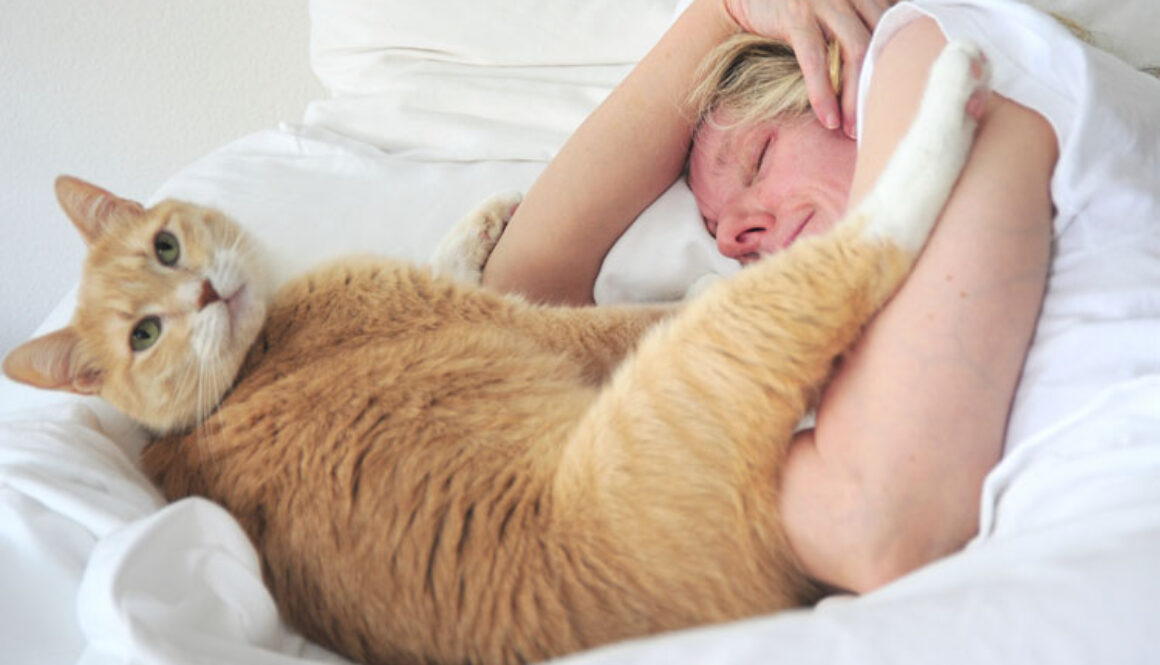
Even though you now get to sleep an hour later, your cat will still walk on you and purr for attention at the usual time.
Switching to Daylight Savings Time in the spring is hard on most people. You must get up an hour early, drive to work in the dark, take lunch before you’re hungry, try to go to sleep an hour before you’re tired. It’s like having jet lag without leaving town. The return to normal time and the gain of an hour are usually easier—unless you are making the transition with pets in the house.
Humans are diurnal, which means they are naturally most active during daylight hours. Dogs and cats are crepuscular, or most active around sunrise and sunset. Even though canines and felines in the wild are naturally attuned to daily cycles of light and dark, the pets in your house are following the schedule you set for them. You choose when to turn on the lights in the morning, when to feed them, when to walk them and when it’s time for lights out. A one-hour delay in these activities can cause confusion and stress in both dogs and cats. Extra affection and attention during this time will help them adjust more easily.
On the day after Daylight Savings Time ends, you’ll want to take advantage of an extra hour’s sleep, but your dog will still want to go outside and pee and your cat will still walk on you and purr for attention at the usual time.
The easiest way to help pets adjust is to move activities forward incrementally rather than by an hour all at once. You can transition to the new wake-up time this way. Set the alarm 10 or 15 minutes later each day until everyone is getting up at the correct time. You won’t get that extra hour of sleep, but your pets will have a smoother transition to the new schedule. Feeding time is also easily adjusted this way. These incremental adjustments will also make your own transition to the new time easier.
Since dogs are more attuned to human activities, they will probably accept these changes as soon as they realize their walks are just a little later than expected.
Since dogs are more attuned to human activities, they will probably accept these changes as soon as they realize that they will get their meals and walks, just a little later than expected. Cats, on the other hand, are notoriously oblivious to human needs and are more likely to complain loudly if a meal is late. If you free-feed your cat dry food, the transition shouldn’t be an issue, but if she’s made to wait for her breakfast and dinner, you’ll hear about it.
However, some activities must shift by an hour. If you are away from the house at work all day and your dog has to wait an extra hour to go outside and relieve himself, accidents can happen. Be patient with these incidents and don’t punish him. He’ll adjust within a few days and your household will once again run like a well-oiled machine—at least until Daylight Savings Time returns in the spring.
About the Author: Lisa King is a freelance writer living in Southern California. She is the former managing editor of Pet Product News International, Dogs USA, and Natural Dog magazines. Lisa is also the author of the well-received murder mystery novel “Death in a Wine Dark Sea” and the recently released “Vulture au Vin.”
Do what you can: adopt, volunteer, donate, spread the word.
The most important step you can take toward helping a shelter dog or cat is to adopt one.
Every year, nearly 7.6 million cats and dogs end up in U.S. animal shelters; only half of those animals find homes; the other half is euthanized, according to the ASPCA. This means approximately 1.2 million dogs and 1.4 million cats are destroyed in shelters every year.
These shocking statistics underline the severity of the homeless pet problem, and drive home the need for pet lovers to do whatever they can to help shelter animals.
The first of November began the National Animal Shelter and Rescue Appreciation Week, but shelters need help all year round. What follows are some suggestions on how you can provide assistance to shelter pets.
Adopt
The most important step you can take toward helping a shelter dog or cat is to adopt one. Instead of buying a pet, go to www.petfinder.com and search for the kind of canine or feline companion you are seeking. Shelters and private rescues list dogs and cats of all breeds and breed mixes, ages and temperaments on this site. Private rescues can often tell you a lot about the dog or cat because the animal has been kept in foster care for a period of time before being placed up for adoption. City and county shelters might not be able to give you as much information about the pet, but many shelters provide adoption packages to people who adopt a dog or cat, and these often include free or low-cost training.
Rescues and shelters appreciate any help you can give, from a few hours a month to regular weekly visits.
Volunteer
Most shelters and rescues are desperate for volunteers. Positions that need filling include tasks like office work, pet photography, public relations, attending adoption events, dog training and dog walking.You can spend as much time as you like volunteering. Whether it’s a few hours a month or every weekend, rescues and shelters are grateful for any help they can get.
Donate
All shelters and rescues are desperate for resources. If you cannot donate money, find out what other items they need. Many shelters and rescues will accept pet food, blankets, carriers, toys, bowls and other pet accessories. If you have gently used items your dog or cat no longer needs, consider taking them to the local shelter. You might also want to buy a gift card to a pet supply chain such as PetSmart or Petco to enable the rescue or shelter to purchase whatever they need.
Spread the Word
Get on the mailing list for your favorite rescues and your local shelter, or follow them on social media. Share postings about pets for adoption with people you know. The more exposure shelter pets receive, the more likely they are to get a home.
Help Strays
Even though shelters are inundated with homeless dogs, they are there to help animals in need. If you see a stray dog, call your local animal control agency so they can catch the dog and take him to their facility. The dog will be fed and given veterinary care, and kept for a period of time so the owner can claim him. In the event the dog is not claimed, he will go up for adoption. You can request that the shelter keep your posted on dog’s status.
Spay or Neuter
Don’t contribute to the homeless pet population by allowing your dog or cat to breed. Spay or neuter your dog, even if she is a purebred. Shelters and rescues are filled with purebred dogs that need homes.
About the Author: Audrey Pavia is an award-winning freelance writer and author of “The Labrador Retriever Handbook.” She is a former staff editor of Dog Fancy, Dog World and The AKC Gazette magazines. To learn more about her work, visitwww.audreypavia.com.
It’s time to celebrate
Black Cat Appreciation Day.
Black cats need to be judged by their personality and innate characteristics and not superstitions tied to their color.
I know, I know. Another pet related day to celebrate on the calendar. Yet, Black Cat Appreciation Day on November 16 is truly something to celebrate.
Sadly, black cats (and dogs) are far less likely to be adopted from shelters than cats of any other fur colors or combinations. That means the euthanization rate is much higher. Even if everyone knows that black cats aren’t witches’ familiars or minions of hell, there remains an underlying belief that they are unlucky. As a result, black cats tend to be overlooked no matter how beautiful they are or engaging their personalities.
As far as superstitions go, it depends on which side of the Atlantic you live. Black cats are supposed to be unlucky in the U.S; however, across the ocean, the English consider them a sign of good luck. Since anyone who understands even the rudiments of science knows a negative and a positive cancel each other out, we should just let black cats be…well…cats. The superstitious can stick to not walking under ladders or wearing their lucky shirt.
Unfortunately, many people perpetuate the myths about black cats without realizing it. After all, every October we adorn out homes with Halloween paraphernalia and witches and black cats are an integral part of the decorations. Frankly, when it comes to decorating, I think its time to stick to pumpkins. If you really want to bring cats into the picture, consider putting them in a costume. (Shark cat on a Roomba anyone?) You could also turn your pumpkins into Grumpkins, courtesy of the Grumpy Cat carving stencil that came out this year.
Living with a black cat is like living with a miniature black panther, especially one with gorgeous gold eyes.
Thankfully, animal shelters and rescues refuse to adopt out black cats (and dogs) in October to protect them from falling into the wrong hands. Black Cat Appreciation Day is held the following month to give pet lovers the opportunity to adopt a new friend who is black and beautiful.
There’s no question that living with a black cat is like living with a miniature black panther in your home, especially when he or she is blessed with gorgeous gold eyes.
It is time to stop judging pets by their color and look at them for their personality and innate characteristics.
It is also time to adopt a more European outlook. If a black cat crosses your path, it’is a sign of good luck. You can make that happen every day by bringing a black kitty into your home.
Please Tweet and post positive Facebook messages about black cats on November 16 and dispel the myths associated with these gorgeous creatures. It is no longer the Middle Ages people; time to move on.
About the Author: Sandy Robins is the 2013 winner of the “Excellence in Journalism and Outstanding Contribution to the Pet Industry Award.” Her work appears on many of the country’s leading pet platforms, such as MSNBC.com, MSN.com and TODAYShow.com. She is a regular contributor and columnist in multiple national and international publications, including Cat Fancy, as well as the author of the award-winning books “Fabulous Felines: Health and Beauty Secrets for the Pampered Cat” and “For The Love of Cats.” Learn more about Sandy on her website or Facebook page. #welovecats
Rating A+ The BBB only accredits the business management of a school, not the quality of the curriculum, or training programs.
STATE LICENSURE AND APPROVAL
Animal Behavior College is a private vocational school approved by the Bureau for Private Postsecondary Education (www.bppe.ca.gov) under the California Private Postsecondary Education Act of 2009 and Title 5. California Code of Regulations Division 7.5. Private Postsecondary Education. The Bureau for Private Postsecondary Education approval means that this institution and its operation comply with the standards established under the law for occupational instruction by private postsecondary educational institutions. Institutional approval is subject to continual review and the institution must reapply for approval every five years.
DISCLAIMER
Please be advised that Animal Behavior College (“ABC”) is the exclusive entity authorized to provide certifications and/or degrees from Animal Behavior College. Moreover, such certifications and/or degrees are only conferred by ABC following a student’s completion of an ABC-administered program. No other entity or individual has authority to confer certifications and/or degrees on ABC’s behalf. Any other entity or individual who attempts to do so is acting without express or implied authority from ABC.
GI BILL® TRADEMARK ATTRIBUTION
GI Bill® is a registered trademark of the U.S. Department of Veterans Affairs (VA). More information about education benefits offered by VA is available at the official U.S. government Web site at https://www.benefits.va.gov/gibill
Animal Behavior College, 27509 Avenue Hopkins, Santa Clarita CA 91355-3910 Contact Us



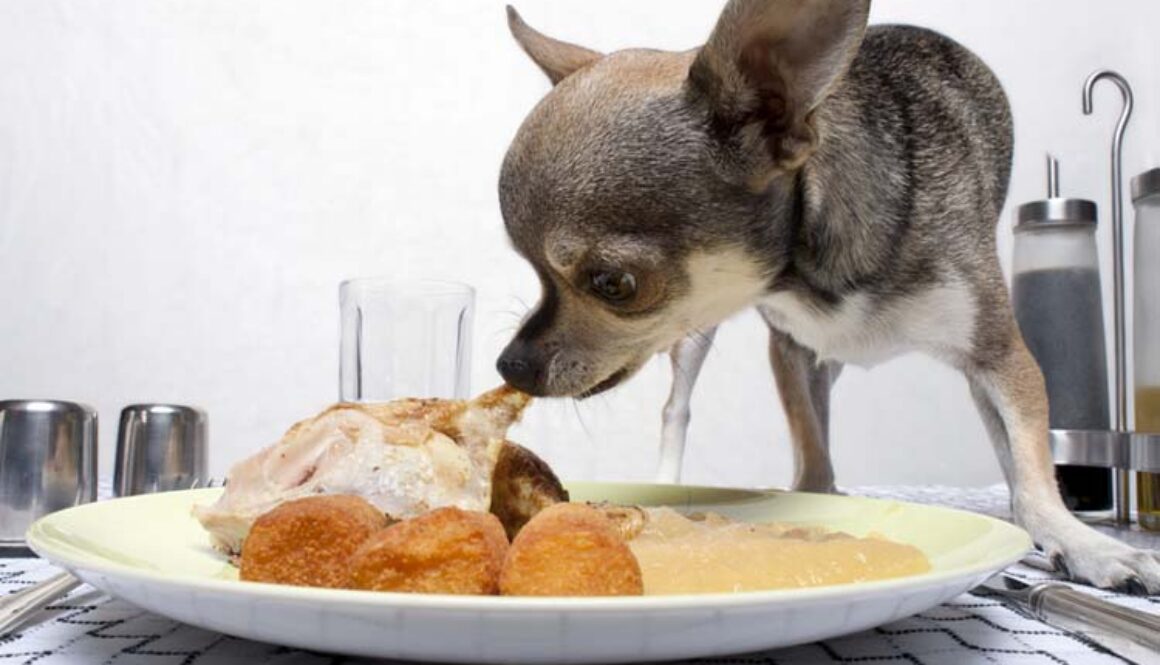
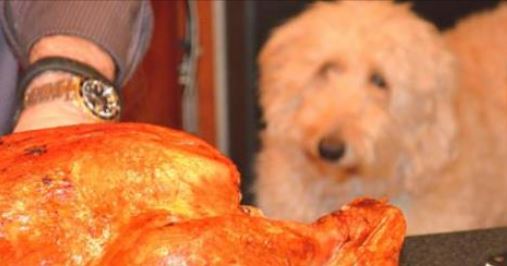 With elaborate dishes, especially prepared meats, vibrant libations and rich desserts, Thanksgiving is a time when most people overindulge. For pet owners, it is tempting to share tidbits of food with their dogs and cats. However, many of these delicious foods can make them sick. Avoid feeding pets table scraps and offer healthy food alternatives that will keep them safe and happy on this special day.