Celebrate Adopt a Senior Pet Month by bringing home an older dog or cat—or three.
A cat is a senior at 11 years of age and a dog is one at age 7, according to the American Animal Hospital Association (AAHA). If you ask owners of an 11-year-old cat or 7-year-old dog about the qualities and personalities of their pets, they’ll likely tell you that these “senior” animals are wonderful, playful, charming companions.
Throughout November, all pet lovers are invited to commend the special qualities of senior pets by celebrating Adopt a Senior Pet Month. Every year, animal welfare organizations and shelters highlight the traits and abilities that make older pets great companions for all types of households. Some of the traits mentioned frequently include:
Good behavior. Senior pets are past their wild and crazy kitten and puppy years, and have learned the good habits they need to be polite, nondestructive household residents.
Potty-trained. Most senior pets are already housetrained—unlike their younger counterparts.
Calm and quiet personalities. If you’re looking for a lap cat or couch snuggler, a senior pet will fit the bill. Instead of begging to play catch or go for long walks, these pets will love quiet moments with you.
Quick learners. Senior dogs and cats are more likely to pick up on new household rules—and follow them. Who knows? Maybe that older pet will teach you a trick or two as well.
Established personalities. While it might sometimes involve some guesswork to figure out the personality of a kitten or a puppy (is he really that friendly or just full of youthful energy?), with a senior pet, what you see is what you get. These lovable older pets have fully formed personalities, making it easier to match the pet to the rhythm and vibe of your household. (Bonus: You also know exactly how large the pet will become, because he’s already full grown.)
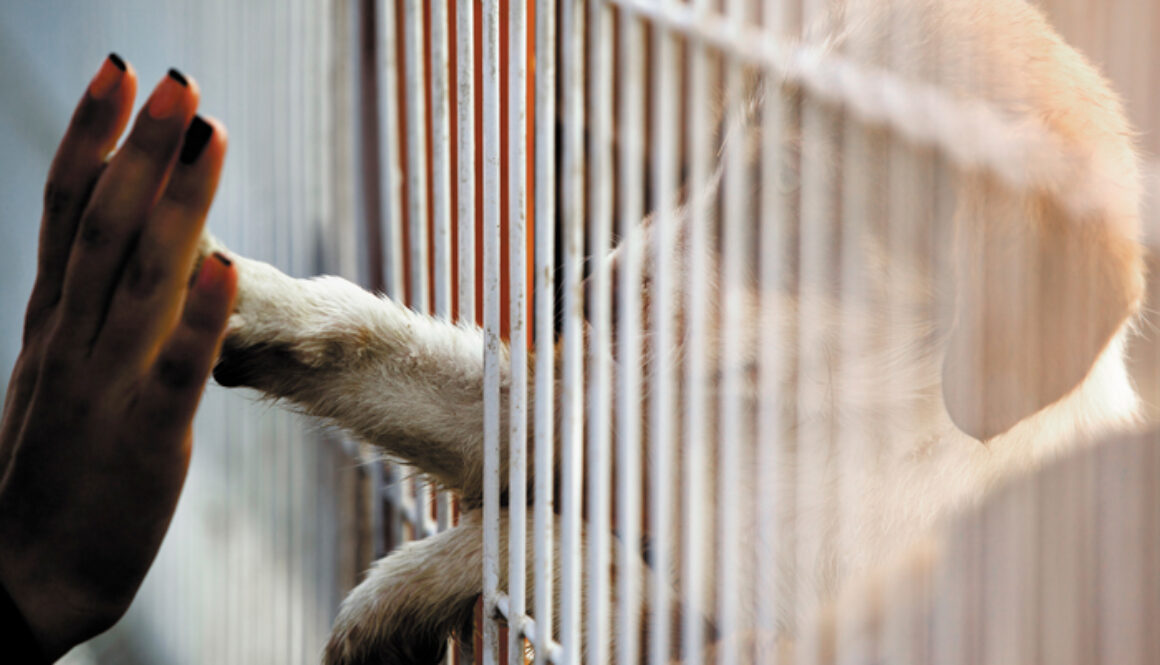
Shelter staff encourage pet lovers to consider senior pets, noting that the animals still have plenty of affection and love to give to a family. This month is set aside to highlight these special pets because older ones typically have a more difficult time finding a new home.
If you want to celebrate National Adopt a Senior Pet Month, the American Society for the Prevention of Cruelty to Animals (ASPCA) suggests contacting a shelter near you to learn about any planned adoption events. You can also help by spreading the word. Is your neighbor talking about adopting a new pet? Let him know how many wonderful senior dogs and cats are waiting for him at his local animal shelter. Mention Adopt a Senior Pet Month on your social media accounts, too.
About the Author: Stacy N. Hackett is an award-winning writer with more than 25 years’ experience in the pet industry. She is the former editor of Pet Product News and a former staff editor with Cat Fancy, Cats USA, Critters USA and Ferrets USA. To learn more about her work, visit stacynhackett.vpweb.com.
From poetry to fantasy to literary classics, felines are familiar denizens of literature.
Cats have a long cherished presence in literature; from ancient India’s “Mahabharata” and “Ramayana” (circa 5th/4th century BCE) to great classics from the 20th and 21st centuries. Bookshelves around the world contain stories and poems about cats in a range of genres, including mystery (e.g., “The Cat Who….” series by Lillian Jackson Braun), science fiction (e.g., Robert Heinlein’s “The Cat Who Walls Through Walls”), fantasy (e.g., “Tailchaser’s Song” by Tad Williams), poetry (e.g., T.S. Eliot’s “Old Possum’s Book of Practical Cats,” which was the basis for the musical Cats), satire (e.g., Mikhail Bulgahov’s “The Master and Margarita”), horror (e.g., Pet Cemetary by Stephen King and H.P. Lovecraft’s The Cats of Ulthar) and children (e.g., Dr. Seuss’ “The Cat in the Hat” and the French fairytale “Puss in Boots”).
Among the ones I remember best is a short story by Edgar Allen Poe called “The Black Cat.” You shouldn’t be surprised that it’s not a happy tale (pun intended). The story’s narrator has a black cat named Pluto. When the alcoholic narrator begins abusing the poor cat, the cat vows vengeance—and gets it when the narrator accidently kills his wife and walls her behind bricks to hide his deed. The narrator is caught when police hear sounds behind the wall and discover his wife’s body along with the cat, whom the narrator accidentally entombed as well.
One of my all-time favorite fictional cats is the mysterious and frequently disappearing Cheshire Cat in “Alice’s Adventures in Wonderland.” The vexing feline reminds Alice that the entire world is crazy—including her. He evades execution when he disappears while on the Queen of Hearts chopping block (prompting a brisk debate between the Queen of Hearts and her executioner about whether something without a body can indeed be beheaded.) And don’t forget that Alice had a cat, Dinah, in the “real” world, too.
A few more of my favorite fictional cats can be found in:
The Hunger Games trilogy: Buttercup is a scrappy ginger who is hated by heroine Katniss, but beloved by Primrose, her young sister. The feisty feline is quick to hiss at our heroine, but also keeps troops entertained by chasing a beam from a flashlight as they wait out an attack.
The Harry Potter series: Cats are common as “familiars” and pets for aspiring wizards. Crookshanks, who first appears in the third book is Hermione’s favored flat-faced cat who befriends Sirius Black; and Mrs. Norris is a red-eyed, standoffish tortie of Hogwarts’ caretaker, Argus Filch. Together, the tattle-tale cat and her caretaker patrol the halls of Hogwarts seeking out students who skip class or sneak out at night.
“The Last Battle” (final book in “The Chronicles of Narnia” series): Ginger, a talking cat who tells lies, he is a member of the ruling triumvirate and relishes the opportunity to create civil discord. After he and his cohorts lose the battle, Aslan, the book’s lion hero, silences Ginger by removing his ability to talk and bans him from entering Aslan’s Country.
Cats can also be found in plenty of nonfiction books, too. In “Homer’s Odyssey,” a blind, little black cat finds his home with Gwen Cooper, who discovers her home is best used as loving retreat for blind cats. And in “Making the Rounds with Oscar: The Extraordinary Gift of an Ordinary Cat,” Dr. David Dosa tells the story of a nursing home’s a cat who seemingly knows when patients are nearing the end and how Oscar helped him learn to listen.
The international sensation, “A Street Cat Named Bob” is the story of arguably the most famous busker cat in England who is credited for helping his owner overcome a heroin addiction and move up from the ranks of street musician to bestselling author. The duo has several other books out now and a movie scheduled for release in November 2016.
The last book on my list is the New York Times bestseller “Dewey: The Small-Town Library Cat That Changed the World,” which tells the true story about the power of love between species. It’s an inspiring, heroic tale that begins in tragedy when Dewey, a tiny, helpless kitten, was stuffed into the returned book slot at the Spencer Public Library in Spencer, Iowa. Only a few weeks old, he was taken in by library director Vicki Myron, a single mother with her own tragedies. For the next 19 years, this kitten who suffered through frostbite, abandonment and starvation, made his home in the library, offering comfort and inspiration to all who needed it most.
About the Author: Stacy Mantle is a fulltime freelance writer, bestselling author and founder of PetsWeekly.com. She resides in the deserts of the Southwest with a few dogs, several cats and a very understanding husband.
From the beginning, every U.S. president has kept some type of animal as a companion.
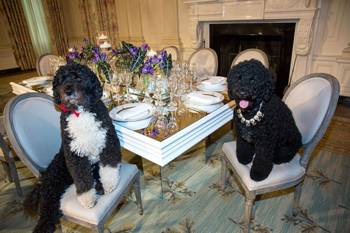
Obama family pets Bo, left, and Sunny sit at a table in the State Dining Room. Photo: White House Historical Assoc.
Once the election is over and a new president has been installed in the White House in January, the next big question will be what pets will also take up residence at 1600 Pennsylvania Avenue. Who will be romping or stalking around the Rose Garden, digging up any bones Bo and Sunny left behind or catching unsuspecting critters.
It was Harry Truman who said, “If you want a friend in Washington, get a dog.” And there have certainly been many first dogs—and first cats—throughout the years. All 43 presidents (technically 44 because Grover Cleveland is counted twice), kept pets of some kind. In fact, the White House has been home to a variety of some very unusual pets. Martin Van Buren had two tiger cubs (they were gifts from the Sultan of Oman and were eventually donated to a zoo) and William Howard Taft had a cow named Pauline Wayne.
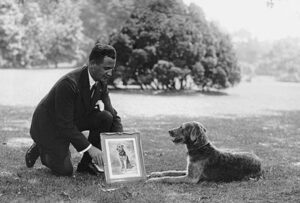
Warren G. Harding’s Airedale, Laddie Boy, was the first White House celebrity pet.
One of the most interesting menagerie undoubtedly belonged to Calvin Coolidge, America’s 30th commander-in-chief, and his wife Grace, who might have been trying to outdo Theodore Roosevelt’s extensive and eclectic collection. They had two raccoons named Rebecca and Horace, along with two cats, a donkey, a bobcat named Smokey as well as a wallaby, a cow, Pygmy hippos and a collection of birds that included canaries, a mynah bird, a parrot and a flock of chickens.
First Lady Grace Coolidge with Rob Roy (a white collie) and Harding’s Laddie Boy, whom she fostered for a while.
Past presidents have also given their pets some interesting names. George Washington had many dogs, including ones named Mopsey, Taster, Tipsy, Tipler Madam Moose and Sweetlips.
There have also been some weird houseguests. During John Quincy Adam’s presidency between 1825 and 1829, the Marquis de Lafayette visited for two months and brought his alligator along.
In the 20th century, Scottish terriers and various spaniels were popular presidential dogs. President Roosevelt had a Scottish terrier named Fala and George W. Bush had Miss Beazley who was often seen getting on and off helicopters on the White House lawn.
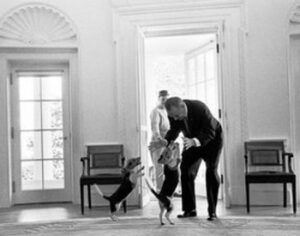
President Lyndon Johnson greets his two beagles, Him and Her.
Both President Reagan, and President George H.W Bush loved spaniels. Reagan had a King Charles spaniel named Rex and the Bushes’ Springer spaniels were named Millie and Ranger. While Spot, Millie’s offspring, lived in the White House with George W. and Laura Bush.
When President Clinton was in the White House, Buddy a chocolate Labrador, was in residence along with Socks, a beautiful tuxedo cat. (President Rutherford B. Hayes also had a cat, a Siamese named Siam.)
The feline tradition continued with George W. as America’s 43rd president had the cats India and Ernie. India was reputed to have kept the secret service on their toes by constantly escaping on to the roof of the White House through top floor windows and they were sent to retrieve her.
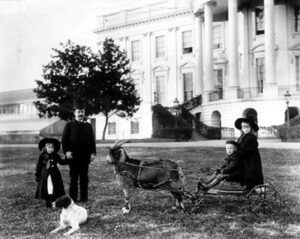
President Benjamin Harrison’s pet goat “Old Whiskers” and the family dog, Dash.
The media was all agog when President Barack Obama took office because he had promised his daughters a dog and, did in fact make good on that promise. Bo was a gift from the late Senator Ted Kennedy and in 2013, Sunny, another Portuguese Waterdog moved in as companion for Bo.
At one point, there was a museum in Washington that celebrated America’s presidential pets. A former White House dog groomer named Claire McLean started the Presidential Pet Museum.
Now in her eighties, Ms. Mclean is no longer able to run the museum and the entire collection is currently boxed and up for sale along with the aptly named website presidentialpetmuseum.com. If you’d like your own museum, you can bid on this unique collection on the auction site flippa.com.
About the Author: Sandy Robins is the 2013 winner of the “Excellence in Journalism and Outstanding Contribution to the Pet Industry Award.” Her work appears on many of the country’s leading pet platforms, such as MSNBC.com, MSN.com and TODAYShow.com. She is a regular contributor and columnist in multiple national and international publications, including Catster, as well as the author of the award-winning books “Fabulous Felines: Health and Beauty Secrets for the Pampered Cat” and “For The Love of Cats.” Learn more about Sandy on her websiteor Facebook page. #welovecats
The next time you have a movie night at home, don’t forget to include popcorn for your pup. Doggiee Snack Bar Organic Doggiee Pupcorn dog treats combine the fun of popcorn with the goodness of tasty meat and the benefits of a low-calorie treat. Available in two flavors—Organic Beefy Pupcorn and Organic Chicken Pupcorn—the treats are made with just two ingredients: all-natural popcorn and organic beef or chicken flavoring. The popcorn comes in 19.5 oz. eco-friendly burlap bags. doggieesnackbar.com doggieesnackbar.com/beefpupcorndoggieesnackbar.com/chickenpupcorn
The Vesper V-Playstation for cats is a small yet fun-packed discovery center, play area and learning device all-in-one. Cat enticing in whichever position you place it: upright, horizontal or even on its side, it is designed to create maximum diversity for your cat. The playstation features a soft cushion, a replaceable sisal scratching mat, natural seagrass post and a rattan ball that is clicked into place with a safety closure. Made of high-quality MDF laminate, it comes in natural wood, white or walnut-look laminate and is 14.57 x 9.25 x 17.32 inches in size (LWH). vesper-cats.comcatit.com
Squeak is the newest member of the Orbee-Tuff® family of dog toys from Planet Dog. Just as durable as the original but now with a fun sound your dog is sure to love, the bouncy, buoyant, minty and chewy ball features a unique, patent-pending squeaker that contains no adhesives or glues, making it 100-percent nontoxic. Three-inches round, the Squeak is available in two fun colors—bright orange and clear-sky blue—and has a 5/5 durability rating for the most aggressive chewers. Like all Orbee-Tuff toys, it is made in the USA and 100 percent guaranteed. planetdog.com
PureBites® Mixers for cats are made with 100 percent pure meat. Formulated for use as a topper, mixer, appetizer or treat, their aroma, texture and freshness will help satisfy your cat’s carnivorous cravings. Naturally high in protein with only 30 calories per 1.76-oz. tray, PureBites Mixers come in five recipes, which contain only chicken and/or fish and water: chicken breast, wild skipjack tuna, chicken breast & wild ocean shrimp, wild skipjack tuna & Alaskan salmon, wild skipjack tuna & chicken breast. www.purebites.com
The Popware for Pets™ Collapsible KlipScoop™ combines two functions into one convenient tool. The scoop is designed give you precise portion control when feeding your cat or dog—the cup’s pre-measured volume helps avoid overfeeding. The attached clip effortlessly seals a pet food or treat bag and collapses flat for easy storage and when in use as clip. The KlipScoop is dishwasher safe and comes in three cup sizes: small, 0.5 cup; medium, 1 cup and large, 2 cups. All Popware for Pets™ products are made with certified food-safe material and are designed to be lightweight, durable and collapsible. dexas.com/popwareforpets store.dexas.com/collapsible-klipscoop/
PawFlex Wickedly Potent! dog shampoos are formulated with pure essential oils, botanical butters and healthy plant oils, such as olive and coconut to help nourish and care for your dog’s skin and coat—and be kind to our planet at the same time. The shampoos are produced in small batches to ensure freshness, consistency and perfection. They come in clear 8.5-oz. bottles so you can see the ingredients’ natural colors—no dyes or coloring ingredients are use. The shampoos are available in eight formulas for a variety of benefits: Calming, Itchy Mutt, Puppy Love, Healing Skin, Achy Joints, Flea & Ticks, Smelly Dog and The Everything Shampoo! pawflex.com
New Age Pet’s Habitat ‘n Home Jumbo Litter Loo for cats is designed to accommodate the largest sized litter boxes as well as smaller ones. Featuring a larger overall size to accommodate larger pans and self-cleaning litter boxes, the Loo’s pull down front panel makes installation and removal of the litter box a snap and the shelf provides storage space for litter box accessories and tools. Made of ecoFLEX™, a non-toxic composite material comprised of recyclable polymers and reclaimed poplar, the Jumbo Litter Loo is available three colors: Espresso, Russet and Antique White. newagepet.net
earthbath Tushy Wipes for pets provide a safe and convenient way to keep your dog’s tush fresh, clean and odor-free between baths or after an unfortunate accident. Gentle and nonirritating, the wipes are formulated with baking soda and natural enzymes to neutralize unpleasant odors They are the professional groomer’s choice to express anal glands, which helps prevent the dreaded scoots. The specially textured wipes also contain mild yet effective cleansers to remove stuck on mess and stains, as well as aloe vera, vitamin E and chamomile to provide soothing relief. They are safe for use on all animals who are more than 6 weeks old. earthbath.com
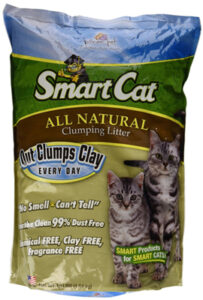
SmartCat All Natural Litter for cats is made from 100 percent USA-farmed grasses—a renewable resource—and has no added chemicals or fragrances. The litter forms hard clumps quickly when exposed to liquid to help capture odors at the same time. It is 99-percent dust-free, providing a healthier litter box environment and its soft, sand-like texture helps eliminate tracking issues. Safe for cats of all ages, the biodegradable, lightweight litter (it weighs half as much as clumping clay litters) comes in 5- 10- and 20-lb bags. smartcatlitter.com
What better time to get a new pet than during adopt-a-dog month.
A local shelter or rescue is the ideal place to find the perfect dog for your family. Christopher Futcher/iStock
While any month is a great month to adopt a dog from your local animal shelter, the month of October holds a slight edge over all the others. Since 1981, the American Humane Association (americanhumane.org) has celebrated “Adopt a Dog Month” in October, and as the organization has for 35 years, it encourages animal lovers to “save lives and enhance their own lives by adopting a dog from a shelter or rescue group.”
AHA established the event to draw attention to the wonderful variety of dogs available at animal shelters and through rescue organizations. As the organization’s website states, a local shelter “is the perfect place to find dogs of every type, size, age and personality—all waiting for a loving home.”
October also has the distinction of being “Adopt a Shelter Dog Month,” as designated by the American Society for the Prevention of Cruelty to Animals (aspca.org). ASPCA, based in New York City, encourages potential dog owners to consider adopting from shelters before looking elsewhere for that perfect pet.
Are you ready to celebrate Adopt a (Shelter) Dog Month? AHA suggests checking with your local animal shelter to find out if it has planned any special adoption events. Many shelters will lower adoption fees, provide discounted health checks or offer dog-care goodies such as collars, leashes, toys or treats to new owners who adopt dogs in October. If you have been considering adopting a dog, now might be the perfect time.
Here are a few other ways you can help homeless dogs:
If you are currently unable to adopt a dog in need, consider volunteering at and/or donating to a local shelter or rescue. VILevi/iStock
Volunteer at your local animal shelter or rescue group. You might have a special talent the shelter needs (such as accounting or marketing) or you might simply be a helping hand.
Donate to your local animal shelter or rescue group. Many shelters also appreciate donations of supplies. Check to find out what they need.
Have your dog spayed or neutered (if you haven’t done so already). In this way you will do your part to help prevent pet overpopulation.
Make sure your dog has proper identification, such as a properly fitting collar with ID tag, a microchip or both.
Spread the word. Is your coworker or neighbor talking about getting a dog? Let him know how many wonderful canine companions are waiting for him at his local animal shelter. Mention Adopt a Dog Month on your social media accounts, too.
About the Author: Stacy N. Hackett is an award-winning writer with more than 25 years’ experience in the pet industry. She is the former editor of Pet Product News and a former staff editor with Cat Fancy, Cats USA, Critters USA and Ferrets USA. To learn more about her work, visit stacynhackett.vpweb.com.
No matter how tempting they might be, you can train your cat to leave them alone.
It’s impossible to explain to a cat that the beautiful new palm tree in a stunning ceramic pot in the living room is not a litter box.
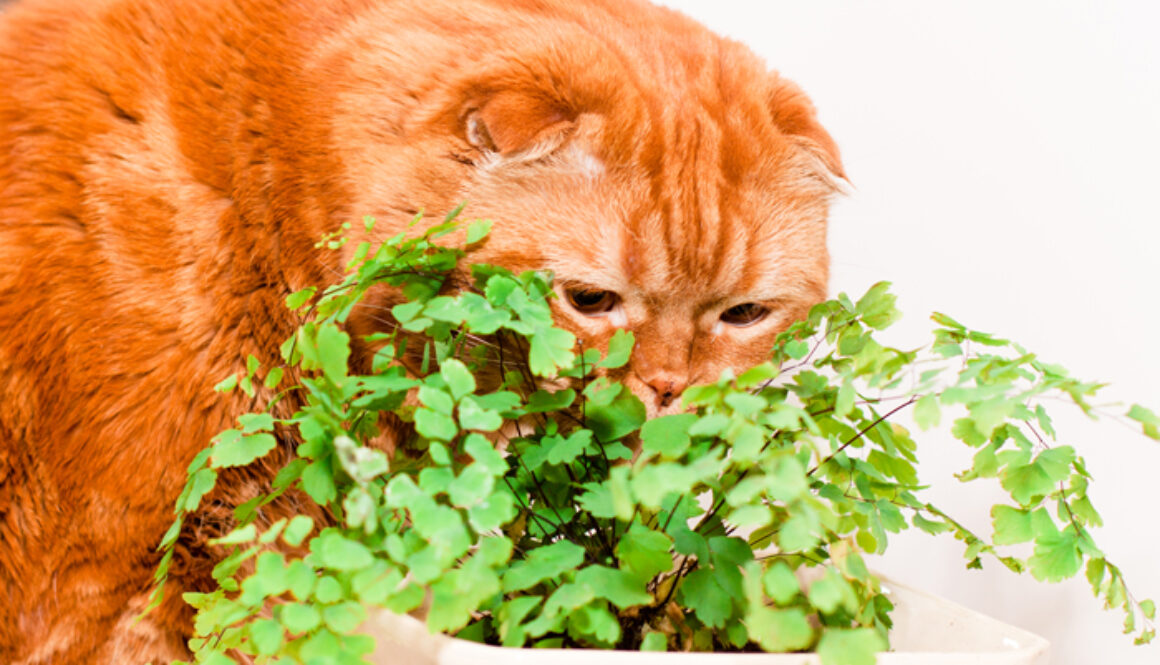
Cats can’t help but be curious about houseplants; they’re a one-stop scratching, playing, pooping center. Grigorii_Pisotckii/iStock
A cat sees soil and can’t resist the temptation to scratch around in the dirt, flicking it all over the floor and then proceeding to pee or poop. It’s instinctive behavior. To the make matters worse, the trunk of the plant is “interpreted” to be a scratching post. And the palm fronds? Well, from a feline perspective, they are designed for batting around and playing with because they “respond” by moving.
You need to keep your cats out of your houseplants for two reasons: 1) to prevent messes and their associated bad smells; and 2) to keep your cats safe and healthy—many houseplants are toxic to pets. Silk plants are not always the answer because some cats will still play with them and attempt to chew on them, too.
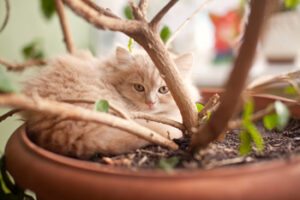
Placing small stones in a planter can help keep your cat from using it as a litter box, but not necessarily as a bed. _lolik_/iStock
It’s essential that you let your cat know that all your indoor houseplants—irrespective of size—are a No Cat Zone right from the very beginning. Ordinary kitchen ground white pepper is your new best friend. If you sprinkle the soil area of the pot and the lower leaves, you cat will come, sniff, sneeze—and leave it alone.
If your cat persists with her digging adventures, consider placing small decorative stones to mask the soil in your pots. Don’t go for anything too small as some cats may be tempted play and swallow them. If your kitty is still showing interest, place a layer of chicken wire over the soil and then place the stones on top of it.
Providing your cat with some potted cat grass or catnip could help keep her out of other plants. NataliaSokko/iStock
When it comes to stopping your cat from playing with the leaves, consider spraying some nontoxic bitter aloes onto them. This is the same product used to stop nail biting and is available from pharmacies.
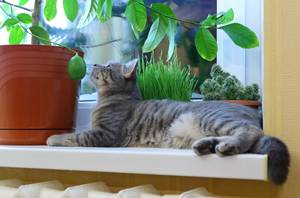
You can also divert her attention away from your decorative foliage by giving her a little container of fresh catnip or wheat grass placed strategically near her water or food bowl. This should satisfy her craving for edible greenery and keep your houseplants intact.
Finally, when you are shopping for houseplants, keep in mind that some favorites, such as orchids and African violets, are nontoxic and a safer bet—just in case your cat attempts to nibble….
The following houseplants are listed as highly toxic and should be avoided if your cat shows too much interest in your indoor greenery.
Lilies: As beautiful as they are, they are highly toxic to pets and can cause severe kidney damage.
Tulip/Narcissus: The bulb portions of these plants contain toxins that can cause intense gastrointestinal irritation, drooling, loss of appetite, central nervous system depression, convulsions and cardiac abnormalities.
Cyclamen: This plant contains cyclamine; the highest concentration of this toxic component is typically located in the tuber (root) portion of the plant.
Kalanchoe: This plant can cause gastrointestinal irritation and also seriously affect cardiac rhythm and heart rate.
Poinsettia: The plant’s brightly colored leaves contain a sap that is irritating to the tissues of the mouth and esophagus.
About the Author: Sandy Robins is the 2013 winner of the “Excellence in Journalism and Outstanding Contribution to the Pet Industry Award.” Her work appears on many of the country’s leading pet platforms, such as MSNBC.com, MSN.com and TODAYShow.com. She is a regular contributor and columnist in multiple national and international publications, including Catster, as well as the author of the award-winning books “Fabulous Felines: Health and Beauty Secrets for the Pampered Cat” and “For The Love of Cats.” Learn more about Sandy on her websiteor Facebook page. #welovecats
A natural behavior that can seem harmless, jumping up could cause problems for some people, particularly for those who are frail or afraid of dogs. Jonathan Clark/Moment/Getty Images
Every dog has jumped up at some time in his life. Whether dogs are jumping up on people to greet them or jumping up on the furniture, our canine companions sometimes have trouble keeping all four feet on the floor.
Although jumping up is a natural behavior for dogs, it can cause problems for humans. When a dog jumps on a child or elderly person, he could cause serious damage by knocking that person to the ground. Even small dogs can hurt someone by jumping up and accidentally scratching the person with sharp nails.
Jumping up on the furniture is another natural behavior for dogs. While some pet parents don’t mind their dogs on the couch, others have a strict “no furniture” policy. If you don’t want your dog on the couch, you have the right to enforce that rule.
Whether or not you opt to train your dog to stay off the couch, keep in mind that he’ll probably get on it while you’re away. imagine632/iStock
Because dogs naturally jump up on people and furniture, they have to be taught that this behavior is unacceptable. Before you teach your dog not to jump up, it’s helpful to understand why he’s doing it.
When dogs are excited, they want to let you know it. From a dog’s perspective, flinging his body at you with full force is a great way to express his joy. If he’s a small dog, he probably wants to get as close to your face as possible to give you some licks.
Dogs who jump up on the couch are doing it to get close to you or to just find a more comfortable place to sleep. Your dog sees you sitting and lying on the couch, and figures it’s available to him, too.
If your dog is still a young puppy, do not allow the jumping-up-on people habit to start. Get him into puppy kindergarten class as soon as he’s old enough to go. tatyana_tomsickova/iStock
When it comes to teaching your canine companion not to jump up, it can be challenging to recondition a dog who has been doing this his whole life. That said, it’s still worth a try. Start with basic obedience training so your dog sees you as the leader. Enroll in an obedience class and tell the instructor you need help teaching your dog the “off” command. If your dog is still a young puppy, get him into puppy kindergarten class as soon as he’s age-eligible (depending on the training school’s requirements). Do not allow the jumping-up-on-people habit to start. Your instructor will help you teach your puppy to avoid developing this behavior.
If your dog jumps up on the furniture, you have a tougher road ahead in training. It’s difficult to get a dog out of the habit of jumping up on the couch once he’s been doing it as part of his every day routine. At the very least, you will probably have success at keeping him off the couch when you are present. Do this by telling him “off” as you take him by the collar and lead him down to the floor. If you are consistent, he’ll catch on. However, don’t delude yourself into thinking he won’t jump up on the couch when you’re not around to stop him. The only way to prevent this is to confine him to a different room, an exercise pen or a crate whenever you’re not home.
About the Author: Audrey Pavia is an award-winning freelance writer and author of “The Labrador Retriever Handbook.” She is a former staff editor of Dog Fancy, Dog World and The AKC Gazette magazines. To learn more about her work, visitwww.audreypavia.comandhollywoodhoofbeats.net/
Even though stores have been displaying Halloween-themed items since August, we’ve finally reached the holiday’s home month, which is why I’m giving you a look at some of the fun new costumes that are available for all kinds of pets.
Yes, you read that correctly. This year, the whole family can get in on the act. Marshall Pet is offering cute little costumes for ferrets. Be sure to read the guidelines about dressing up ferrets before you try to wriggle your mustelidae (Mustela putorius furo to be exact) in one. The bee costume is perfect for busy ferrets and it also has a festive Pumpkin Patch costume. If your ferret casts love spells over friends and family, check out the cute witch costume.
The Tarantula made video news last year when a man dressed his small dog up as a giant spider and terrorized those out for their evening walk (don’t do that; it’s a good way to get your dog seriously injured). Instead, try out a startling lifelike fuzzy tarantula from Zack & Zoey. If also offers other creepy costumes, such as a scorpion, as well as a plethora of adorable ones (mermaid, dragon, owl, giraffe and more). You can find Zack & Zoey costumes at Amazon.com, BaxterBoo.com and other online retailers as well as several independent pet stores.
Your dog might also make a great dinosaur and if that’s the case, check out the range of costumes by Animal Planet. You can dress up your dog as a stegosaurus, raptor or triceratops. And if dinosaurs aren’t your thing, you could select from a wide variety of critters by Animal Planet, including bats, butterflies, whales, sharks, tortoises, zebras, etc. The costumes are available from Amazon.com and other online retailers.
New this year for dogs is the Troll costume, which will also be the star attraction in theatres this fall. The Troll is part of the new AKC Pet Costume line by BH Pet Gear, which features a variety of fun, adorable, comfortable and safe dress-up options, including an elephant, shark, monkey, pumpkin, wonder dog and devil. All the AKC-brand costumes are available online and in independent pet stores.
If you’re not sure your dog would enjoy wearing a costume (and many dogs are not interested in doing so), then don’t force them. There are many other options, such as specially designed paint for pets from PetPaint. It offers a variety of Stencil Packs as well as individual Halloween-themed stencils and, of course, a variety of pet-safe spray paint colors. Remember, this might not be for every dog, as some cannot tolerate the noise the spraying makes during application. There is no reason to stress out your pets.
If you need something a little less intense for pets, remember that a clever bandana or collar is just as decorative as a costume. There are hundreds of different designs to choose from and very few pets would find one difficult to wear.
Cats rarely submit to wearing a costume, but there are some who willingly (or grudgingly) accept playing dress up. There are a few costume options for those of you with obliging cats. SpiritofHalloween.com has a few cat-specific costumes (an aristocrat, Cleopatra, etc.) as well as an extensive range for dogs. And, of course, you can find practically anything on Amazon.com, including an adorable lion costume.
If you cannot get your cat into a costume without risking bodily harm, consider dressing yourself up with your cat as a prop. You could have your cat on hand for picture or two and then replace her with a stuffed animal while you’re at parties or out roaming the neighborhood. One of my favorites is Alice in Wonderland the Cheshire Cat. You could even pick up a Cheshire cat costume for your small dog or willing cat. Have a white rabbit as a pet? Even better! The Mad Hatter makes an excellent change from the traditional Alice costumes.
Whichever costume option you choose, keep your pet’s comfort foremost in mind. Some animals prefer to go au naturel during the holidays and that’s perfectly fine; you need only apply your creativity to come up with a costuming solution that works. And remember, safety always comes first; check out last year’s article about pet safety tips.
About the Author: Stacy Mantle is a fulltime freelance writer, bestselling author and founder of PetsWeekly.com. She resides in the deserts of the Southwest with a few dogs, several cats and a very understanding husband.
Three Dog Bakery’s From Our Kitchens Meaty Filet Strips and Soft Baked Wafers are packed with the perfect amount of protein in every bite. The meaty dog treats are grain- and gluten-free and contain no artificial ingredients. The filet strips come in three flavors—Chicken with Apples, Duck with Cranberries and Pork with Blueberries—in 26-oz. containers, which contain approximately 140 treats. The soft-baked wafers come in Chicken with Apple and Duck with Cranberries in reseal-able 12-oz. bags. threedog.com
If your cat loves fish, consider adding Cat Sushi cat treats from SF Pet Foods to your shopping list. Made from just one ingredient—100 percent skipjack tuna—the all-natural, flaked treats are high in protein and low in fat, making them deliciously healthful for discerning felines everywhere. Using an ancient process that slowly dries the fish and then slices it into extremely thin pieces, Cat Sushi features only the largest flakes. It is great as an appetizer or a standalone treat and can be mixed in with dry or wet food. cat-sushi.com
Canidae’s Under the Sun grain-free and potato-free dog and cat foods are made with farm-fresh fruits and vegetables (peas, chickpeas, tomatoes, butternut squash, zucchini, carrots, pumpkin, green beans, blueberries, and apples) and quality, single-animal-protein sources. The cat food line comes in four dry recipes in 2.5- 5- and 10-lb. bags: two for adult cats (turkey and salmon), one for indoor cats (chicken) and one for kittens (chicken). The six pate recipes for cats of all ages include trout, turkey, seafood, salmon, duck and chicken. The dog food line features five kibble varieties for adults in 4-, 12- and 25-lb. bags: lamb, whitefish and chicken, the latter also comes in small- and large-breed formulas. The canned food comes in salmon, lamb and duck recipes for adults as well as chicken for puppies. underthesunpetfood.com
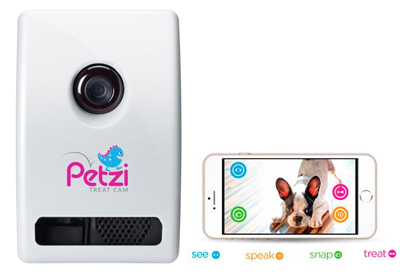
Ever wondered what your dog does at home while you’re away? The Petzi Treat Cam™ lets you check in on your pets and share treats with them from anywhere at any time. The app-controlled, Wi-Fi-connected remote pet treat dispenser makes it easy to check-in and interact with your pet from any smartphone or tablet. The cam features a wide-angle camera with night vision, high-quality audio and a universal treat launcher that works with any dry, crunchy treat smaller than 1 inch. It comes with multiple mounting options so that you can place the treat cam wherever it best suits your needs. A dedicated iOS or Android app controls the device and makes it easy to share captured images. petzi.competzi.com/shop
Turn your cat’s fantasy of teasing the bird of the house into a reality with OurPets’ Bird in a Cage cat toy. The electronic toy is designed to engage your cat in plenty of physical activity and mental stimulation. Its lifelike bird—with RealBird™ sound—mimics the fluttering movement and chirping noise of a wild bird, enticing cats to play, while the cage’s wobble base keeps them in hunting mode. ourpets.com
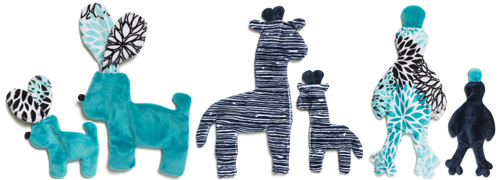
Unstuffed and utterly adorable, these super-soft floppy dog toysfrom West Paw Design are perfect for canines who love to cuddle, snuggle, shake and toss fluffing-free friends. Created to withstand the most vigorous shaking and pouncing, the stuffing-free toys include a squeaker or two for added interest and come in three shapes—Floppy Dog, Floppy Quack and Floppy Giraffe—and two sizes for larger and smaller breeds. The large Giraffe and Quack are 14-in. long, Dog is 7 in. and the small Giraffe is 8.5-in. long, Quack is 8-in. and Dog is 4.5 in. Handcrafted in Montana, all floppy toys are machine washable and dryer safe. westpawdesign.com
Nekochan’s handcrafted and extremely realistic Neko Flies cat toys are designed to provide hours of exercise and fun for your cat—and you. Made with only cat-safe materials, the dangling toys come in eight critter shapes that are sure to captivate your cat: a creepy, crawly spider with dangly legs; an iridescent-winged dragonfly; a furry and a fluffy long-tailed mouse; a dangly legged centipede; a long-tailed cicada; an iridescent winged butterfly; and a BirBug (part-bird, part-bug). The toys attach to either a basic, 22-in. clear acrylic rod or an adjustable (18, 25 and 32 in.), telescoping rod made of graphite material. nekoflies.com
P.L.A.Y.’s Pet Teepee provides a fun and safe snuggle space for your pet, and adds an architectural design element to your home. Constructed of 100 percent, cotton canvas and pinewood poles, the cozy hideout features a circular front opening and removable interior cushion, making it great spot for your dog or cat to play or nap. Designed for easy set-up and care (the canvas is machine washable and dryer friendly), the durable Pet Teepee comes in four styles—Moroccan pattern in navy blue or marsala, denim and classic—measuring 24.8 x 24.8 x 29.1 inches in size. petplay.com
Get your dog packed up and ready to go on a long or short hike with Kurgo’s lightweight, tough, adjustable-fit Baxter Pack dog backpack. Designed to withstand rugged outdoor conditions, it has eight different adjustment points to get the proper fit for any dog. The backpack includes a rear-mounted leash hook that works like a harness and the ergonomic padded spine support contours to a dog’s back for a comfortable fit and provides weight distribution for the two saddlebags. The pack has space to store all of your canine’s travel essentials (food, treats, toys, first-aid supplies and travel bowls) and includes a large handle to help dogs over rock scrambles or extract them from water. Available in two sizes, the pack comes in Barn Red, Coastal Blue, Sea Glass, Purple & Gray, Black & Orange and Ink Blue & Electric Green. kurgo.com
Handcrafted from real wood and designed to complement any room, the Curio® reimagines the cat litter box as a piece of fine furniture. Inspired by classic mid-20th century design, it is made in the USA of furniture-quality, pre-finished europlywood. Inside is a custom-fitted Curio Litter Liner litter pan, which is constructed from durable, waterproof polymer and features 10-in. high walls for litter retention and side handles for easy lift out. (The Curio also accommodates many standard size litter pans.) It is available in three styles: maple, walnut and patterned walnut and comes with a 30-day money-back return policy and is covered by a limited one-year warranty. curio-craft.com
Heroes come in different shapes and sizes—and species. While cats, horses and even parrots have performed acts that have saved lives, dogs hold the record for the most acts of heroism in the animal kingdom. Here are just a few canine heroes.
Duke
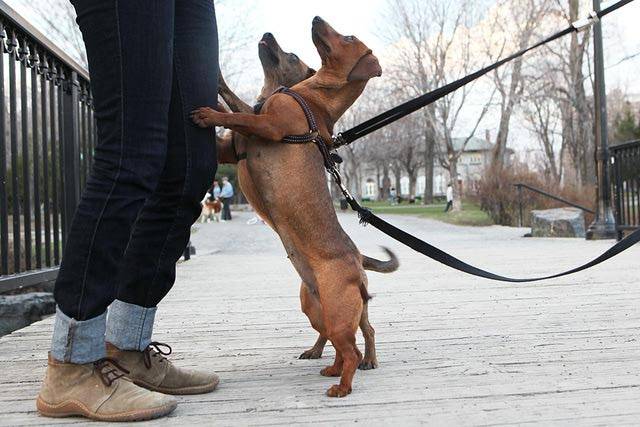
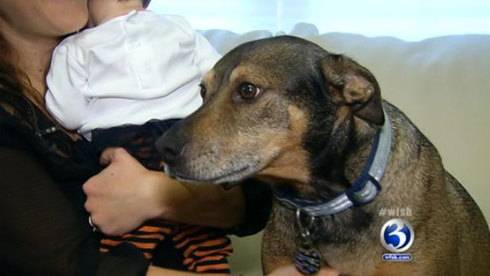
A rescued Dachshund named Duke saved the life of his infant “sister,” Harper Brousseau, in 2012, in Portland, Conn. The little girl’s parents woke up one night with Duke jumping on the bed, shaking violently. The Brousseaus had never seen him act this way and knew something was wrong in the house. They ran into the baby’s room and found that Harper wasn’t breathing. They called 911 and paramedics revived the baby before taking her to the hospital, where she made a full recover. Harper’s parents credit Duke with saving their daughter’s life.
John D
Photo courtesy of Verna Higgins/VHiggins Photography
All search and rescue dogs are heroes, but some stand out among the rest. One of these dogs is John D, a rescue Border Collie who is capable of detecting ovarian cancer in humans, as well as recovering victims of drowning and natural disasters. In 2013, John D became part of the Ovarian Cancer Detection Study at University of Arkansas for Medical Science, and was trained to detect cancer in urine samples. For his work, he was named the American Humane Association 2013 Hero Dog of the Year.
Xena the Warrior Puppy
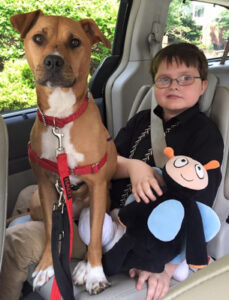
Some dogs are heroes in small ways. Such as Xena the Warrior Puppy, who nearly died before going on to become a miracle worker to a little boy with autism.
Xena was brought into a Dekalb, Ga., animal shelter by a good Samaritan in 2013 after collapsing in a front yard. It appeared she had been locked in a cage without food or water for a long time. She was near death.
With vet care and nursing by a shelter employee, Xena recovered and was placed up for adoption. When the mother of an autistic boy named Jonny saw Xena’s picture online, she fell in love with her.
Jonny’s autism left him uncommunicative. However, that all changed the day the family adopted Xena. Jonny bonded instantly with Xena, and the two became inseparable. The once silent boy became interactive and chatty. His parents credit Xena with this miracle.
Cairo
In May 2011, when Navy SEAL Team Six raided the compound of Osama bin Laden, they did so with the help of a Belgian Malinois named Cairo. Cairo’s job was to assist the SEALs by sniffing for explosives, searching for false walls or hidden doors, and keeping people in the neighborhood from coming close to the compound.
A few days after the successful raid, President Obama met with the members of SEAL Team Six. The team included Cairo, who received presidential congratulations for a job well done.
Bruno
Photo courtesy of the Anaheim Police Department
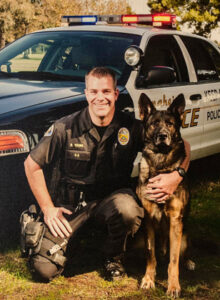
In March 2014, a German Shepherd named Bruno and his human partner, Anaheim Police Department Officer R.J. Young, responded to a call of a man firing on probation officers. Bruno found the shooter hiding in a trashcan. When Bruno lifted the lid of the can, the man started shooting. Bruno was struck in the face. Police fatally wounded the shooter, and Bruno was rushed to the hospital.
After numerous surgeries to repair his jaw over a two-year period, Bruno was eventually euthanized in May 2016 due to complications from his injuries. He is remembered by the City of Anaheim, Calif., as a canine hero who protected the lives of the city’s human officers.
About the Author: Audrey Pavia is an award-winning freelance writer and author of “The Labrador Retriever Handbook.” She is a former staff editor of Dog Fancy, Dog World and The AKC Gazette magazines. To learn more about her work, visitwww.audreypavia.comandhollywoodhoofbeats.net/
Rating A+ The BBB only accredits the business management of a school, not the quality of the curriculum, or training programs.
STATE LICENSURE AND APPROVAL
Animal Behavior College is a private vocational school approved by the Bureau for Private Postsecondary Education (www.bppe.ca.gov) under the California Private Postsecondary Education Act of 2009 and Title 5. California Code of Regulations Division 7.5. Private Postsecondary Education. The Bureau for Private Postsecondary Education approval means that this institution and its operation comply with the standards established under the law for occupational instruction by private postsecondary educational institutions. Institutional approval is subject to continual review and the institution must reapply for approval every five years.
DISCLAIMER
Please be advised that Animal Behavior College (“ABC”) is the exclusive entity authorized to provide certifications and/or degrees from Animal Behavior College. Moreover, such certifications and/or degrees are only conferred by ABC following a student’s completion of an ABC-administered program. No other entity or individual has authority to confer certifications and/or degrees on ABC’s behalf. Any other entity or individual who attempts to do so is acting without express or implied authority from ABC.
GI BILL® TRADEMARK ATTRIBUTION
GI Bill® is a registered trademark of the U.S. Department of Veterans Affairs (VA). More information about education benefits offered by VA is available at the official U.S. government Web site at https://www.benefits.va.gov/gibill
Animal Behavior College, 27509 Avenue Hopkins, Santa Clarita CA 91355-3910 Contact Us


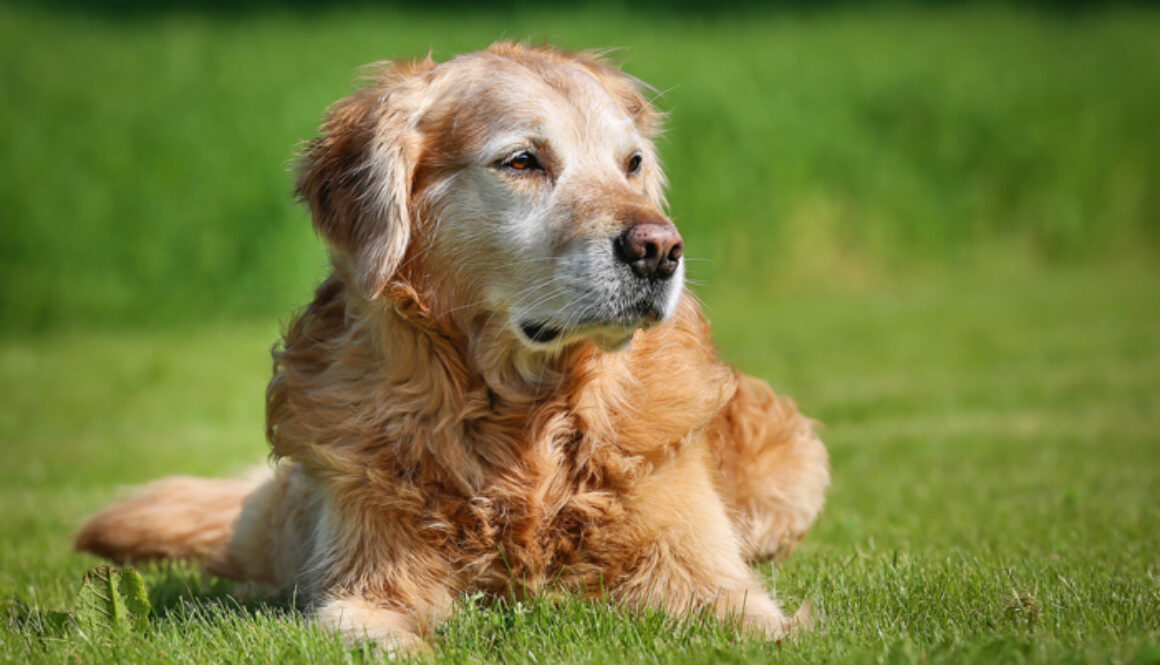
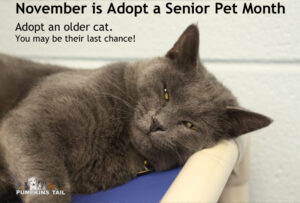 A cat is a senior at 11 years of age and a dog is one at age 7, according to the American Animal Hospital Association (AAHA). If you ask owners of an 11-year-old cat or 7-year-old dog about the qualities and personalities of their pets, they’ll likely tell you that these “senior” animals are wonderful, playful, charming companions.
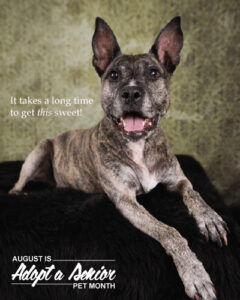 Good behavior. Senior pets are past their wild and crazy kitten and puppy years, and have learned the good habits they need to be polite, nondestructive household residents.
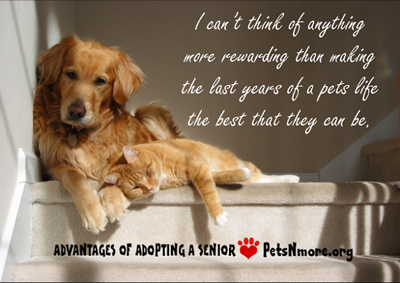 Shelter staff encourage pet lovers to consider senior pets, noting that the animals still have plenty of affection and love to give to a family. This month is set aside to highlight these special pets because older ones typically have a more difficult time finding a new home.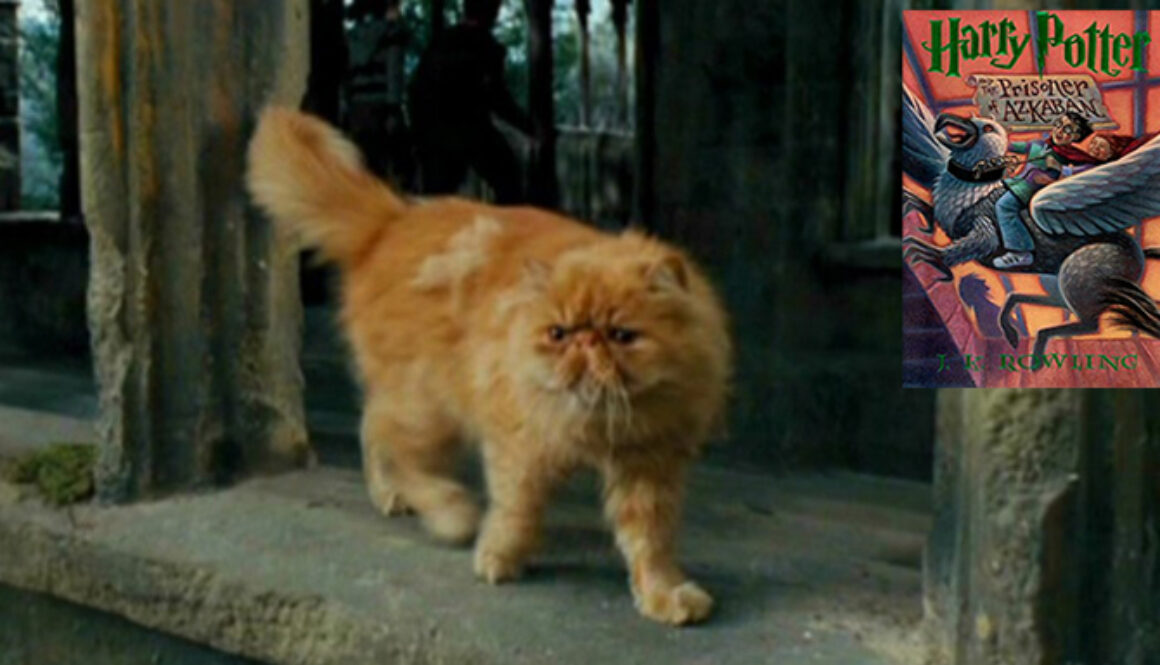
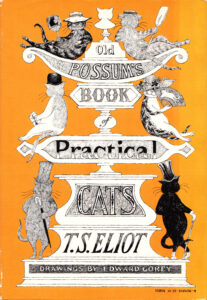 Cats have a long cherished presence in literature; from ancient India’s “Mahabharata” and “Ramayana” (circa 5th/4th century BCE) to great classics from the 20th and 21st centuries. Bookshelves around the world contain stories and poems about cats in a range of genres, including mystery (e.g., “The Cat Who….” series by Lillian Jackson Braun), science fiction (e.g., Robert Heinlein’s “The Cat Who Walls Through Walls”), fantasy (e.g., “Tailchaser’s Song” by Tad Williams), poetry (e.g., T.S. Eliot’s “Old Possum’s Book of Practical Cats,” which was the basis for the musical Cats), satire (e.g., Mikhail Bulgahov’s “The Master and Margarita”), horror (e.g., Pet Cemetary by Stephen King and H.P. Lovecraft’s The Cats of Ulthar) and children (e.g., Dr. Seuss’ “The Cat in the Hat” and the French fairytale “Puss in Boots”).
 Among the ones I remember best is a short story by Edgar Allen Poe called “The Black Cat.” You shouldn’t be surprised that it’s not a happy tale (pun intended). The story’s narrator has a black cat named Pluto. When the alcoholic narrator begins abusing the poor cat, the cat vows vengeance—and gets it when the narrator accidently kills his wife and walls her behind bricks to hide his deed. The narrator is caught when police hear sounds behind the wall and discover his wife’s body along with the cat, whom the narrator accidentally entombed as well.
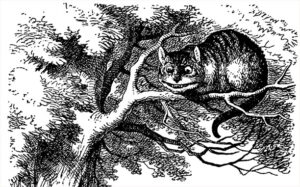 One of my all-time favorite fictional cats is the mysterious and frequently disappearing Cheshire Cat in “Alice’s Adventures in Wonderland.” The vexing feline reminds Alice that the entire world is crazy—including her. He evades execution when he disappears while on the Queen of Hearts chopping block (prompting a brisk debate between the Queen of Hearts and her executioner about whether something without a body can indeed be beheaded.) And don’t forget that Alice had a cat, Dinah, in the “real” world, too.
 The Harry Potter series: Cats are common as “familiars” and pets for aspiring wizards. Crookshanks, who first appears in the third book is Hermione’s favored flat-faced cat who befriends Sirius Black; and Mrs. Norris is a red-eyed, standoffish tortie of Hogwarts’ caretaker, Argus Filch. Together, the tattle-tale cat and her caretaker patrol the halls of Hogwarts seeking out students who skip class or sneak out at night.
 Cats can also be found in plenty of nonfiction books, too. In “Homer’s Odyssey,” a blind, little black cat finds his home with Gwen Cooper, who discovers her home is best used as loving retreat for blind cats. And in “Making the Rounds with Oscar: The Extraordinary Gift of an Ordinary Cat,” Dr. David Dosa tells the story of a nursing home’s a cat who seemingly knows when patients are nearing the end and how Oscar helped him learn to listen.
 The international sensation, “A Street Cat Named Bob” is the story of arguably the most famous busker cat in England who is credited for helping his owner overcome a heroin addiction and move up from the ranks of street musician to bestselling author. The duo has several other books out now and a movie scheduled for release in November 2016.
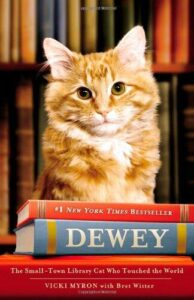 The last book on my list is the New York Times bestseller “Dewey: The Small-Town Library Cat That Changed the World,” which tells the true story about the power of love between species. It’s an inspiring, heroic tale that begins in tragedy when Dewey, a tiny, helpless kitten, was stuffed into the returned book slot at the Spencer Public Library in Spencer, Iowa. Only a few weeks old, he was taken in by library director Vicki Myron, a single mother with her own tragedies. For the next 19 years, this kitten who suffered through frostbite, abandonment and starvation, made his home in the library, offering comfort and inspiration to all who needed it most.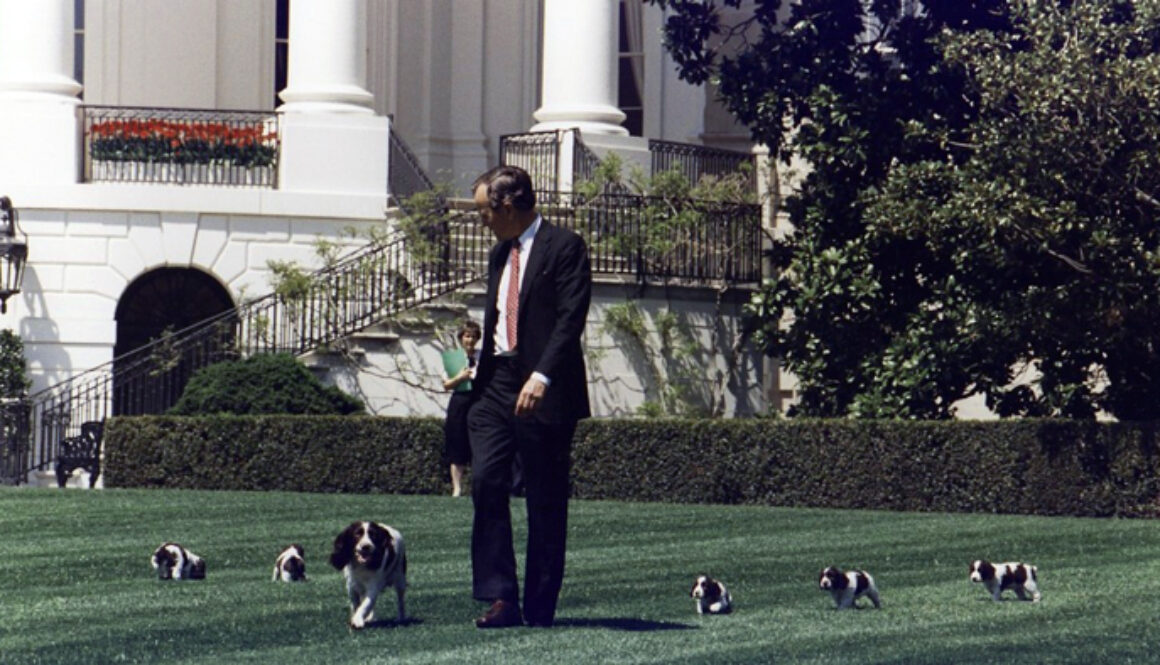


 The next time you have a movie night at home, don’t forget to include popcorn for your pup. Doggiee Snack Bar Organic Doggiee Pupcorn dog treats combine the fun of popcorn with the goodness of tasty meat and the benefits of a low-calorie treat. Available in two flavors—Organic Beefy Pupcorn and Organic Chicken Pupcorn—the treats are made with just two ingredients: all-natural popcorn and organic beef or chicken flavoring. The popcorn comes in 19.5 oz. eco-friendly burlap bags.
 Squeak is the newest member of the Orbee-Tuff® family of dog toys from Planet Dog. Just as durable as the original but now with a fun sound your dog is sure to love, the bouncy, buoyant, minty and chewy ball features a unique, patent-pending squeaker that contains no adhesives or glues, making it 100-percent nontoxic. Three-inches round, the Squeak is available in two fun colors—bright orange and clear-sky blue—and has a 5/5 durability rating for the most aggressive chewers. Like all Orbee-Tuff toys, it is made in the USA and 100 percent guaranteed.
 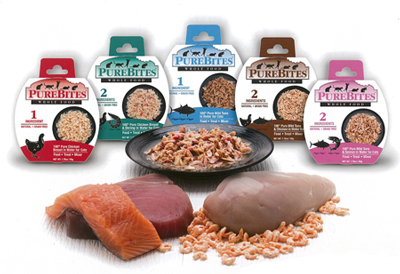 PureBites® Mixers for cats are made with 100 percent pure meat. Formulated for use as a topper, mixer, appetizer or treat, their aroma, texture and freshness will help satisfy your cat’s carnivorous cravings. Naturally high in protein with only 30 calories per 1.76-oz. tray, PureBites Mixers come in five recipes, which contain only chicken and/or fish and water: chicken breast, wild skipjack tuna, chicken breast & wild ocean shrimp, wild skipjack tuna & Alaskan salmon, wild skipjack tuna & chicken breast.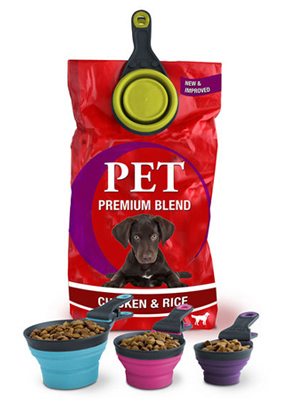
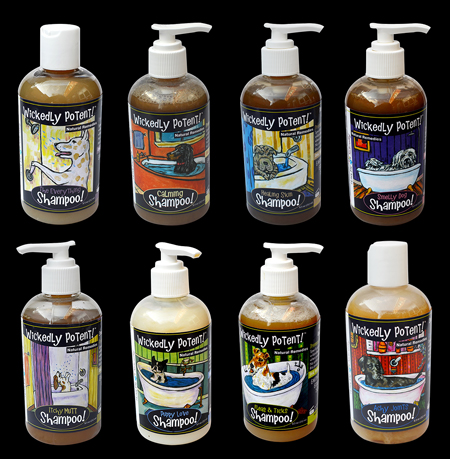 PawFlex Wickedly Potent! dog shampoos are formulated with pure essential oils, botanical butters and healthy plant oils, such as olive and coconut to help nourish and care for your dog’s skin and coat—and be kind to our planet at the same time. The shampoos are produced in small batches to ensure freshness, consistency and perfection. They come in clear 8.5-oz. bottles so you can see the ingredients’ natural colors—no dyes or coloring ingredients are use. The shampoos are available in eight formulas for a variety of benefits: Calming, Itchy Mutt, Puppy Love, Healing Skin, Achy Joints, Flea & Ticks, Smelly Dog and The Everything Shampoo!
 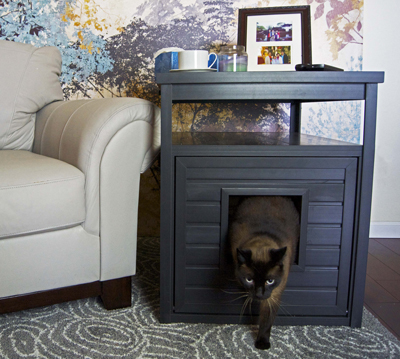 New Age Pet’s Habitat ‘n Home Jumbo Litter Loo for cats is designed to accommodate the largest sized litter boxes as well as smaller ones. Featuring a larger overall size to accommodate larger pans and self-cleaning litter boxes, the Loo’s pull down front panel makes installation and removal of the litter box a snap and the shelf provides storage space for litter box accessories and tools. Made of ecoFLEX™, a non-toxic composite material comprised of recyclable polymers and reclaimed poplar, the Jumbo Litter Loo is available three colors: Espresso, Russet and Antique White.





 Even though stores have been displaying Halloween-themed items since August, we’ve finally reached the holiday’s home month, which is why I’m giving you a look at some of the fun new costumes that are available for all kinds of pets.
 The Tarantula made video news last year when a man dressed his small dog up as a giant spider and terrorized those out for their evening walk (don’t do that; it’s a good way to get your dog seriously injured). Instead, try out a startling lifelike fuzzy tarantula from Zack & Zoey. If also offers other creepy costumes, such as a scorpion, as well as a plethora of adorable ones (mermaid, dragon, owl, giraffe and more). You can find Zack & Zoey costumes at Amazon.com, BaxterBoo.com and other online retailers as well as several independent pet stores.
 Your dog might also make a great dinosaur and if that’s the case, check out the range of costumes by Animal Planet. You can dress up your dog as a stegosaurus, raptor or triceratops. And if dinosaurs aren’t your thing, you could select from a wide variety of critters by Animal Planet, including bats, butterflies, whales, sharks, tortoises, zebras, etc. The costumes are available from Amazon.com and other online retailers.
 New this year for dogs is the Troll costume, which will also be the star attraction in theatres this fall. The Troll is part of the new AKC Pet Costume line by BH Pet Gear, which features a variety of fun, adorable, comfortable and safe dress-up options, including an elephant, shark, monkey, pumpkin, wonder dog and devil. All the AKC-brand costumes are available online and in independent pet stores.
 If you’re not sure your dog would enjoy wearing a costume (and many dogs are not interested in doing so), then don’t force them. There are many other options, such as specially designed paint for pets from
  Cats rarely submit to wearing a costume, but there are some who willingly (or grudgingly) accept playing dress up. There are a few costume options for those of you with obliging cats.
  If you cannot get your cat into a costume without risking bodily harm, consider dressing yourself up with your cat as a prop. You could have your cat on hand for picture or two and then replace her with a stuffed animal while you’re at parties or out roaming the neighborhood. One of my favorites is Alice in Wonderland the Cheshire Cat. You could even pick up a

 If your cat loves fish, consider adding Cat Sushi cat treats from SF Pet Foods to your shopping list. Made from just one ingredient—100 percent skipjack tuna—the all-natural, flaked treats are high in protein and low in fat, making them deliciously healthful for discerning felines everywhere. Using an ancient process that slowly dries the fish and then slices it into extremely thin pieces, Cat Sushi features only the largest flakes. It is great as an appetizer or a standalone treat and can be mixed in with dry or wet food.
 Ever wondered what your dog does at home while you’re away? The Petzi Treat Cam™ lets you check in on your pets and share treats with them from anywhere at any time. The app-controlled, Wi-Fi-connected remote pet treat dispenser makes it easy to check-in and interact with your pet from any smartphone or tablet. The cam features a wide-angle camera with night vision, high-quality audio and a universal treat launcher that works with any dry, crunchy treat smaller than 1 inch. It comes with multiple mounting options so that you can place the treat cam wherever it best suits your needs. A dedicated iOS or Android app controls the device and makes it easy to share captured images.
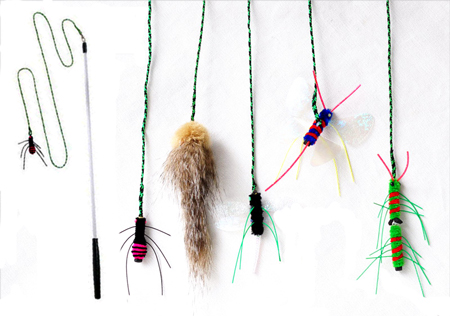 Nekochan’s handcrafted and extremely realistic Neko Flies cat toys are designed to provide hours of exercise and fun for your cat—and you. Made with only cat-safe materials, the dangling toys come in eight critter shapes that are sure to captivate your cat: a creepy, crawly spider with dangly legs; an iridescent-winged dragonfly; a furry and a fluffy long-tailed mouse; a dangly legged centipede; a long-tailed cicada; an iridescent winged butterfly; and a BirBug (part-bird, part-bug). The toys attach to either a basic, 22-in. clear acrylic rod or an adjustable (18, 25 and 32 in.), telescoping rod made of graphite material.
 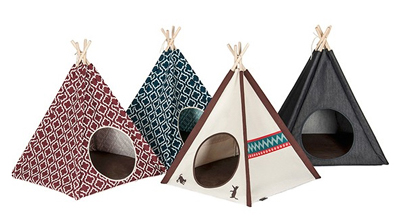 P.L.A.Y.’s Pet Teepee provides a fun and safe snuggle space for your pet, and adds an architectural design element to your home. Constructed of 100 percent, cotton canvas and pinewood poles, the cozy hideout features a circular front opening and removable interior cushion, making it great spot for your dog or cat to play or nap. Designed for easy set-up and care (the canvas is machine washable and dryer friendly), the durable Pet Teepee comes in four styles—Moroccan pattern in navy blue or marsala, denim and classic—measuring 24.8 x 24.8 x 29.1 inches in size.
 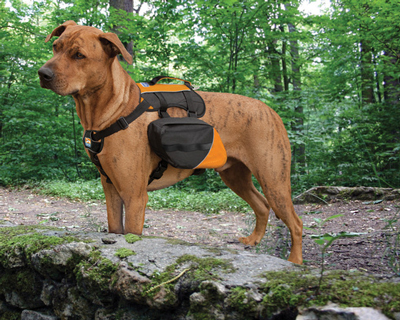 Get your dog packed up and ready to go on a long or short hike with Kurgo’s lightweight, tough, adjustable-fit Baxter Pack dog backpack. Designed to withstand rugged outdoor conditions, it has eight different adjustment points to get the proper fit for any dog. The backpack includes a rear-mounted leash hook that works like a harness and the ergonomic padded spine support contours to a dog’s back for a comfortable fit and provides weight distribution for the two saddlebags. The pack has space to store all of your canine’s travel essentials (food, treats, toys, first-aid supplies and travel bowls) and includes a large handle to help dogs over rock scrambles or extract them from water. Available in two sizes, the pack comes in Barn Red, Coastal Blue, Sea Glass, Purple & Gray, Black & Orange and Ink Blue & Electric Green.
 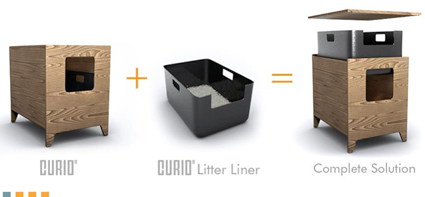 Handcrafted from real wood and designed to complement any room, the Curio® reimagines the cat litter box as a piece of fine furniture. Inspired by classic mid-20th century design, it is made in the USA of furniture-quality, pre-finished europlywood. Inside is a custom-fitted Curio Litter Liner litter pan, which is constructed from durable, waterproof polymer and features 10-in. high walls for litter retention and side handles for easy lift out. (The Curio also accommodates many standard size litter pans.) It is available in three styles: maple, walnut and patterned walnut and comes with a 30-day money-back return policy and is covered by a limited one-year warranty.
 A rescued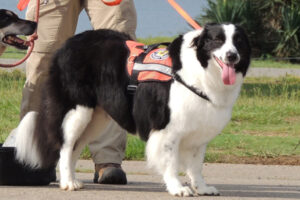
 Some dogs are heroes in small ways. Such as
  In May 2011, when Navy SEAL Team Six raided the compound of Osama bin Laden, they did so with the help of a