

melissa
About melissa
Posts by :



Top 10 Things to Know About Vet Assistant Schools in 2025
Animal lovers take note! If you are planning your future and think you would love working with animals, you might want to consider becoming a veterinary assistant.
There are a lot of benefits to being a vet assistant. The work is fulfilling and you get to be part of a team and help save animals. Every day brings something different; you’re not stuck sitting at a desk, and you don’t have to take a vow of poverty to do something rewarding. The average salary averages over $36K according to the U.S. Bureau of Labor statistics.
Vet assistants are also in high demand. Job growth in animal care is projected to be at 19% over the next few years–much higher than other fields. Even more encouraging, vet assistants are needed no matter if you live. In a huge city or a small rural community, there are lots of animals in need of veterinary care.
Veterinarians and veterinary technicians rely on competent vet assistants, but there are positions in more than just veterinary practices. Any facility that houses and cares for animals, such as research labs, wildlife refuges, rescues and humane societies, often hires veterinary assistants. Animal care is a field that offers a great deal of variety, whether you want to work with pets or more unusual animals.
You don’t have to have a college degree to start a career as a veterinary assistant, but you should seriously consider attending vet assistant school in order to earn an education. Here are the top 10 things to think about as you weigh your decision:
1. A vet assistant school is a good investment
Unlike the large amount of debt you can rack up getting a college degree, vet assistant school tuition is much more affordable.
And there is a lot to learn! The variety of tasks vet assistants handle is impressive. In most practices, they offer support to both the vets and vet techs and the front office staff. They need to know how to work with animals safely and how to prepare exam rooms, but they also help with administrative duties and process medical records.
A vet assistant school prepares you to become a valuable part of the veterinary team.
2. Earning an education can help you get a job
As mentioned, there are a lot of jobs for veterinary assistants, but there are also plenty of people lining up to apply for them. So even though it may not be a job with any particular educational requirements beyond a high school diploma or GED, employers can still have their pick of qualified applicants.
Someone with meaningful experience working with animals or having a formal vet assistant education is going to have an advantage over someone who doesn’t. Earning an education could help you land a job much faster.
3. Vet assistant schools prepare you to work in a veterinary hospital
Employers are looking for work-ready hires, and a certificate of completion from an approved veterinary assistant school like Animal Behavior College can demonstrate that you know your way around a veterinary practice and are prepared.
ABC students learn:
- Office etiquette and hospital procedures
- Animal behavior and handling
- Examination room procedures
- Pharmacy and pharmacology
- Surgical preparation and assisting
- Small animal nursing
- Laboratory procedures
- Radiology ultrasound imaging and endoscopy
- Career Building
Busy vet clinics don’t have a lot of time to spend doing on-the-job-training for someone with no knowledge of the job. ABC graduates are ready to get right to work!
4. Vet assistant schools should provide real world experience
In addition to a comprehensive curriculum, students need the opportunity to get hands-on experience in a veterinary practice as part of their education. Spending time in a clinic lets you see what the work is really like. Working with a mentor and experiencing what the job is really like gives you confidence.
And, of course, being able to list that kind of hands-on experience in a veterinary practice on a job application is huge!
5. A hybrid vet assistant school is the way to go
By now, most people understand the value and convenience of online learning. It’s an affordable, practical alternative to attending a brick and mortar college: the coursework can fit into your existing schedule; you can work at your own pace; and there’s never any worry about finding a parking space (or being late to class because of that)!
However, an online course alone can never really prepare you for a career like vet assisting, which is very physical. Some things must be learned by experiencing them firsthand.
ABC solved that problem a long time ago. Our vet assistant course is a hybrid of online and in-person learning.
The online portion covers all the basics of the job. Once those stages of the curriculum are complete, students get invaluable hands-on experience with a mentor in their local area during the externship stage. ABC’s excellent curriculum, paired with the externship, offers students great preparation for working as a vet assistant.
6. Vet assistant schools are not colleges
Vet assistant schools should not be confused with colleges, which offer two- or four-year degree programs and at a cost of thousands of dollars per semester. Choosing Animal Behavior College, which enables students to earn a certificate in as little as 12 months, could be a better choice and a better return on your investment!
Earning a certificate of completion from ABC demonstrates mastery of the subject matter related to various animal-related careers, including vet assisting, animal training, pet grooming and more. We offer high quality animal career training that can be completed in about a year
7. You can complete your veterinary assistant certificate in 12 to 18 months
Taking classes online demands self-motivation. Life is full of distractions and demands, but by working at the recommended pace and staying organized and diligent, you can be ready to prove to employers that you have what it takes to be a great addition to their team in just 12 months!
8. Choose a NAVTA-approved school
When you are looking at vet assistant programs, you need to look at several things. What are the credentials of those who created the curriculum? Is there a good support system for helping students succeed? (ABC students have individual program managers who help them along the way.) Does the school have any alumni benefits?
Most important, however, is the school recognition by a veterinary organization? ABC is approved by the National Association of Veterinary Technicians in America (NAVTA).
To be approved by NAVTA, a program must follow strict guidelines regarding curriculum, externship parameters, and student academic progress. ABC is currently one of only six online vet assistant schools with NAVTA course approval.
Successful completion of our certificate program can give you a definite leg up in the job market! A certificate from a NAVTA-approved school carries more weight than one without it.
9. Becoming a vet assistant can be stepping stone
As rewarding as it can be, working in a veterinary practice can be demanding, both physically and emotionally. Not everyone is cut out for that kind of life.
Working as a vet assistant before committing time and tuition to a college degree to become a veterinary technician or a veterinarian gives you a chance to see whether a veterinary career is a good fit for you.
Many people who start out as a vet assistant wind up loving it so much they go on to get their vet tech degree.
10. You can enroll in ABC anytime
One of the best things about ABC’s program is that you never have to wait for the beginning of a new semester to enroll! Once you’ve made a decision to earn your vet assistant certificate, an ABC admissions counselor is always ready to help get you started.
Get Started Today!
If you’ve made the choice to be a vet assistant, congratulations! Working in animal healthcare is one of the most rewarding jobs there is.
At Animal Behavior College, we love helping people launch animal careers, and we’ve been doing it for over 25 years! Call 800-795-3294 to get started.

Common Veterinary Assistant School and Career Questions
If working with animals is a career goal, you might want to explore the possibility of becoming a veterinary assistant. Veterinary assistant school prepares animal lovers to work in a variety of veterinary hospitals, clinics or other settings involving animal medical care.
Veterinary assistants enjoy a high rate of job satisfaction; they are among the top 30% of careers, in fact.. Helping pet owners keeping their dogs, cats, birds, reptiles and other animals healthy is a rewarding career.
But what does it take to become a veterinary assistant? Is a veterinary assistant school really worth it? Learning the answers to the following questions could help you decide if working in the veterinary field is the best career path for you.
How long is vet assistant school?
Each vet assistant program has its own timeline for completion. Some career schools offer short, intense online-only courses that take less than three months to complete. Learning online at your own pace through a school like Animal Behavior College can take up to 12-18 months or sooner, working at your pace (and it has a hands-on component too!).
Do you need schooling to be a vet assistant?
Technically, there are rarely any continuing education requirements for a vet assistant. A high school diploma or G.E.D. is usually enough. However, most employers prefer to hire people who have experience working with animals and someone with an educational background in veterinary medicine.
Lots of people want to work with animals and apply for vet assistant jobs, so employers can have the pick of the crop. If you don’t have experience or education, it can be difficult to find a job.
How much schooling is needed to be a vet assistant?
While you do not have to go to school to be a vet assistant, it’s helpful to earn an education in veterinary assisting. You can do so by completing a single vet assistant course. You do not have to take multiple classes or go to school for years.
Are you confusing a vet assistant with a vet tech?
A vet tech is not the same thing as a vet assistant. A vet tech acts more as a registered nurse might in the human world. They perform more medically related tasks and command a higher salary. The trade-off is that they must have a two- or four-year college degree and pass a secondary national exam (and the expense that goes along with that).
How much is vet assistant school?
The cost of vet assistant school can vary, depending on whether you attend an in-person school or choose an online or hybrid school. In-person vocational schools generally come with a higher tuition price tag.
Tuition for online schools’ range from $2,000 to $5,000.
Pricing will also depend on whether you pay in full up front or opt for a payment plan.
At ABC, tuition covers:
- All required digital study materials, including our updated, revamped curriculum
- 46 educational videos
- In person, real world experience with a minimum of 100 hours in a veterinary facility that ABC coordinates for you
- Student support from your personally appointed Program Manager
- Pet CPR and First Aid Certification (good for 2 years)
- Lifetime approval as an ABC Veterinary Assistant (ABCVA) upon successful completion
- ABC Alumni Membership
What does the vet assistant school curriculum include?
A comprehensive vet assistant curriculum covers what will be expected of you in most veterinary settings. Since job requirements include both administrative duties and support for veterinarians and vet techs, there’s a lot to learn!
ABC’s multi-stage curriculum includes:
- Office etiquette and hospital procedures
- Animal behavior and handling
- Examination room procedures
- Pharmacy and pharmacology
- Surgical preparation and assisting
- Small animal nursing
- Laboratory procedures
- Radiology ultrasound imaging and endoscopy
- Career Building
Having this knowledge can prepare you to confidently answer veterinary assistant interview questions and hopefully fast track you landing a job!
What are the career paths available after becoming a veterinary assistant?
Veterinary assistants are not limited to working in vet clinics and hospitals. Any facility that houses or cares for captive animals will also need vet assistants to offer care, feeding, exercise and other tasks. Research labs, wildlife refuges, rehabilitation centers, humane societies, and animal shelters often hire veterinary assistants.
So if you prefer to work with wild or exotic animals, there are options, though typically, there are less employment opportunities than there are in veterinary practices. While you can find work as a veterinary assistant in a vet practice in both rural and urban areas in any state, you might have to be willing to relocate to get a job at a wildlife refuge, zoo or research lab.
Being a vet assistant can serve as a steppingstone in your veterinary career, too. If you love the work and want to pursue your vet tech degree, the familiarity with veterinary medicine gained in your job as a vet assistant will help you in your career pathway.
How much does a vet assistant make?
Vet assistant salaries vary around the country but are generally higher in urban areas. According to Zip Recruiter, the highest average salary ($40,614) was in Washington, and the lowest ($26,797) was in Florida.
The latest figure from the Bureau of Labor Statistics lists the median wage for vet assistants at $36,440.
What are the most important qualities to be a successful veterinary assistant?
Vet assistants have a lot to do on any given day, and good communication skills, a positive attitude and flexibility are important assets. Vet assistants fill many roles in most practices, and they must be able to transition from administrative/front office mode to assisting with a patient exam or room prep as needed.
The job is physically demanding. It can involve restraining frightened animals and lifting pets on and off exam tables all day. Vet assistants are also on their feet a lot.
While the job comes with a lot of joy–so many adorable puppies and kittens–difficult situations arise every day, too. It’s hard to watch animals in pain; sometimes there are devastating diagnoses; assisting pet owners who are saying their final goodbyes to a beloved dog or cat can be gut-wrenching. It’s not a job for the faint of heart. Vet assistants need compassion for animals and empathy for what pet owners may be going through.
Enroll in our vet assistant school today!
If you have decided a vet assistant career is for you, it’s time to take the next step. Animal Behavior College excels at helping animal lovers launch fulfilling careers. You can enroll anytime! Just call 800-795-3294 to speak to an admissions counselor.

From Dog Lover to Professional Trainer: Steps to Begin Your Journey
Happiness is Finding a Job You Love
President Theodore Roosevelt once said, “Far and away the best prize that life has to offer is the chance to work hard at work worth doing.” Professional dog trainers enjoy the satisfaction of transforming lives–both canine and human. For a true dog lover, teaching dogs the obedience skills they need to live a happy life as well-trained, beloved companions could be considered their higher calling! Roosevelt was only half right in valuing a job worth doing. Finding a job you love doing is important too, one that lets you follow your passion. For a dog lover who wants to give them their best chance at a good life, dog training is both fulfilling and fun.
What Makes Dog Training a Worthy Profession?
Dog trainers give dogs a good shot at a happy life by teaching them behaviors that help them exist in a human environment. Obedience trainers work with owners and their dogs to instill basic commands.
Ideally, training begins during puppyhood, when dogs are most impressionable and before bad habits have had a chance to take deep roots. Everyone has heard the saying, “You can’t teach an old dog new tricks.” You actually can, but it could be a bit harder!
Obedience training ingrains the commands “sit,” “stay,” “down,” “come,” “leave it,” and others. Dogs being able to immediately respond to these simple words–or hand signals–means that owners have a good chance of controlling them in any situation. This makes life easier and more peaceful. Who hasn’t had the unpleasant experience of being around a dog who barks constantly, jumps on people, or is underfoot begging whenever food is present? Obedience training gives you the tools to shape a dog’s behavior.
A happy household is important, but obedience training can be life-saving, too. Being able to recall a dog from a potentially dangerous situation or to command her to leave something hazardous alone can avert tragedy.
Steps to Becoming a Dog Trainer
- Understand a trainer’s role. Obedience trainers don’t just train dogs; they educate humans, too. Without the participation and collaboration of owners and other members of the household, it’s almost impossible to achieve the best results. Don’t go into dog training thinking people skills are unnecessary.
- Assess your skills and commitment level. Dog training isn’t a cookie cutter job. Every dog has its own personality and ingrained behaviors that need to be reshaped. You have to have a deep bag of tricks to meet the challenges of different dogs, especially older dogs.
- Do a little homework on training philosophies. Most modern trainers have disavowed punishment as a means of training. LIMA (least invasive, minimally aversive) techniques have replaced them. Positive reinforcement training employs rewards, such as treats or play. Fear-free training assures stress and anxiety have no part in teaching a dog good behavior.
- Compare schools to make sure you find a good fit for your schedule and budget while also getting a great foundation in training. Brick and mortar schools are few and far between, but there are some excellent schools offering programs online, such as Animal Behavior College (ABC). ABC offers a hybrid solution that gives you the convenience and affordability of online learning with in-person experience; anyone hoping to become a dog trainer can learn the career while retaining a full time job and managing other life commitments.
- Get hands-on training. In addition to a solid, interesting curriculum created by professional dog trainers, ABC offers students invaluable real-world experience. Through the externship, students get expert in-person instruction. They also have the opportunity to train shelter dogs through the school’s Students Saving Lives (A trained shelter dog has a much better chance of being adopted.)
- Having certification helps. ABC’s certification is well-regarded in the dog training profession and is recognized by the Certification Council for Professional Dog Trainers, the International Association of Animal Behavior Consultants, the International Association of Canine Professionals, and the National Association of Dog Obedience Instructors.
- Launch your career! Whether you are looking for a great side gig or full time employment, dog obedience trainers can pursue several different avenues. You could apply to work for an established company that offers dog training or obedience classes. Some pet store chains, such as Petco and PetSmart, offer dog training classes. Dog training also lends itself well to starting your own business. The ABC course includes information on job hunting and starting your own business.
- Continue learning! Obedience training isn’t the only option out there. Dog trainers can specialize in different areas to offer more services to their clients, such as pet sitting, pet massage, daycare, or nutrition consulting. Trainers can also specialize in areas such as behavior modification, agility training, or military and police dog rehabilitation. Service dog training is also an amazing experience. To be able to work with service dogs to ultimately help people with disabilities is a rewarding career path.
Follow Your Heart
Your dog training career can take you wherever your passion leads you, but it all starts with getting a grasp of the basic fundamentals of training. Animal Behavior College has been helping trainers launch rewarding careers since 1998. Give us a call at 800-795-3294; an admissions counselor will be happy to help you get started.

Deck the Halls Safely: How to Teach Your Dog to Navigate Holiday Decor
While we humans may love the holidays with all the lights and decorations and buzz of activity, dogs generally don’t. These same traditions we love can be a disruptive minefield for dogs, who are creatures of habit and thrive on routine. Christmas can be stressful for pets and may drive a well-trained dog to bad behavior or an untrained dog into total chaos mode.
There are so many ways for a dog to encounter trouble during the Christmas season. To help your pet cope and make sure she–and everyone else–stays safe, here are some ways to help your pet navigate the holidays.
Decorate Wisely
Don’t turn your house into downtown Disneyland all at once. A weekend blitz of putting up Christmas trees and garland and setting out knick knacks and festive pillows may be your preference, but suddenly transforming your pet’s environment like that could be asking for trouble.
Try to avoid stressing your dog out by introducing decor gradually. Give yourself permission to start decorating for the holidays a little earlier and a little more gradually. Letting your dog inspect unfamiliar items is a good idea.
Be prepared to keep certain treasured items in the closet if you suspect your dog might be too interested in them. Be smart. If your dog loves to eviscerate stuffed animals, don’t pile the staircase landing with your collection of plush Santa Clauses. If you have a mouthy puppy, it’s not a great idea to place your grandmother’s hand-carved sleigh and reindeer in their traditional spot on the coffee table.
If nothing else, consider your dog’s safety. Ingesting tinsel, ribbons, and other items can cause choking or intestinal blockage.
Holiday Pet Safety
Some Christmas traditions absolutely do not mesh well with pets. Always keep a close eye on your pets during the holidays to make sure they do not get into serious trouble.
Keep chocolate out of reach, and make sure your guests know to do the same. An unattended plate with fudge on it could spell grief. Purses left where dogs can get at them and find gum and candy are also a hazard.
Many of our favorite holiday plants can be toxic for pets, such as poinsettias, holly berries, amaryllis, and some evergreen trees. Check and make sure plants are safe for dogs before placing them in reach of your pet.
Fire is also a great risk; candles and pets do not mix. Happy tails can catch fire or sweep candles off of coffee tables. Even a candle on a table out of reach can be problematic. A boisterous dog can bump against the table legs and send hot wax splashing.
Reinforce Training Basics
The busy holiday season is probably not the time for serious dog training sessions, but it’s a good idea to refresh the basics that will keep you, your guests, your dog, and your possessions safe. “Sit,” “stay,” “down,” and ” drop it/leave it” are critical skills to reinforce well before the holiday decorations come out, guests invade your space, and irresistible cheese trays and cookies crowd the kitchen counters.
Keep the clicker or training treats at hand to reinforce good behavior at whatever odd moments you catch it. Positive dog training methods are proven to encourage the repetition of desired behaviors.
Knowing your dog can follow commands in the midst of unfamiliar situations is important, so you may want to enlist a friend to introduce distractions to your training.
Pre-Party Planning for Pets
As any good host or hostess knows, planning is everything, and any party planning should take pets into consideration. One of the best things you can do, aside from maintaining your daily routine as much as possible, is to tire your dog out before the big event. Go to the dog park for a vigorous game of fetch or take a long walk. A dog that’s been cooped up all afternoon while you’ve been frantically cleaning and cooking is far more likely to go ballistic when the doorbell starts ringing.
If your pet is likely to jump on guests, counter surf, run underfoot, beg for food, or excitable bite, for the sake of all involved make a plan to crate your dog or install baby gates to corral him in a safe space when company comes.
Make sure to watch the door carefully and to let guests know not to hold the door open. Dogs are masters at taking advantage of an open door, and the last thing you want is to turn your holiday parting into a dog-hunting party.
It’s important to keep a close eye on your dog if he is allowed to hang out with your guests, especially if there are small children present. Even the gentlest animal can become testy when faced with a small, shrill antagonist.
Watch for signs of stress or anxiety, such as barking, licking, or chewing, and be ready to intervene. Distracting your dog with a special chew toy or treat puzzle or a well-stuffed Kong to occupy him can be helpful. Whether or not your pet is allowed to mingle with guests, make sure he or she has a quiet place to retreat to when it’s time to decompress or rest.
A Tail-Wagging Holiday for You and Your Dog
Having a pet means taking full responsibility for their welfare and comfort. Holidays can require a little more effort on your part, particularly if your dog is not well-trained. If this holiday season has you adding “dog obedience training classes” to your wish list, Animal Behavior College can help turn you into an expert!

The Digital Groomer: Is Online Dog Grooming Training Effective?
My journey to becoming a dog groomer almost ended before it began because of my misconceptions about online schools. If you want to become a groomer but are skeptical about online schools–as I was–I’d like to share my story. In Animal Behavior College, I found a hybrid program that offers a perfect blend of online classes and real-world experience with a mentor.
My Dog Groomer Journey
To go back to the beginning, I was never particularly a dog person, but about five years ago, a stray puppy toddled up my front porch steps. Those eyes! It was late, so I let him stay “just for one night.” You can probably guess the rest of the story.
I named him Frito, and he was definitely in need of a good trim. The local groomers were booked solid for weeks. When I finally did get a grooming appointment for Frito, I got a bad case of sticker shock. My dog’s groomer makes more than my own hair stylist!
That’s when it clicked. I’d been looking for a side gig to help me get out of debt faster. Becoming a groomer seemed like the perfect answer–more groomers were obviously in need in my area–and if I learned how to groom dogs I’d save myself a ton of money on Frito’s grooming services.
Finding the Right Dog Grooming Course
When I decided to become a dog groomer, I assumed I could find a grooming school near me and take classes in person. When I Googled dog grooming schools, though, I just kept coming up with online programs. The single brick and mortar school I found was an hour and a half away. With a full-time job, driving a total of three hours every time I went to class was not possible.
Even though it seemed like my only option, I really didn’t think an online school was the answer. How on earth could you learn a physical skill like dog grooming just by watching videos or reading about it online? Sure, you wouldn’t necessarily need an in-person course to learn about some things, like anatomy, breed characteristics, and safety and hygiene. Maybe you could even get a basic idea of the different types of grooming cuts and techniques via an online course; but without hands-on practice and someone to guide you in person, how would you ever master the skills? You couldn’t!
So I rejected the idea of an online school. Still, I kept searching. As I explored my choices, I kept coming back to Animal Behavior College. I assumed they were an online program like all the others, but one day I finally clicked on them and found my assumption was totally wrong.
What’s It Like Learning Online?
The way ABC approaches dog grooming training is brilliant, offering the best of both worlds. Their certification program is not an online grooming course but a hybrid of online learning and in-person training, or “externship,” with a mentor.
After speaking to an admissions counselor to learn more, I enrolled in ABC’s Grooming Instruction Program.
Once I got started, I couldn’t imagine trading the ABC experience for a brick and mortar school! Instead of wasting time and money traveling to an in person school for classes on the more academic aspects of grooming, I could sit in my living room and learn online. (It is the 21st century after all. Why not take advantage of technology?) Actually, my “classroom” could be anywhere. On Saturday mornings, I liked setting up at a dog-friendly coffee shop where I could work with Frito curled up at my feet.
The content was engaging, and the videos were especially helpful. If I got stuck, I could always turn to ABC and their program manager team, who are all groomers themselves!
When I started my externship at a local grooming salon, I knew I’d made the right decision. I loved transforming dogs, making them look and feel better. My mentor was awesome, and so patient. Sure, I made a few mistakes, but thankfully none that my mentor couldn’t help me clean up.
A year after I made that first call to ABC, I completed the program and earned my certification!
No Reservations
I have no reservations recommending ABC’s grooming program to anyone who wants to start a career as a groomer. In combination with the experience I got working with my mentor, online learning was a wonderful experience. I love being a groomer, and I’m about to take the plunge and open my own business (ABC’s curriculum helped with that, too, and the alumni support is awesome). Wish me luck!

Online to In-Store: Transitioning from Virtual Learning to Real-World Dog Grooming
When I decided to become a dog groomer, I never envisioned how much of my training and professional development would be online. I just assumed I could get some sort of entry level position at a grooming salon and learn what I needed to know, but that didn’t pan out. And with no dog grooming school where we lived at the time, my only choice was to look for classes online.
Truthfully, though, if it wasn’t for virtual learning, I don’t think I’d be working in the field today. My husband is in the military, so we move around fairly often. In fact, we had to pick up and move cross country just a few months into my online grooming course–it’s a good thing online education is flexible and completely portable!
Going Beyond the Basic Knowledge of Dog Grooming
My online training at Animal Behavior College (ABC) went without a hitch. If I had questions, the program manager team members were a great resource. I didn’t feel like I was going through the program alone.
What made me a little nervous was transitioning what I’d learned on the computer to the real world. Early in the process, I approached the local animal shelter to see if they could use some help and started volunteering there once a week.
That was amazing! I got experience bathing dogs, clipping nails, and doing a little trimming. It was awesome helping scruffy dogs feel better and transforming them into clean, presentable pooches. If you are trying to get experience, I would highly recommend offering to volunteer at a shelter or humane society. Those pups need you!
You could also make connections with a local groomer and see if you could do an apprenticeship or internship, even if it’s unpaid. No matter what career you’re interested in, apprenticeships and internships are invaluable.
I chose ABC for my online grooming training for one main reason: hands-on experience. There’s no way to master grooming just by watching videos, no matter how good they are.
The first part of ABC’s course is all online. When I finished that, I started my externship. My mentor was a groomer whose shop was close to the base where we lived at the time. This guy was hard core. His schedule was packed every day, and then on the weekends he traveled to dog shows and made big bucks preparing dogs for the ring.
I rode along with him a few times and met SO many groomers. I’m not so much interested in working in that world; there’s a lot of pressure. But it’s never a bad idea to make professional connections. And I learned so much just by watching everyone.
Never Stop Learning
I thought I’d finish my grooming program and be done with the learning portion of my career, but it turns out I love adding new grooming services for my clients and keeping up with the field. Also, ABC gives students lifetime access to their digital curriculum and videos, which helps me stay current.
I started my own mobile grooming business about four years ago. It lets me easily pick up and move to a new location when my husband gets transferred. And no matter where I go, there are always plenty of pet owners looking for a good groomer. It never takes me too long to build up a clientele through word of mouth.
I like to stay current, and online classes and videos help me do that. I took a short term pet massage course through ABC and was able to add that to my list of grooming services. Pet owners appreciate the calming effect it has; it’s comforting to dogs.
Now I find it fun to keep up with current trends and the latest spa offerings as a result of taking this additional course too. To be honest, some trendy treatments are pretty out there, but keeping up with trends online has allowed me to offer some really helpful options, like blueberry facials to remove tear stains and paw soaks to relieve cracked pads.
Advice to Future Dog Groomers
Online learning is a great way to launch your career, learn new skills, and stay current. ABC is dedicated to helping animal lovers start rewarding careers. I’ve never regretted my choice to go with an online program. Give ABC a call at 800-795-3294 and an admissions counselor will help you get the ball rolling!
Transforming Shelter Dogs into Family Pets: A Behind-the-Scenes Look at ABC’s Students Saving Lives Program
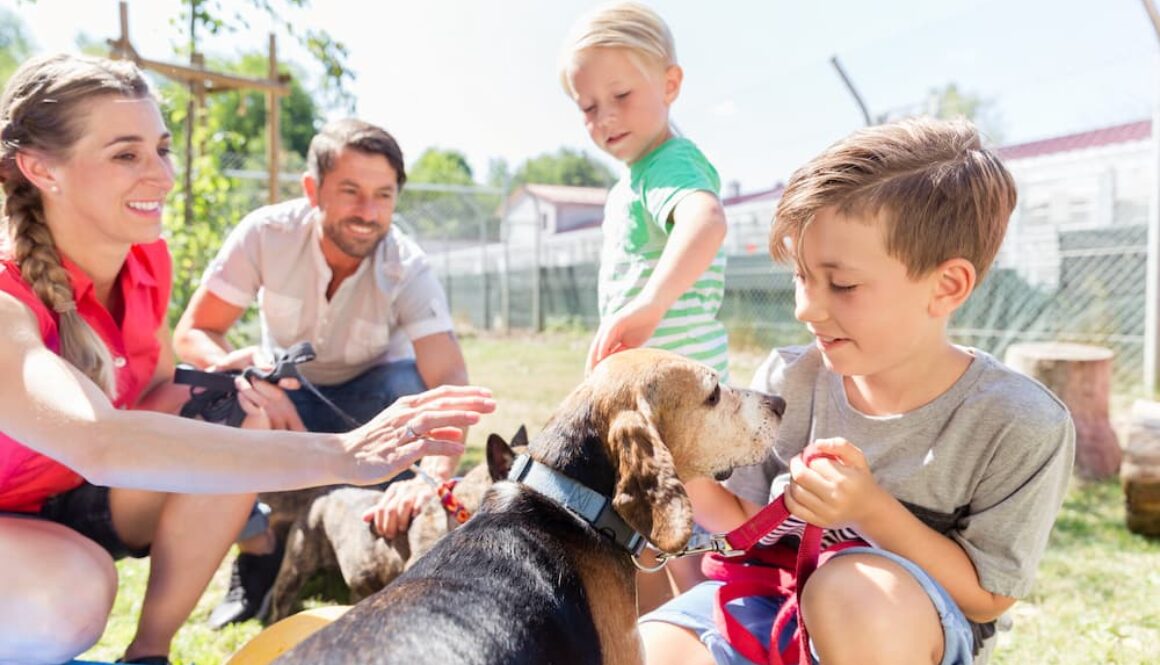
At Animal Behavior College we believe that all dogs deserve the best shot possible at finding a furever home. For shelter dogs, the outlook can be bleak. The ASPCA reports that close to 400,000 dogs are euthanized every year in the U.S. A lot of these are healthy dogs that could have made wonderful pets.
ABC created Students Saving Lives in 2004 to try and make a dent in that number. How? By offering one-on-one training with shelter animals.
Obedience training and curbing behavior problems makes dogs more adoptable, as does socialization, and who better to help train dogs than dog training students? Shelter dogs need training; students need real world experience. It’s a win win!
Students Saving Lives is an international campaign to rehabilitate shelter dogs by providing training. All of our students are asked to spend at least 10 hours volunteering at a shelter, humane society or rescue organization. We can happily report that more than 90% of our ABC students participate.
ABC students have a passion for animals and know that training shelter dogs can be a matter of life or death for some of these animals. For two decades, our students have been helping hounds find homes. As of 2023, more than 10,000 ABC students have volunteered 185,000 hours working with shelter dogs.
How Does Shelter Dog Training Make a Difference?
Shelter dogs spend almost all of their time cooped up in kennels. When would-be adopters are introduced to a dog, they’re often literally bowled over. All that pent up energy and joy at getting a little attention can make a dog seem wild and uncontrollable. People are put off by dogs that jump on them and bark and pull on the leash when they try to walk them. People often take a hard pass.
It’s not the dog’s fault. Look at it from a shelter dog’s perspective. You’d be excited too if you’d just been let out of a tiny kennel with a concrete floor for the first time all day to meet brand new people.
But what if you knew better? What if a nice, patient volunteer worked with you and talked kindly to you and taught you how to sit quietly and walk politely on a leash? The next time someone comes to visit, you’ll get a chance to show them what a good dog you really are. And good dogs have a better chance of going home!
Shelters are full of trainable puppies, and yes, with the positive reinforcement training techniques our students follow, even old dogs can learn new tricks.
Socialization Matters
Sometimes it’s not that a dog is too crazy, it’s just the opposite. Sometimes shelter dogs withdraw from all human contact. Dogs can’t tell you their stories, but too often shelter residents have every reason to fear and distrust humans. They shrink away, tremble, and refuse to make eye contact or take treats from human hands.
These are the dogs who break our students’ hearts because most dogs have an affinity for humans. To see a dog so fearful tells you their natural love for people was extinguished by cruelty or neglect.
Our student volunteers spend hours working with dogs who have been ignored or betrayed by humans, teaching them to trust again.
There’s nothing so rewarding as that moment when a shelter dog finally makes eye contact and creeps forward to accept a treat from your hand or a gentle pat on the head is priceless.
Training Truly Saves Lives
By becoming a dog trainer, you can continue to save lives throughout your career. Dog obedience trainers can actually help keep dogs from entering shelters in the first place.
Every single day dogs are walked into animal shelters and abandoned by the people they love, and it’s heartbreaking to watch. Owner-surrenders often happen because of problem behaviors–issues that dog trainers could help solve.
If you have a passion for dogs; if you’d like to be a part of saving canine lives, enroll in ABC’s online Dog Obedience Instructor Program. We’ve been helping students launch training careers since 1998. Becoming a dog trainer is one of the most rewarding careers an animal lover can have.

ABC’s Latest AMP, CTP, DOP, GIP, VAP, SDT and ZAP Graduates

Congratulations to Our New ABC Certified Dog Trainers, Veterinary Assistants, Pet Groomers, Cat Trainers, Aquarium Maintenance Professionals, Zookeeper Assistants and Service Dog Trainers!
July 25th, 2024 to October 10th, 2024
ABC Honor Roll Graduates
Ashley Bennett
Carolyn Benson
Brianna Boone
Taneisha Brown
Kelcie Chase
Amber Close
Vona Darnell
Misty Dixon
Adrian Flores
Hannah Forsyth
Gina Grimes
Steven Hills
Skye Jennings
Andrea Jordan
Jacqueline Kelley
Anthony Lopez
Katherine Lynch
Brittany Masters
Colleen Merkley
Elliott Miller
Tabitha Montanez
Rhianna Montanez Velez
Stephanie Novak
Meghna Pandya
Mikayla Primmer
Angela Rasmussen
Kathryn Schwartz
Katelyn Shaw
Alanna Stamm
Kimberly Trabilsy
Jennifer Vance
Melissa Villella
Anna Lisa Whitson
Noah Wienclawski
Morgan Wiese
ABC Graduates
Rania Abdelsaid
Sasha Adair
Samantha Adams
Cesar Agustin Jr.
Kory Albert
Angel Allen
Karen Alstrup
Jennifer Anderson
Morgan Anderson-Whitehurst
Amanda Anselman
Sabrina Aragona
Hernan Arcila
Brittni Ardito
Yennifer Aronhalt
Daniela Ayala
Sierra Baker
Samantha Bakken
Kelly Baldi
Madyson Ball
Kayla Banuelos
Pamella Barbosa
Krista Barnes
Robbie Barnett
Crystle Barrs
Melanie Beachy
Angeline Beard
Tyler Bell
Danny Benbassat
Eileen Bennett
Sarah Berkowitz
Adam Berthiaume
Corynn Bertrand
Sara Bethoney
Christopher Binette
Ronnie Blackwell
Yazmine Blake
Bre Al Bland
Brianna Blevins
Faith Bliss
Angel Bonilla
Jordan Brackett
Kaylee Brassard
Jeffery Bray
Gina Breidall
Lazara Brena
Michelle Brennan
Jayme Bricco
Bridgett Brown
Tyffany Brown
Nicole Bulman
Sadie Busking
Ryan Camacho
Colin Campbell
Danielle Carlin
Salene Carlson
Jennifer Carreon
Patricia Cassidy Smokowicz
Jazmyn Castagna
Belen Castaneda
Alondra Castanon
Breanna Chamberlain
Remy Chambon
Rebekah Chatman
Justyna Chevrier
Bridget Cifarelli
Adrianna Citron
Nita Doniell Clayborn
Terrell Claybrooks
Erin Clerico
Brian Clor
Lanna Collins
Carola Colon-Carrasquillo
Philip Comsa
Blaine Cook
Rebecca Cooley
Kaylee Cooper
Adrienn Cottingham
Carl Crain
Kayla Crane
Layla Crawford
Caitlynn Cross
Helen Cruz
Aracely Cruz
Julissa Cuello
Aidan Cunningham
Mytaviah Cunningham Beverly
Sara Curran
Sarah Custer
Eric Davis
Mikayla Day
Patches Dayger
Aliyah Dayoc
Jose De Rugama
Kelsie Dean
Carly Deaton
Chloe Deaton
Analise DeLeon
Kory Diehl
Allene Dodd
Megan Donahue
Dennis Donovan
Patrick Donovan
Abrilnaiye Downs
Skylar Drawdy
Mikayla Duchene
Joshua Duckworth
Karey Dufour
Grey Duke
Marta Duncan
Thomas Dunn
Janae Dunn
Andrea Durcik
John Dwyer
Maria Eastman
Emerald Eaton
Courtney Edwards
Breanna Egan
Allison Ehret
Ashley Emling
Janet Emmons-Hofmann
Hikmet Engin Kurtkaya
Eric Engstrom
Madison Eppes
Cory Eshleman
Jenifer Espinal
Iris Farley
Tremaine Feit
Timothy Feltenberger
Caleb Fernandez Altu
Bohdana Figueiredo
Anna Filippelli
Kyndall Finister
Katherine Flynn
Denise Folcik
Iris Fox
Elizabeth Foye
Kasey Franklin
Ella Friesen
Sahvanah Frizzle
Danielle Galvin
Julisa Garcia
Demi Garcia
Sammi Geffner
Savannah Ghani
Jasmine Gonzalez
Donna Gonzalez-Zee
Zachary Good
Katherine Gould
Bronwyn Gowdy
Dawson Graves
Alexis Gregorio
Faith Gregory
Harley Griffin
Amber Grissom
Krista Gunn
Madeline Gustafson
Gwendolyn Hackett
Taylor Hagen
Hillary Hahn
Tyler Hakanson
Hailey Hall
Catlyn Headley
Kensington Herndon
Amanda Hershberger
Sydney Hester
Kenneth Heyduck
Esther Hofmann
Charlize Holmes
McKayla Honeycutt
Lucas Hooper
Hailey Hoskins
Morgan Howard
Tamya Howard
Sharon Hoyos Palafox
Sydney Hudson
Dawn Huey
Ivan Iliev
Natalie Immendorf
Claudia Jenkins
Eilin Jimenez-Pirela
Kaylee Johnson
Ronald Jonas
Heather Jordison
Sonya Kapoor
Janae Kernes
Scott Kevan
Audrey Khoury Yacoub
Maria King
Kaitlyn King
Kerry Kluge
Amanda Kochis
Jessica Kramer
Hannah Krause
Deanna Krause
Amy Lambert
Heather Landreth
Stephanie Lane
Bobbie Jo Lanham
Robert Lanthier Jr.
Soraya Lantimo
Stephen Larson
Elizabeth Lazcano
Xue Ting Andrea Lee
Sandra Leichliter
Colleen Leon
Anthony J. Levito
Antonio Leyva
Avery Lightburn
Dakotah Livermore
Matthew Lockard
Mackenzie Luna
Ashley Lyon
Autumn Mainhart
Carol Joanne Majander
Rebecca Mancia
Sage Mancino
Eskyla Manriquez
Sydney Marcinkiewicz
Deborah Marinello
Ashley Marquez
Kaitlyn Marsala
Adrianna Martin
Kassie Martindale
Alex Martinez
Andrew Martinez
Janae Masoner
Savannah Maston
Rolando Matos Jr.
Adriana Matta
Lawrence Mattson III
Daniel Mazuera
Natasha Mazzola
Helena McClenahan
Taylor McElmeel
Kara McGallis
Naya McGilloway
Valerie McKinzie
Sofia Mcnulty
Melissa Merritt
Hayley Messenger
Victoria Micharski
Ria Miesner
Douglas Milam
Julie Mitchell
Charles Mitchell
Aubrey Montney
Elizabeth Moore
Rachel Moore
Jane Morris
Ashlynn Morrow
Meagan Moss
Joni Mowatt
Kira Munoz
Hayley Myers
Sarah Nagle
Jenny Nguyen
Jeremy Nichols
Michelle Nickol
Beatriz Noriega
Christina Nowlin
Eric O’neal
Emily Orga
Nadia Oswald
Ebony Padilla
Christa Parady
Logan Parker
Karla Pedersen
Adriana Perelson
Marelin Perez
Jonathan Perez
Tallessa Perry
Debra Peterson
Kelsie Pettigrew
Adrian Pettis
Joy Pigeon
Christian Pilamunga
Emma Pirio
Sarah Plesinger
Nicholas Polito
Roman Pomeroy
Alexis Price
Brian Puleo
Mortimer Putnam
Grant Quinn
Casey Ramones
Nehemiah Ransom
Anjelica Reese
Rebecca Remme Baier
Dalton Rentfrow
Amanda Rentzepis
Daniela Reynoso Ibarra
Natasha Richard
Hailey Richner
Chante Rivera
Martina Rivera-Segura
Chantelle Robbertse
Amber Roberts
Tracy Robinson
Robert Robinson
Jaynae Rodriguez
Ariel Rodriguez
Nia Rodriguez
Vanessa Rodriguez
Christina Roebuck
Anastasia Romano
Luke Rosebure
Aimee Royster
Melanie Ryan
Renee Ryner
Carolyn Sagbay Paez
Angelica Sanabria
Salecia Marie Santana
Amanda Santos
Kimberly Savage
Kate Lynn Sawchuk
Brittney Sayas
Ariel Schmidt
Laban Schmidt
June Schnabl
Laynee Schneider
Nikki Scott
Isabelle Scotto Difrego
Kerstyn Searle
Tyler Sells
Madison Serba
Elisse Serrano
Sarah Shaft
Hilarri Shaw
Shannon Shelby
Emalee Shultz
Jessica Simms
Taylor Sims
Jodie Singleton
Faith Small
Michael Smith
Presley Smith
Jeremiah Smith
Candi Smith
Kasha Smouse
Anna Somla
Shelby Speicher
Matthew Springer
Elsa Stahl
Jessica Staubs
Ethan Stein
Morgan Steinhilber
Jessica Stevens
Gretchen Stevens
Dawson Stram
Bridgette Stryker
Giorby Suero
Chieree Sutton
Nicole Tackett
Nicole Takayama Almeida
Shay Thomas
Samantha Thompson
Ashley Towne
Jill Turner
Cheyanne Vanderburgh
Ashley Vandertil
Erin Vanderwerf
Eiryn Veach
Hannah Victor
Mireya Vivas Landeros
Kristen Vonreed
Madilyn Walkden
Brian Wallinger
Abby Walls
Tracey Walsh
Milan Washington
June Wasnick-Sanders
Isaiah Waters
Wanda Weldy
Eric Wesley
Allie Wethington
Brittany White
Christopher Whitworth
Kelia Wickert
Natalie Wilder
Austin Willard
Hannah Williams
Alexis Wittling Trentor
Kirsten Witucke
Laurie Wixom
Jori Woodruff
Katherine Woodworth
Yuandi Yang
Avery Yeary
Natalya Zakharova


The Benefits Of Multiple Streams Of Income
By: pawTree Home Office
 Whether you are looking to pay off debt, build an emergency fund or simply break the paycheck-to-paycheck cycle, having multiple streams of income increases your earning power to help you reach your specific goals.
Multiple streams of income can have a major impact on your finances. Even extra income of $500 each month could go a long way toward increasing your investments — or simply paying down debt. Here are a few benefits of having multiple sources of income:
Financial stability:
Having multiple sources of income can help you weather financial storms, such as an unexpected job loss, unexpected expenses or a decrease in business income. It can also help you create a savings account or safety net to allow you to access money day or night for immediate needs.
Helps pay down debt:
By having multiple sources of income, you may be able to make larger payments toward your debt, which can help you pay it off faster. This can be especially useful if you have high-interest debt. Paying it off quickly can help you save money on interest charges.
Pursue your passion:
A side gig can allow you to choose to explore a new passion, or pursue an existing passion, something you don’t do in your 9 to 5 job. This is always great, because when people follow their passions in life, they’re just happier. Overall, they feel more uplifted and have a greater peace of mind.
Use other talents outside of work:
Have you ever wanted to explore your creative side? Explore a talent you have a knack for? By earning income through a side hustle or second job, you get the opportunity to explore other talents outside of your usual day job. By making the most of your other skills, you venture out to career opportunities that you may not have
considered before.
Get closer to your financial goals:
Having multiple sources of income can help you get closer to your financial goals, whether that’s saving for retirement, paying off debt, or building wealth. By having multiple sources of income, you can save and invest more, which can help you achieve your financial goals faster.

How To Start
The benefits are clear, but the first step is always the hardest … How can you start building several streams of income? The first step to success is finding the right opportunity. Being a part of the pawTree community allows you to tap into a recession-proof industry with unprecedented possibilities, sharing premium pet products with pet parents who already trust you.
pawTree allows you to share premium food, treats, supplements and grooming products, earning up to 30% commissions. You already have a community of pet parents around who trust you!
 At pawTree, pets and their people are at the heart of everything we do. Our holistic products, crafted by dedicated veterinarians and PhDs in animal science and pet nutrition, embody our unwavering commitment to their well-being.
No need to worry about time — pawTree provides you with a proven system, designed to fit into your life seamlessly:
- Build a consistent flow of income to sustain the seasonality of your business.
- Share your personalized website link for easy online ordering.
- Grow with pawTree-provided tools and trainings to support social-media selling.
- Connect with a supportive pet-loving community.
Transform your passion for pets into an additional income with pawTree and unleash the benefits of having multiple streams of income with $0 enrollment fee!


